

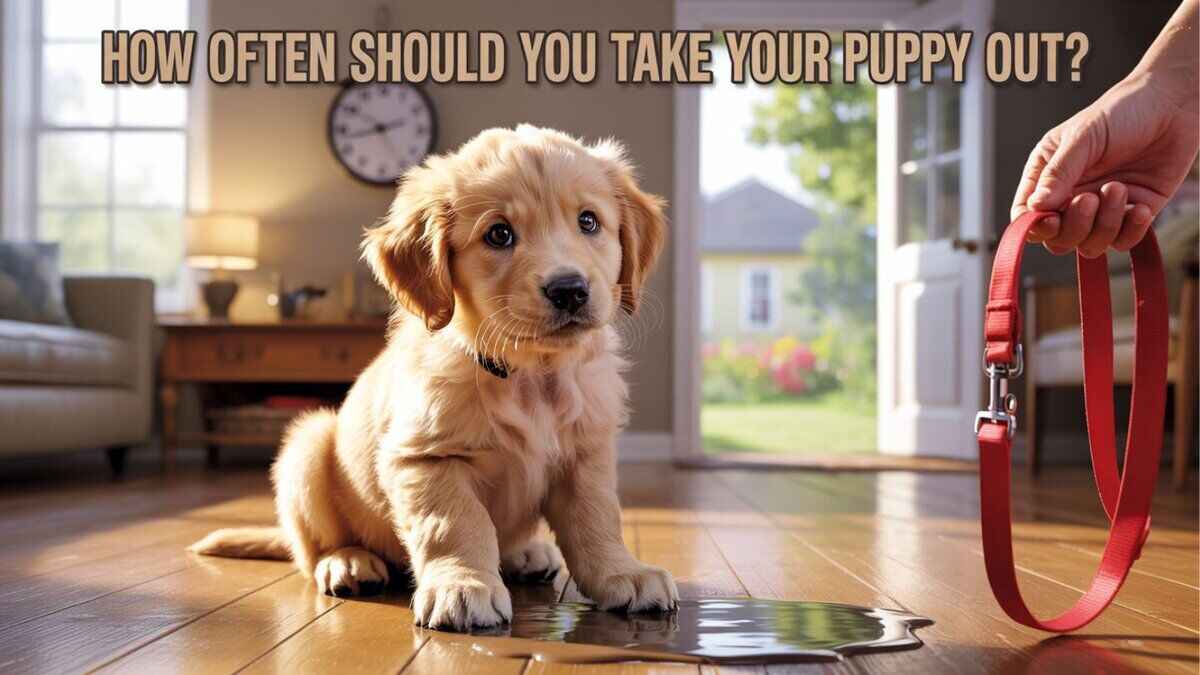
How Often Should You Take a Puppy Out to Pee
Bringing a new puppy into your home is an exciting experience, but it also comes with the important responsibility of potty training. One of the most common questions new pet parents ask is, “How frequently should you take a puppy out to pee?” Understanding your puppy’s bathroom needs and establishing a consistent potty routine are essential steps to prevent accidents and promote good habits. In this blog, we’ll walk you through age-specific advice, how to recognize when your puppy needs to go, and tips for successful potty training. With patience and consistency, you can help your puppy become fully potty-trained and comfortable in their new home.
Key Takeaways
- Puppies need frequent potty breaks: generally every 1-2 hours for young pups, and up to 1 hour for each month of age.
- Establishing a consistent potty routine, including timing and location, helps reinforce learning and minimize accidents.
- Recognizing signs that your puppy needs to pee, like pacing or whining, is crucial for preventing accidents and supporting successful training.
Understanding Your Puppy’s Bladder Control
Bladder control in puppies is a fascinating yet crucial aspect of potty training. A puppy’s ability to control their urination generally depends on their age and the development of their bladder. As they grow, their bladder control progressively increases, allowing them to hold their urine for longer intervals between potty breaks. Typically, a puppy can hold its urine for approximately one hour for each month of age. For instance, a two-month-old puppy will need a potty break every two hours, while a four-month-old can manage four-hour intervals.
In the first week at home, frequent bathroom trips help your puppy acclimate and establish an initial potty routine. At around two months old, taking them out every 2-3 hours prevents accidents and reinforces good habits.
Recognizing these developmental stages helps set realistic expectations and fosters patience with your pup’s progress. Younger puppies have smaller bladders and require more frequent breaks, forming the foundation for successful potty training.
Frequency of Potty Breaks for Young Puppies

Young puppies typically need to go out for potty breaks every 1-2 hours. This frequent urination is due to their developing bladders, which cannot hold urine for long periods. Puppies under six months usually require these frequent bathroom breaks, while older puppies can hold their bladder for longer intervals. Puppies pee often during these times.
Taking your puppy out immediately after meals or playtime often stimulates the need to potty throughout the day. Regular intervals help establish good habits and reduce frequent accidents.
As your puppy matures, their ability to hold their bladder increases, allowing for longer intervals between potty breaks. However, maintaining a regular potty schedule is crucial for reinforcing their learning and ensuring they become fully potty trained over time. The key is to stay consistent and patient, understanding that each puppy learns at their own pace.
Establishing a Consistent Potty Routine
A consistent routine speeds up potty training by:
- Reinforcing learning and minimizing accidents through a regular schedule.
- Maintaining consistency in timing and location, such as taking your puppy out after meals, playtime, and naps.
- Using specific cues, like a word or phrase, to signal to your puppy that it’s bathroom time aids in quicker learning.
Using the same spot for potty breaks helps your puppy associate that area with bathroom time. Close supervision indoors prevents accidents during the learning phase. Stand still and quietly watch your puppy for up to five minutes to help them focus on the task.
The more correct potty attempts there are, the faster your puppy learns the potty routine. Praise or treats can help puppies learn consistency in potty training. A well-established routine will set your puppy on the path to being fully potty trained.
Recognizing Signs Your Puppy Needs to Pee
Recognizing when your puppy needs to pee prevents accidents and ensures timely breaks. Common signs include pacing, whining, circling, sniffing, and moving towards the door. Specific behaviors like wandering into another room, becoming distracted, peeing, circling, and less engagement in activities often indicate that a puppy is ready to eliminate.
Immediately take your puppy to their designated potty spot when you see these signals. Being observant and responsive reinforces the routine and supports successful training.
Nighttime Potty Breaks
Nighttime potty breaks are typical, especially in the first few months. Puppies usually need at least one nighttime trip to prevent accidents. To minimize this, consider removing food and water a couple of hours before bedtime.
A consistent bedtime routine helps puppies understand when to wake, sleep, and when to relieve themselves, following a general rule as a normal part of their development. Regular night toilet breaks prevent bad bathroom habits, ensuring they are comfortable in their bed, while waking at the right times supports their overall routine and helps to house train them.
With time and growth, your puppy will be able to hold their bladder longer overnight, reducing the need for frequent nighttime breaks.
The Role of Feeding Schedules in Potty Training
Consistent meal times ease the house training process. Key points to follow include:
- Puppies usually need to urinate 15-20 minutes after eating.
- A feeding routine helps time potty breaks and reduces indoor accidents.
- Taking food away after 10-15 minutes encourages dogs to eat promptly and establishes a routine.
Using a crate during feeding can link eating to potty training, reducing indoor accidents. This method helps puppies anticipate potty times, making training smoother and more predictable.
The Importance of Positive Reinforcement
Positive reinforcement is crucial in potty training. Treats, play, and praise encourage a puppy to use the appropriate area. Reward your puppy immediately after they eliminate in the designated spot to reinforce good behavior.
Consistent rewards help a dog learn and remember desired behaviors. Avoid confining the puppy immediately after they potty, as this can hinder reinforcement of good behavior.
Off-leash fun time after pottying can help teach a puppy that going to the bathroom leads to enjoyable activities. For owners seeking guided instruction and structured methods, online puppy classes can provide real-time feedback and support during early training stages, helping ensure consistency and confidence throughout the process.
Handling Potty Training Accidents
Potty training accidents are inevitable, but handling them effectively is crucial. Thoroughly cleaning past accidents eliminates odors that signal a restroom area. Use pet-specific cleaners like Nature’s Miracle or Skout’s Honor to clean accidents effectively.
When cleaning accidents outside the designated area, place soiled paper towels or rags in the appropriate spot. If you find a soiled area indoors, clean it up and move on without punishing the puppy. Patience and proper cleaning methods help minimize accidents and reinforce the routine.
Using Crate Training to Aid Potty Training
Crate training is valuable for potty training. It helps establish bladder control and provides a safe space. A young puppy should be crated for a few hours at most during the day to ensure comfort and avoid long periods alone. Upon release, immediately take them to their potty spot.
Positive reinforcement builds a trusting bond between dog and owner. Key aspects of successful crate training include:
- The crate acts as a den-like environment, encouraging puppies to hold their bladder until let out.
- Consistent crate training.
- Regular potty breaks.
- Positive reinforcement.
These elements significantly aid successful training.
Special Considerations for Different Breeds
Different breeds have varying potty break needs influenced by age, breed, size, and health. Larger breeds may have smaller bladder capacity than expected. Small breed puppies often struggle with holding it, presenting potty training challenges.
Understanding breed-specific needs is important for tailoring your potty training approach, especially for a pet parent. Consulting a veterinarian can offer insights into any medical issue affecting your puppy’s progress.
Each new puppy is unique, and most puppies’ potty training routines may vary depending on their individual requirements. Early socialization and foundational learning are crucial, as most experts agree that structured puppy training should start before 16 weeks to maximize behavioral development and long-term success.
How Long Does it Take to Fully Potty Train a Puppy?
Potty training a puppy typically takes 4-6 months. Some may learn in a week or two, while others take several months. A puppy should be fully trained by 9 months to 1 year.
Factors affecting the potty training timeline include the individual dog, breed, and training consistency. Regressions are common. Understanding these factors and staying patient ensures a successful outcome.
Final Thoughts on Puppy Potty Training
Understanding how often you should take a puppy out to pee is essential for establishing effective potty training habits. Regular, consistent potty breaks tailored to your puppy’s age and bladder control help prevent accidents and promote a smooth training process. With patience, observation, and a consistent routine, you can guide your puppy toward becoming fully potty trained, making life easier for both of you.
At Custom Canine Unlimited, we are dedicated to supporting pet parents through every stage of their puppy’s development. Our expert-led online puppy training course offers practical guidance and proven techniques to help you master potty training and many other important skills. Join us to give your puppy the best start possible and enjoy a happier, more harmonious relationship together.
Frequently Asked Questions
What is the fastest way to potty train a puppy?
The fastest way to potty train your puppy is to establish a consistent schedule for outdoor trips and reward them with treats and praise for going in the right spot. Keeping a close eye on them and supervising their movements will help prevent accidents and reinforce good habits.
How often should I take my puppy out to pee?
You should take your puppy out to pee every 1-2 hours, especially when they’re young. As they grow, they’ll be able to hold it for longer periods.
What are common signs that my puppy needs to go potty?
If your puppy is pacing, whining, circling, sniffing, or heading towards the door, it’s a clear sign they need to go potty. Keep an eye out for these behaviors to avoid any accidents!
How can I minimize nighttime potty breaks?
To minimize nighttime potty breaks, try removing food and water a few hours before bed and establishing a consistent bedtime routine. This simple adjustment can help you enjoy a more restful night.
How long does it take to fully potty train a puppy?
Most puppies take about 4 to 6 months to be fully potty trained, but don’t worry if it takes a bit longer; every pup is different!
Share this article

Written by : AJ Vargas
AJ Vargas is a highly skilled Canine Trainer at Custom Canine Unlimited, bringing extensive hands-on experience in law enforcement, working dogs, and specialized K9 operations. With a deep commitment to public safety and canine performance optimization, AJ has trained and deployed working dogs in high-stakes environments, supporting law enforcement agencies and security teams across the country. His expertise spans obedience, detection, patrol work, and real-world deployment readiness, ensuring both dogs and handlers achieve operational excellence. At Custom Canine Unlimited, AJ continues to advance canine training standards, helping shape top-tier K9 teams that deliver measurable results in the field.
Follow us
A quick overview of the topics covered in this article.


