

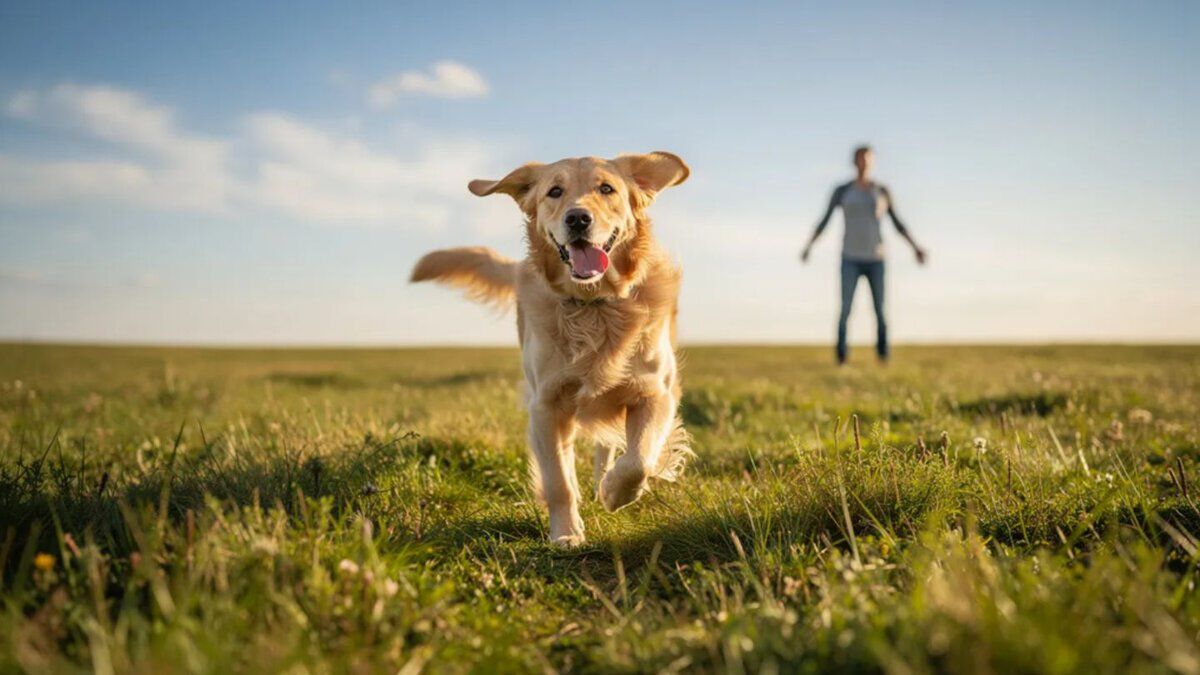
Can Recall Training Unlock Your Dog’s Best Life?
Recall training is one of the most powerful skills you can teach your dog, shaping not only their behavior but also their overall quality of life. A dependable recall, coming when called, goes far beyond basic obedience; it creates a foundation of safety, freedom, and trust. Whether you’re navigating busy neighborhoods, exploring open trails, or simply managing daily routines at home, a strong recall ensures your dog stays responsive in real-world situations. In this blog, we’ll explore how recall training enhances safety, reduces unwanted behaviors, and strengthens the bond between you and your dog for a more confident, fulfilling life together.
Key Takeaways
- A reliable recall (coming when called) is one of the most important skills your dog can learn; it’s a lifesaving behavior that opens the door to safer off-leash freedom and richer daily adventures.
- Recall training helps reduce problem behaviors like bolting toward a busy street, chasing wildlife, or ignoring you around other dogs.
- Practicing recall boosts your pup’s physical exercise and mental engagement, supporting long-term health and well-being.
- Structured training builds clear communication and confidence for both you and your dog, whether you have a family pet or a working dog.
Why Reliable Recall Matters for Your Dog’s Best Life
Picture this: It’s a crisp morning in March 2026, and your dog spots something across the road. They bolt toward a busy street, but before your heart can sink, you give your recall command. Your dog stops, turns, and races back to you. Crisis averted.
That’s not a party trick. It’s a critical safety behavior that can prevent traffic accidents, confrontations with wildlife, or tense moments with other dogs. Studies on positive reinforcement methods show dogs trained with rewards demonstrate response times averaging just 1.24 seconds to initiate recall, fast enough to matter when it counts.
- A strong recall opens up a whole new world of freedom:
- Hiking off leash where legal, exploring large fields, and enjoying beach trips without constant leash tension
- Peace of mind knowing your dog will respond even around joggers, cyclists, or sudden noises
- The ability to let your pup be a dog, sniffing, running, and exploring safely
This matters equally for family pets enjoying weekend adventures and for working dog owners who need immediate responses in demanding environments.
How Recall Training Transforms Daily Life
Think about your daily routine: morning walks, evening park visits, weekend trips to new places. A dependable recall cue turns all of these into more relaxed, enjoyable experiences.
At home, recall helps you safely manage those heart-stopping moments:
| Common Challenge | How Recall Helps |
| Door dashing | Call your dog back before they reach the street. |
| Garden escapes | Interrupt the bolt and redirect to safety. |
| Gate mishaps | Keep your dog safe even when things go wrong. |
There’s a world of difference between a dog on leash constantly pulling in crowded areas versus a dog that can enjoy a long line or legal off-leash time because their recall is solid. When your dog learns that checking in with you is part of the fun, you’re giving them a job that channels high energy and focus productively.
Even in busy urban environments, parking lots, apartment courtyards, and city parks, a trained recall makes outings less stressful for everyone involved.
Reduced Behavioral Issues Through Recall
Let’s be clear: teaching recall doesn’t replace comprehensive behavior modification. Knowing why puppy training should start before 16 weeks can make a significant difference in how quickly your dog develops reliable recall, as early learning stages are critical for building strong habits, responsiveness, and confidence in new environments. But it’s a powerful tool for interrupting and redirecting unwanted behaviors before they escalate.
- Common behaviors recall can be interrupted in real life:
- Chasing bicycles or joggers
- Bolting after wildlife or neighborhood cats
- Ignoring you when greeting other dogs
- Pacing the fence line in agitation
When you can call your dog away from these situations, you create opportunities to reward calmer choices. Over time, this lowers frustration for both you and your pup.
Here’s a bonus: dogs that get more freedom to run legally and safely often show fewer destructive habits at home. Their energy gets properly managed outdoors instead of finding outlets through chewing furniture or excessive indoor restlessness.
For working dog owners, recall serves as a reset tool during training sessions. When a dog becomes overly focused on an object, person, or odor in the environment, a quick recall can redirect their attention without halting operations entirely.
Improved Physical Health and Enrichment

When your dog can safely explore off leash where rules allow, they get to move the way nature intended, trotting, sprinting, turning sharply, and navigating real terrain like forest trails or open fields.
- This kind of varied movement builds:
- Muscle tone from different gaits and speeds
- Joint stability from directional changes
- Coordination for navigating uneven ground
Exploring grass, soil, and wooded areas exposes your dog to a wider range of odors and textures, providing valuable mental stimulation that supports cognitive health. Free movement also helps maintain a healthy weight and supports long-term mobility as dogs age. You can even structure recall games into play; calling your pup back between short sprints or ball tosses creates efficient, fun workouts that exercise both body and mind.
Less Stress and a Stronger Dog–Handler Relationship
We’ve all been there: that sinking feeling when you call your dog and they completely ignore you. Constant worry about whether your dog will respond turns simple walks into stressful events. Many owners also explore modern tools and wonder whether Puppy training apps are worth it when seeking additional ways to stay consistent with recall practice and daily training routines.
Consistent practice with recall training changes this dynamic. Your dog learns exactly what the recall word means, and you learn how to reward and time things correctly. This clear communication builds trust on both ends.
- The benefits show up everywhere:
- Loading into the car becomes smoother
- Walking through parking lots feels manageable
- Passing other dogs on trails happens without drama
Using high-value treats, a favorite toy, or access to fun activities ensures that coming when called always feels worthwhile to your dog. Research shows that reward variability, sometimes a yummy treat, sometimes play, sometimes praise, keeps the behavior strong because your dog never knows exactly what awesome thing might happen when they return.
Even 5-10 minutes a day of focused practice often leads to a more responsive, engaged dog that starts checking in with you spontaneously. That’s the foundation of a stronger relationship.
Practical Steps to Build a Reliable Recall
No dog is perfect, but thoughtful training can make recall highly dependable in real-world situations. Early structure plays a major role in success, which is why many owners begin with learning the virtual training to build strong recall foundations from the start. Here’s how to build it:
- Start simple:
- Begin in a quiet area with minimal distractions, your own backyard, a hallway, or a fenced yard works great
- Choose a single, clear recall word (like “Here” or “Come”) and reserve it only for situations where you can ensure success
- Build value:
- Reward generously at first with tasty treats or a favorite toy
- Create a strong positive association so your dog learns that returning to you is always worth it
- Avoid using a different word for punishment or ending fun, as this creates a negative association
- Progress gradually:
- Add distance and mild distractions only when your dog succeeds 90-100% at easier levels
- Start with a person walking by or a toy on the ground before working up to distracting situations
- Use a long leash or long line in open areas for safety during the transition
- Keep it rewarding:
- Mix in recalls followed by a reward and a release back to play
- Avoid “poisoning” the cue by repeating it without follow-through
- Remember: if coming to you always ends the fun, your pup will stop paying attention to the cue
Recall Training for Working Dogs vs. Family Pets
The core principles of recall are the same whether you’re training a working dog or a family companion, but expectations and environments differ.
| Working Dog Owners | Family Pet Owners |
| Need recall to function around equipment, vehicles, and complex odors | Main challenges involve neighborhood wildlife, children playing, or park dogs |
| Require precision responses in high-stakes environments. | Focus on domestic distractions and everyday situations. |
| Integrate recall into regular task training. | Weave practice recalls into daily walks and play. |
Both groups should prioritize safety and follow leash laws. Use long lines in open areas and practice in secure spaces before attempting true off-leash work. Handlers working with high-drive dogs often focus on refining advanced control, especially when understanding how to extend their dog’s recall in complex, real-world environments. For handlers of high-drive working dogs, incorporating recall into regular task sessions makes coming when called as automatic as any other trained behavior. The goal for everyone? A dog that responds reliably, giving both you and your pup more freedom to enjoy life together.
Final Thoughts
Recall training is one of the most impactful skills you can teach your dog, influencing everything from daily safety to overall quality of life. A dependable recall helps prevent dangerous situations, reduces unwanted behaviors, and allows your dog to enjoy greater freedom while staying responsive in real-world environments. With consistent practice, clear communication, and positive reinforcement, recall becomes more than just a command; it becomes the foundation for trust, confidence, and a stronger bond between you and your dog.
For those looking to build or refine these skills, Custom Canine Unlimited offers expert-led dog training programs online alongside structured in-person options designed to support dogs at every stage. Programs such as immersive Board and Train provide consistent, real-world reinforcement, while flexible daily training helps maintain progress within busy routines. Foundational development through puppy class sets the stage for reliable recall early on, and personalized one-on-one dog training allows for targeted improvement based on individual behavior and goals. Together, these structured approaches help create confident, responsive dogs prepared for real-life situations.
Frequently Answers Question
How long does it usually take to build a reliable recall?
Timelines vary by dog and handler, but with daily 5-10 minute sessions, many dogs show clear improvement within a few weeks. Achieving excellent recall in busy, outdoor environments often takes several months of consistent practice and gradual progression. The key is gradually increasing difficulty only when your dog is succeeding at current levels.
Can older dogs still learn to come when called?
Absolutely! Dogs of any age can improve their recall, including seniors adopted in 2024 or 2025 with little prior training. Use especially high-value rewards and keep sessions short and low-impact. An older dog’s life can still expand dramatically with improved recall; they just need a few steps at a time and patience.
What if my dog only comes when I have food or a toy?
It’s normal to start with visible rewards while your dog learns what the recall cue means. Over time, shift to sometimes holding treats hidden in your pocket, sometimes using access to activities (like continuing the walk) as payment. Randomly varying rewards, sometimes a treat, sometimes a fun game, sometimes praise, teaches your dog that coming when called always pays off in some way.
Share this article

Written by : AJ Vargas
AJ Vargas is a highly skilled Canine Trainer at Custom Canine Unlimited, bringing extensive hands-on experience in law enforcement, working dogs, and specialized K9 operations. With a deep commitment to public safety and canine performance optimization, AJ has trained and deployed working dogs in high-stakes environments, supporting law enforcement agencies and security teams across the country. His expertise spans obedience, detection, patrol work, and real-world deployment readiness, ensuring both dogs and handlers achieve operational excellence. At Custom Canine Unlimited, AJ continues to advance canine training standards, helping shape top-tier K9 teams that deliver measurable results in the field.
Follow us
A quick overview of the topics covered in this article.
- Key Takeaways
- Why Reliable Recall Matters for Your Dog’s Best Life
- How Recall Training Transforms Daily Life
- Reduced Behavioral Issues Through Recall
- Improved Physical Health and Enrichment
- Less Stress and a Stronger Dog–Handler Relationship
- Practical Steps to Build a Reliable Recall
- Recall Training for Working Dogs vs. Family Pets
- Final Thoughts
- Frequently Answers Question

