

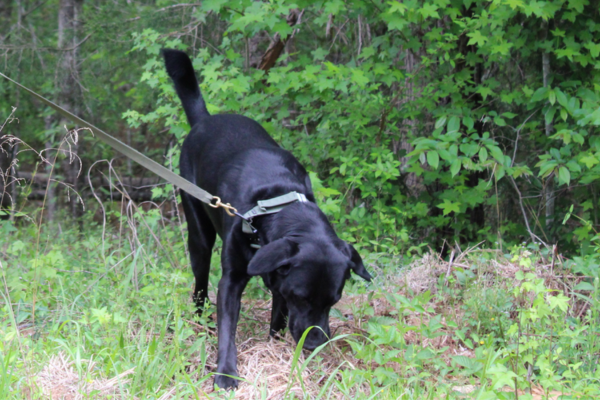
Search and Rescue K9s: Training, Handling, and More.
Search and Rescue K9s
When disaster strikes, whether it’s an earthquake, a missing person, or a natural calamity, the first responders we often think of are firefighters, police officers, and emergency medical teams. However, some of the most effective and dedicated responders are search and rescue K9s, along with their handlers. These canine heroes play a crucial role in locating and saving lives, demonstrating remarkable dedication and skill. But what goes into training these incredible animals, and how do their handlers manage the emotional challenges of such intense work? Let’s explore.
Selecting the Best of the Best
The training of search and rescue (SAR) K9s begins with a rigorous selection process. Not every dog is cut out for the demands of SAR work; it requires specific traits such as high energy, fearlessness, and an exceptional sense of smell. Breeds commonly chosen for this work include German Shepherds, Labrador Retrievers, and Belgian Malinois, but the individual personality and capabilities of the dog are paramount.
Potential K9s undergo thorough assessments to gauge their suitability for SAR tasks. Their drive, ability to focus, and willingness to work under pressure are all evaluated to ensure they can handle the rigors of training and actual missions.
Once selected, the dogs begin their training, which covers several key areas:
Obedience Training
This foundational stage includes teaching basic commands and gradually advancing to more complex off-leash control. On missions, it’s vital that K9s respond reliably to commands, ensuring both their safety and the mission’s success. Handlers spend countless hours reinforcing these commands, fostering a bond of trust and communication with their canine partners.
Scent Detection
Arguably the most critical skill for Search and Rescue K9s is scent detection. Dogs are trained to identify specific human scents and follow them across various terrains and conditions. The training involves exposure to different environments and scenarios, allowing the dogs to become adept at locating individuals in diverse settings, from dense forests to urban landscapes.
Endurance Training
SAR missions often require K9s to cover long distances over rugged landscapes. Regular endurance training ensures that these dogs maintain the physical stamina necessary to perform effectively. This aspect of training includes navigating obstacles and building the strength required to work for extended periods without fatigue.
Ongoing Training
SAR K9s and their handlers engage in regular and ongoing training sessions to maintain and enhance their skills. Continuous practice ensures that the dogs remain sharp and responsive, ready to tackle any challenge that arises during a mission.
Emotional Challenges for Handlers
While the K9s are undoubtedly remarkable, the handlers who guide them face significant emotional challenges:
Pressure and Responsibility
Handlers bear immense responsibility, leading search teams and ensuring the safety and effectiveness of their K9s. The pressure to find missing persons can be overwhelming, knowing that lives are potentially at stake. Balancing this responsibility with the need to protect their canine partner is an emotional tightrope.
Coping with Unsuccessful Missions
Not every mission ends in success, and the emotional toll of unsuccessful searches can weigh heavily on handlers. The desire to provide closure for families and communities can lead to feelings of guilt and frustration when missions do not yield positive results.
Strain of Long Hours
SAR work often demands long hours and unpredictable schedules, impacting personal relationships and the handler’s mental and physical health. The commitment required can strain friendships and family ties, adding another layer of stress to an already demanding role.
Strategies for Coping
To manage these challenges, handlers benefit from regular evaluation and retraining sessions involving both themselves and their K9s. These sessions help maintain focus and confidence, providing a sense of achievement and purpose. Support networks among fellow handlers and mental health resources are also crucial in alleviating the emotional burden of their work.
Conclusion
The world of search and rescue is complex and demanding, yet the bond between SAR K9s and their handlers is unparalleled. These teams demonstrate unwavering dedication and courage, often under challenging circumstances, to save lives and bring hope to those in need. Understanding the training process and the emotional challenges faced by handlers highlights the incredible commitment required to be effective in this field.
For anyone interested in supporting or learning more about search and rescue efforts, consider reaching out to local SAR organizations or participating in community events that raise awareness of these vital services. Your interest and support can make a difference in the lives of both the handlers and the K9s who work tirelessly to keep us safe.
Share this article

Written by : Mia Simpson
Follow us
A quick overview of the topics covered in this article.

