

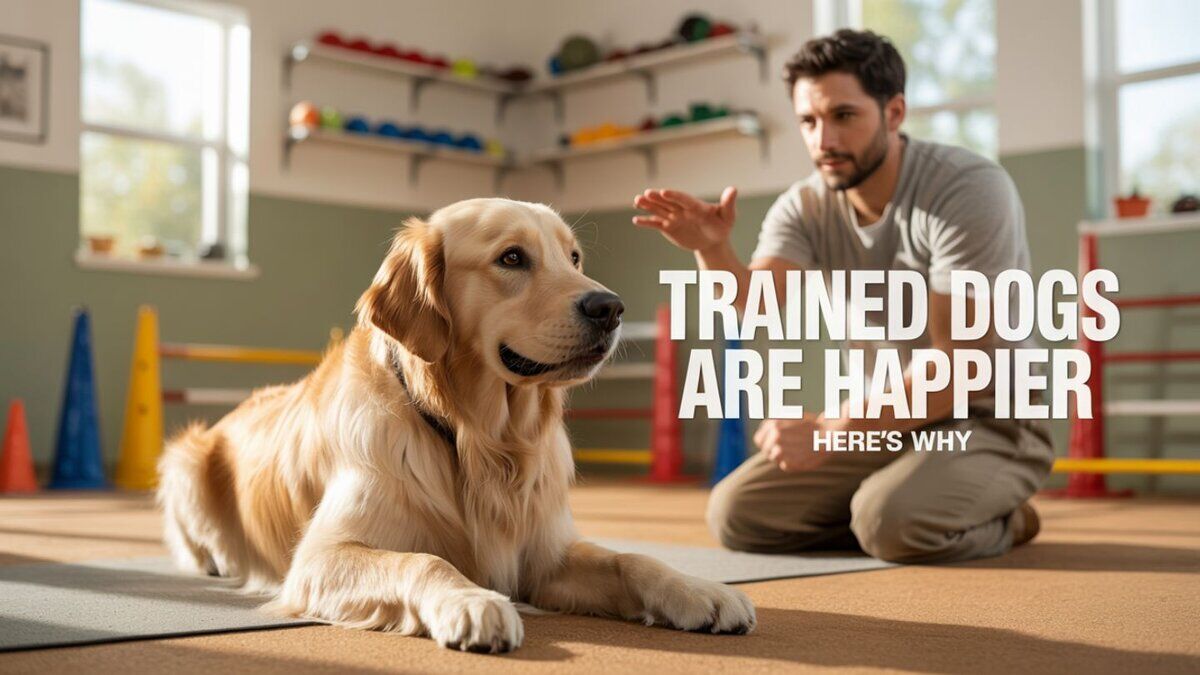
Are Dogs Happier If They Are Trained?
Training plays a vital role in shaping a dog’s happiness and overall well-being. More than just learning commands, training provides structure, mental stimulation, and a sense of purpose that help dogs feel secure and fulfilled. Through consistent, positive interactions, dogs develop trust, confidence, and a stronger connection with their owners.
In this blog, we explore how training enhances a dog’s mental and emotional health, strengthens the bond between dogs and their owners, and contributes to a happier, more balanced life. By understanding the many benefits of training, you can help your canine companion thrive both emotionally and behaviorally.
Key Takeaways
- Training builds a strong bond between dogs and their owners, fostering trust, confidence, and happiness.
- Mental stimulation through training helps prevent boredom and encourages good behavior in dogs.
- Effective training enhances safety and communication, leading to a more enjoyable life for both dogs and their owners.
The Connection Between Training and a Happy Dog
Training a dog extends beyond basic commands; it opens the door to a happier, healthier life for your furry friend. A well-trained dog integrates seamlessly into the family, benefiting from the structure and predictability of training routines. The communication and trust fostered during these sessions result in a more confident and content dog.
Mental stimulation significantly boosts a dog’s cognitive function and overall happiness. Ways to provide this include:
- Regular training routines that offer mental challenges to keep a dog’s mind sharp and prevent boredom, reducing the risk of destructive behaviors.
- Interactive play activities like tug-of-war.
Training helps dogs understand their place within the family, fostering a sense of security and belonging. This is crucial for a dog’s well-being, as it builds trust and reduces anxiety. Training establishes a foundation of mutual respect and understanding, resulting in a more harmonious relationship and increased happiness for both dog and owner.
Picture your dog happily wagging its tail, eagerly engaging in training exercises. The joy on their face reflects the strong bond between you and your canine companion. Regular training sessions enhance your dog’s behavior and significantly contribute to their overall well-being and happiness.
Understanding how often you should train your dog helps create a consistent schedule that keeps learning enjoyable without overwhelming your pup. A balanced routine leads to steady progress and a happier, more confident companion.
Strengthening the Bond with Your Canine Companion

Training reinforces the bond between dogs and their owners, fostering a more trusting and secure relationship. Engaging in training activities and puzzle games entertains your dog while deepening your connection. As dogs learn and understand commands, their sense of security and confidence grow, strengthening the bond further.
Consider the joy of participating in advanced training sessions and watching your dog master new skills. These activities reduce anxiety for both you and your dog, making outings and social interactions more enjoyable.
Investing time in training fosters a harmonious relationship, resulting in a happy dog and dog owner, while also allowing the owner to train their dog effectively, creating a positive association. Trained dogs contribute to a more fulfilling experience for both the dog and the owner.
Consistent dog obedience training truly is a gift that keeps on giving, improving behavior, building trust, and deepening the bond between you and your four-legged friend.
Mental Stimulation: Key to Preventing Boredom
Mental stimulation is crucial for dogs, keeping their minds sharp and preventing boredom. Training provides essential mental challenges that contribute to a dog’s overall well-being. Adequate mental engagement alleviates boredom and associated behavioral issues, ensuring a happier, healthier dog.
Engaging dogs in tasks that require critical thinking often tires them more effectively than physical exercises. Daily mental exercises can resolve many destructive behaviors and encourage healthy habits.
Mental challenges through training are essential for keeping well-trained dogs thriving, happy, sharp, and free from destructive behaviors, promoting mental health.
When you focus on communicating with your canine, you strengthen understanding and build trust. Clear, calm communication enhances learning and helps your dog feel more secure during every training interaction.
Safety and Control for a Stress-Free Life
Effective dog training improves safety and communication between the dog and its owner. Trained dogs often exhibit calmer behavior, making them easier to manage in various situations. Training ensures safety in different environments, contributing to a happier life for both dogs and their owners.
Training classes simulate real-life scenarios, helping dogs adapt to various environments and situations. This exposure reduces anxiety towards unfamiliar people and other dogs. Additionally, trained dogs are less likely to exhibit destructive behavior, contributing to a peaceful home environment.
Picture a dog that remains calm in stressful situations and follows commands during emergencies, such as “sit, stay.” Such control and clear communication significantly enhance your dog’s well-being and safety. Proper training allows dogs to interact safely with children and avoid dangerous encounters with other animals or people.
In addition to training, following simple health tips for K9s, such as proper exercise, diet, and care routines, can make a big difference in your dog’s happiness and longevity.
Social Benefits of Training
Training promotes positive interactions with other dogs and humans. Socialization is crucial for dogs to thrive in various settings, and proper training lays the foundation for these interactions. Training teaches dogs how to interact appropriately with people, animals, and environments, ensuring safety and positive experiences.
Group dog training fosters a sense of community for dog lovers and dog owners, offering opportunities to share tips and experiences. Daily walks and training sessions let dogs explore their environment, creating positive associations with their owners as social creatures.
Training builds skills and enhances improved communication, resulting in increased happiness and better communication and social interactions for your dog.
Building Confidence and Independence
Confidence in dogs helps them handle new experiences better, making them less anxious and more predictable. Training shapes behavior and builds increased confidence, promoting independence and boosting self-esteem. Training encourages dogs to make choices, enhancing their confidence and mutual understanding.
Engaging in enrichment activities like nose work can significantly boost a dog’s self-assurance. Learning and mastering complex tricks gives dogs a sense of achievement, further reinforcing their confidence. Consistency in training methods and communication is crucial for building confidence in dogs.
Some families choose fully trained companion dogs to experience the benefits of advanced obedience and emotional balance. These dogs bring calm confidence and seamless companionship into any home.
Addressing Unwanted Behaviors
Training is vital for addressing behavioral issues like excessive barking and separation anxiety. Effective training enhances daily interactions, making them more enjoyable and stress-free for both dogs and their owners. Dog training should be a continuous process integrated into daily routines to reinforce good habits and desired behavior.
Teaching commands and training allows owners to correct unwanted behaviors and promote good manners. Addressing behavioral issues through training ensures a well-behaved dog and good behavior in a peaceful home environment while learning commands.
Fun and Engagement Through Advanced Skills
Teaching dog tricks stimulates a dog’s brain and strengthens the bond with their owner. Regular training sessions for advanced skills provide mental and physical stimulation, enhancing the fun for both dogs and their owners. Owners often feel very happy when they successfully teach their dogs new tricks, leading to increased engagement and joy.
Training allows dogs to participate in a wider range of activities, keeping them engaged and happy. The key reasons for the variety of training exercises and the effective communication fostered through training build a stronger bond and prevent boredom.
Final Thoughts
Dog training is a key factor in ensuring your canine companion’s happiness, health, and overall well-being. As outlined in this blog, consistent training strengthens communication, builds trust, and provides valuable mental and physical stimulation. It also prevents unwanted behaviors, reduces anxiety, and encourages confidence, allowing dogs to lead more balanced and fulfilling lives alongside their owners.
At Custom Canine Unlimited, we take pride in being a trusted leader in dog training in North Georgia, Columbus, and even Florida. Our expert team offers specialized programs, including law enforcement K9 training and the obedience trainer course, designed to meet the needs of both professional handlers and pet owners. From advanced obedience to everyday essentials like nail clipping services, our complete approach ensures that every dog receives the highest standard of care and attention. With training facilities across multiple locations, we continue to help dogs and their handlers build lasting relationships founded on trust, respect, and confidence. Whether for working dogs or beloved family pets, our mission remains the same: to empower every dog to thrive through expert guidance, compassion, and proven training excellence.
Frequently Asked Questions
At what age should I start training my dog?
You can begin basic training as early as 8 weeks old. Puppies are quick learners, and early training helps establish good habits and communication from the start. For older dogs, it’s never too late; consistency and patience. However, dogs cannot start training at CCU until they are fully vaccinated, which is typically around 16–20 weeks of age. This ensures their safety and the safety of other dogs.
How long should a typical training session last?
Short, focused sessions work best, around 10 to 15 minutes for puppies and 20 to 30 minutes for adult dogs. Keeping sessions fun and rewarding ensures your dog stays engaged and eager to learn.
What type of rewards work best during training?
The type of rewards that work best depends on the individual dog and their ITP (Individual Training Plan). After an evaluation, we create a customized training plan based on that dog’s specific needs, motivations, and temperament. We identify what each dog responds to best; whether that’s treats, praise, toys, or other motivators; and incorporate those appropriately within their individualized plan.
How often should I train my dog each week?
Ideally, train your dog daily, even if it’s for just a few minutes. Consistency helps reinforce commands and keeps your dog mentally stimulated. Regular, brief sessions are more effective than long, infrequent ones.
Can professional training help with behavioral problems?
Yes, professional training can address a wide range of behavioral issues such as aggression, separation anxiety, or excessive barking. Expert trainers have the knowledge and tools to correct these behaviors safely and effectively.
Share this article

Written by : AJ Vargas
AJ Vargas is a highly skilled Canine Trainer at Custom Canine Unlimited, bringing extensive hands-on experience in law enforcement, working dogs, and specialized K9 operations. With a deep commitment to public safety and canine performance optimization, AJ has trained and deployed working dogs in high-stakes environments, supporting law enforcement agencies and security teams across the country. His expertise spans obedience, detection, patrol work, and real-world deployment readiness, ensuring both dogs and handlers achieve operational excellence. At Custom Canine Unlimited, AJ continues to advance canine training standards, helping shape top-tier K9 teams that deliver measurable results in the field.
Follow us
A quick overview of the topics covered in this article.


