

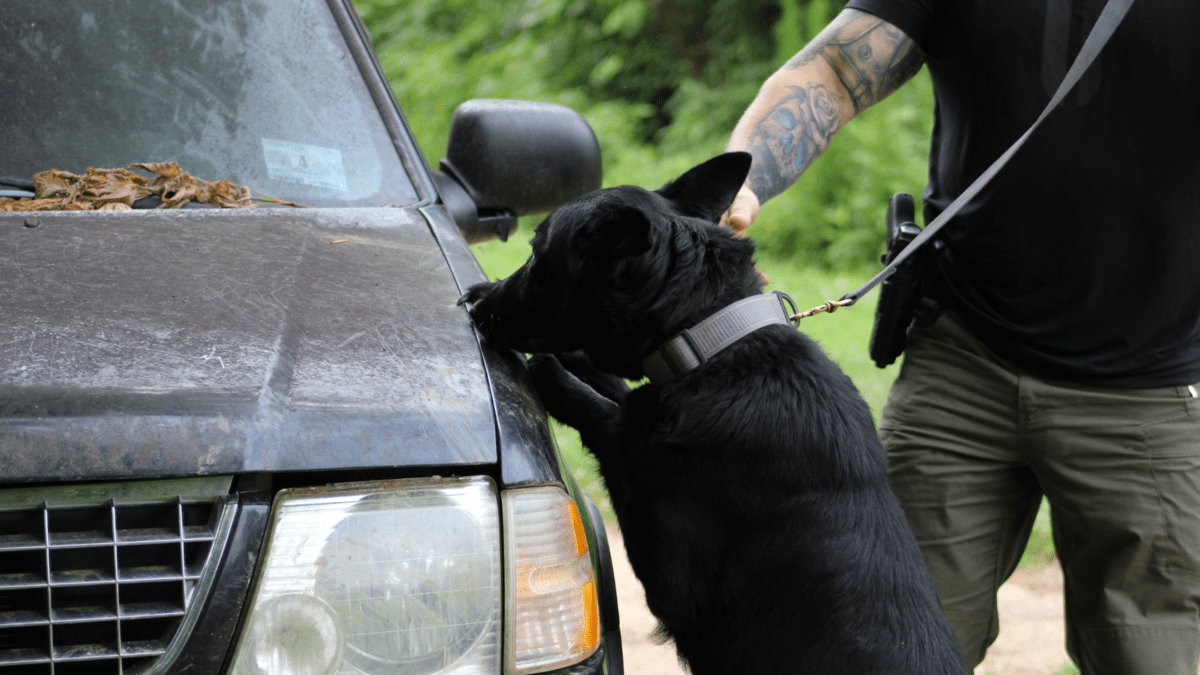
Canine Heat Safety Tips for Working Dog Handlers
Heat safety is a critical concern for K9 handlers.
These dogs are not pets; they are valuable partners in law enforcement and military operations. Ensuring their well-being in hot conditions is paramount. This guide covers essential tips to keep your canine companion cool and safe during high temperatures.
Signs of Heat Exhaustion in Dogs
Recognizing the early signs of heat exhaustion can make all the difference in preventing a serious situation. Symptoms to watch for include:
- Heavy Panting: Excessive panting is one of the first signs that your dog is overheating.
- Rapid Pulse: A noticeable increase in heart rate can indicate stress from heat.
- Weakness or Lethargy: If your dog appears unusually tired or weak, it may be experiencing heat exhaustion.
- Excessive Drooling: Increased salivation can also be a symptom.
- Vomiting or Diarrhea: These are more severe signs that require immediate attention.
Preventative Measures
Taking proactive steps can significantly reduce the risk of heat-related issues.
Follow CCU’s 10/15 Rule
CCU’s 10/15 Rule was created to ensure the safety of our canines, both working and pet, from the dangers of bloat. During heatwaves, it is even more crucial that you abide by the 10/15 rule to keep your canine safe from overdrinking and falling victim to bloat. Learn more about the 10/15 rule here.
Cooling Vests and Mats
Cooling vests and mats are excellent tools to help regulate your dog’s body temperature. These products are designed to absorb heat, providing a cooling effect during rest periods.
Seek Shaded Areas
Always look for shaded spots when taking breaks and during training. Direct sunlight can quickly elevate your dog’s body temperature, so keeping them out of the sun as much as possible is crucial.
Cooling Strategies
When the temperature rises, employ these strategies to keep your working dog cool:
Utilize Fans and Air Conditioning
Fans and air conditioning can be lifesavers, especially after intense activity. When possible, allow your dog to rest in a cool, air-conditioned environment.
Schedule Exercise Wisely
Avoid strenuous exercise during the hottest parts of the day. Early morning or late evening workouts are preferable when temperatures are lower.
The Dangers of Hot Vehicles
Never leave your dog in a hot vehicle, even for a short period. Temperatures inside a car can spike rapidly, leading to deadly conditions. Always ensure your dog has a cool, ventilated place to wait if you need to leave them unattended temporarily.
Recognize the Signs
By recognizing the signs of heat exhaustion, taking preventative measures, and employing effective cooling strategies, you can ensure your working dog remains healthy and effective in their duties. Remember, a well-cared-for dog is a more efficient partner. Stay vigilant and keep your canine companion cool this summer.
For more tips on canine heat safety and other best practices for working dog handlers, feel free to reach out to our team of experts. Your dog’s well-being is our priority.
Share this article

Written by : Mia Simpson
Follow us
A quick overview of the topics covered in this article.

