

Decoy Training: The Ins and Outs
Decoy training is an essential aspect of developing working dogs, especially in the world of patrol K9 units.
This specialized form of training not only hones a dog’s skills but also strengthens the bond between handler and canine. As law enforcement agencies increasingly rely on these highly trained animals for patrol work, understanding decoying becomes crucial.
Imagine a scenario where your dog needs to apprehend a suspect or control a situation effectively. That’s where decoy training comes into play. It introduces controlled scenarios that mimic real-life challenges, allowing dogs to learn bite work effectively and respond instinctively.
Whether you’re a seasoned trainer or just curious about how this unique approach works, there’s much to explore in the realm of decoy training. Let’s dive deeper into its techniques, tips from Custom Canine Unlimited, and even some challenges you might face along the way.

What is Decoy Training?
Decoy training is a specialized method designed to prepare working dogs for real-world scenarios. It involves using a decoy—someone who simulates an adversarial role—to create controlled environments where dogs can practice their skills.
The primary goal is to teach the canine how to respond effectively under pressure. This includes various tasks like apprehending suspects or performing bite work training with precision and control.
During sessions, trainers use specific cues and situations that mimic actual patrol work. The dog learns not just to chase, but also to assess threats and make decisions quickly.
This type of training builds confidence in the canine while enhancing its instincts. Handlers gain insights into their dog’s capabilities, ensuring they are well-prepared for any situation on duty.
Decoy Training Techniques
When it comes to decoy training, variety is key. Decoys often use different techniques to keep working dogs engaged and sharp during their sessions. One effective method involves using a mix of agitation and control. This encourages the dog to focus on the target while learning how to manage its impulses.
Another technique worth noting is role-playing various scenarios. By simulating real-life situations, trainers can assess how well the dogs respond under pressure. It’s not just about bite work; understanding context enhances a dog’s ability in patrol work.
Additionally, incorporating toys or rewards can amplify motivation. Using specific signals or cues helps reinforce desired behaviors as well.
Consistency is crucial in these training exercises. Regular practice ensures that both the dog and decoy maintain high performance levels over time, ready for any situation that may arise during police K9 operations.
Tips for Decoy Training from Custom Canine Unlimited
When it comes to decoy training, Custom Canine Unlimited uses it decades of experience to offer invaluable insights.
Begin by establishing clear communication with your working dog. This bond is essential for effective training.
Use appropriate gear that protects you during bite work. A proper suit can make a significant difference in safety and comfort while engaging the dog.
Start slowly and build intensity gradually. Introducing distractions helps prepare dogs for real-life situations they might encounter during patrol work or police k9 operations.
Incorporate varied scenarios to keep the sessions exciting. Different environments will challenge your dog’s adaptability and problem-solving skills.
Always reward positive behavior. Reinforcing good actions encourages progress and strengthens the relationship between handler and canine partner.
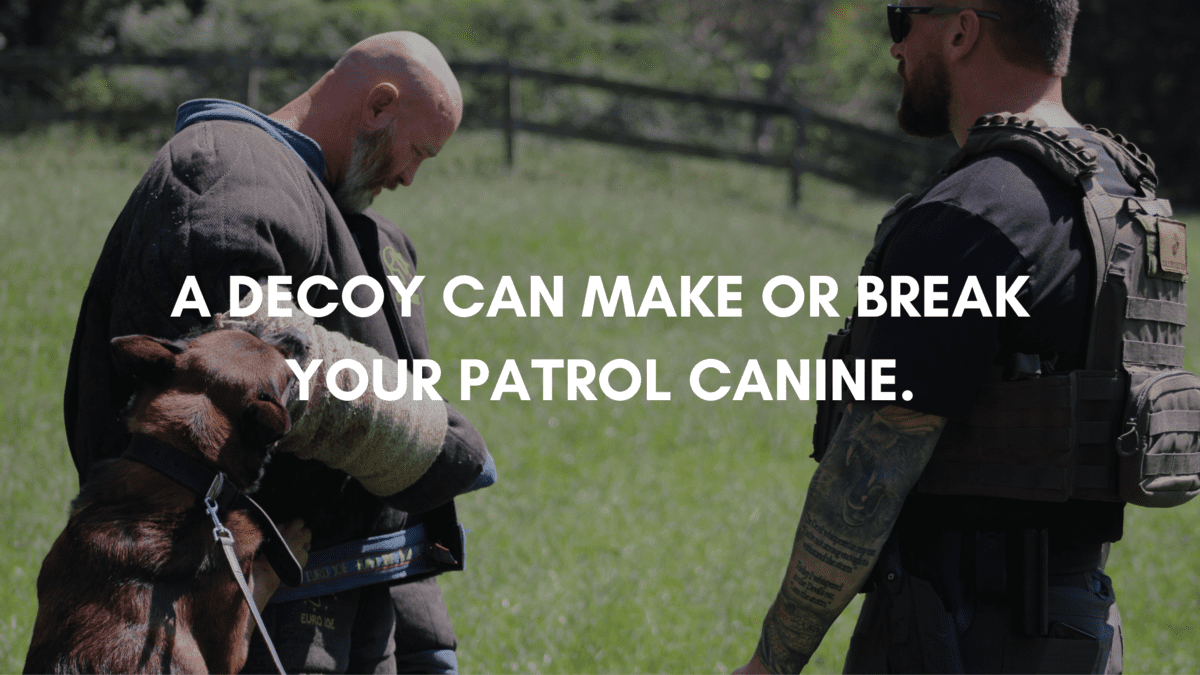
Remember: a decoy can make or break your patrol dog. Get the training you need to push your Unit to the next level.
Challenges and Risks Involved in Decoy Training
Decoy training, while beneficial, comes with its set of challenges and risks. One primary concern is the physical safety of the decoy. Working dogs are trained to bite and hold with intensity. This means a poorly executed session could lead to serious injuries.
Another risk involves miscommunication between trainers and handlers. A misunderstanding about commands or intentions can escalate quickly, causing confusion for both dog and decoy. Proper communication is crucial in these high-stakes situations.
Additionally, not all dogs respond predictably during training exercises. Their instincts may take over, leading them to behave differently than expected. This unpredictability can complicate training efforts and create unforeseen hazards.
Frequently Asked Questions about Decoy Training
Decoy training often raises numerous questions among enthusiasts and professionals alike. One common inquiry is about the suitability of decoying for different breeds of working dogs. While many breeds can excel, it’s essential to understand their temperament and drive. All canines at Custom Canine Unlimited undergo rigorous testing to ensure they are suitable for any work, but especially bite work.
Another frequent question pertains to safety during bite work. Proper protective gear is crucial to ensure the safety of both the decoy and the dog involved in training scenarios.
Many also wonder how long it typically takes for a dog to grasp the concepts learned through decoy training. The answer varies significantly based on individual learning curves, but consistency in practice yields better results over time.
Some ask about transitioning from basic obedience training to more advanced patrol work using decoys. It’s important to build a solid foundation before introducing complex scenarios involving real-life situations that Patrol K9s may face.
Conclusion
Decoy training plays a vital role in the development and effectiveness of patrol dogs, especially those involved in police K9 units. It’s an engaging method that not only hones their skills but also strengthens the bond between dog and handler. The techniques employed can vary widely, catering to different levels of experience and specific needs.
While decoying offers numerous benefits for bite work training, it is essential to remain mindful of potential challenges. Proper guidance from experienced trainers like Custom Canine Unlimited helps mitigate risks associated with this specialized training.
Whether you are starting your journey into decoy training or looking for advanced strategies, there is always something new to learn. As you progress, remember that patience and consistency are key components of success in developing strong working dogs ready for any task at hand.
Share this article

Written by : Mia Simpson
Follow us
A quick overview of the topics covered in this article.

