

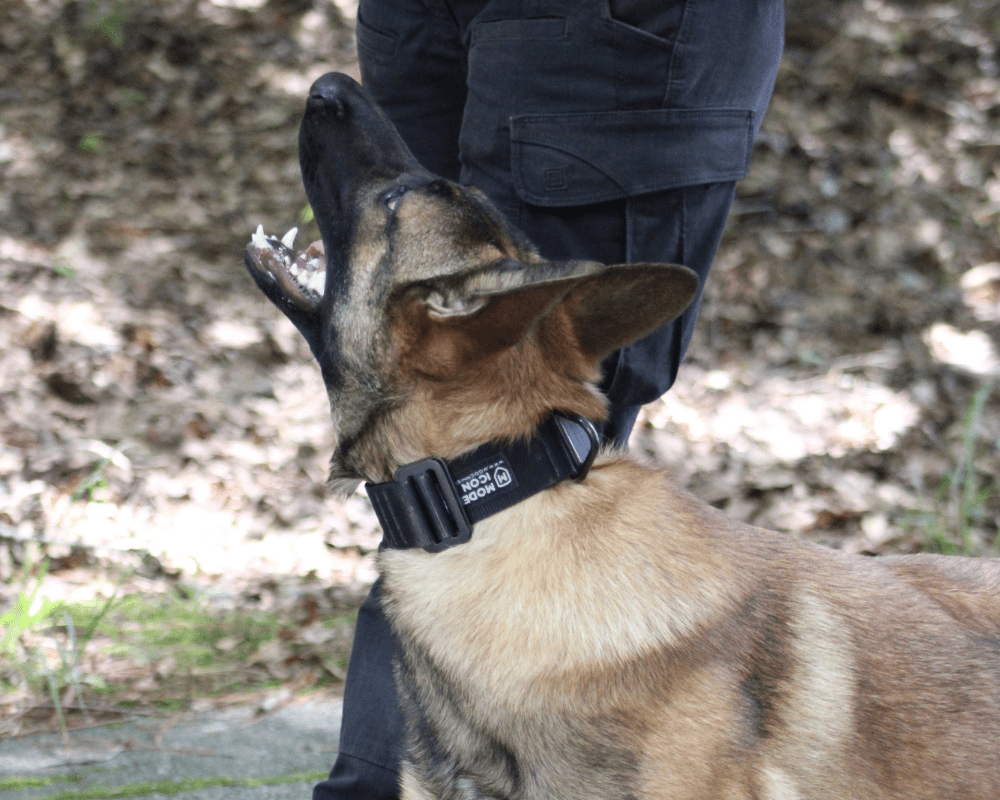
Dog Training Consistency: 4 Ways You’re Confusing Your Dog Without Realizing It
Consistency is the key to better behavior and better results.
Dog Training Consistency – the one thing that could fix 98% of your training problems.
You’ve spent time teaching your dog the basics. Sit. Down. Come. You know they know it—because they do it… sometimes. But the other times? Tough luck.
If obedience feels inconsistent, unreliable, or like a constant reset button, you’re not alone. And your dog isn’t being stubborn. They’re probably just confused.
Here’s the truth: Inconsistent training creates unclear expectations for your dog. When your dog doesn’t understand the rules, their behavior falls apart. It isn’t their fault; they can only do what they’ve been trained to do. If that training is inconsistent, then their response to training will be inconsistent. That’s exactly why our Unlimited Obedience Training Package focuses on building clarity and control that works both at home and in public.
Let’s break down the 4 most common ways pet owners confuse their dogs—and how to fix them for good.
1. You’re Changing the Rules Without Meaning To
If your dog is allowed to jump on you when you get home, but gets corrected for jumping on guests—that’s mixed messaging. In the same way that your boss sets clear guidelines and expectations for you, you should enforce the same rules for your dog. No matter who it is or where they are, the rules and boundaries should be the same.
Dogs don’t understand exceptions, they follow patterns. Read that again. If a behavior is allowed once, they assume it’s always allowed. This means rough playing with one member of the family equals rough playing with all members of the family. Jumping on the couch when it’s just you and your pup will become jumping on the couch when your in-laws are visiting. It is up to you as the owner or handler of the dog to enforce clear rules.
Fix it: Decide what behaviors are acceptable in all situations—and enforce them the same way every time. Consistency isn’t mean. It’s fair.
2. You’re Using Different Words for the Same Command
“Down. Lie down. Get down. No down.”
Dogs aren’t verbal processors like humans. They rely on repetition, clarity, and consistent associations. This one ties into Point One where we talked about the importance of consistency. This goes further than only applying rules 50% of the time and allowing free reign for the other 50%. If your dog listens well to a simple “sit” command, you should maintain that clarity for their sake. This is probably the most challenging for our pet owners to understand. I know first-hand how intelligent canines truly are, just take a look at our social media to see them work! However, it is our responsibility as dog owners and handlers to know how to put our dogs in the best position to succeed. When it comes to commands, that means clear communication. One command. One response. That’s how we train.
Fix it: Choose one word per command and stick to it. Everyone in the household should use the same language.
Pro Tip: Working dogs are trained with clear commands that never change—that’s part of why they respond so reliably (that and hours of continuous training… consistency!).
3. Your Timing Is Off
Dogs live in the moment. If praise or correction comes too late, they can’t connect it to the behavior you’re trying to reinforce or stop. One of the most common misconceptions I have seen is when it comes to potty-training. Owners think that scolding a dog five minutes after an accident is teaching the dog anything. The harsh truth? It isn’t. Now, you’re frustrated and your puppy is confused. Dogs have poor short term memory, meaning if it happened five minutes ago, they’ve already forgotten. In our Handler Courses, our students struggle with timing the most whether it’s for correction or praise. But, that’s also why we spend so time perfecting their timing. Never underestimate the impact a well-timed correction or praise can have.
Telling a dog “no” three seconds after they jump, or praising them long after a command, creates confusion—not clarity.
Fix it: Give your reward or correction within 1 second of the behavior.
This is exactly how working dogs are taught to respond under pressure. Timing = trust.
4. Other People Are Breaking the Rules
This is another tough one for our pet owners to understand. One of the fastest ways to undo progress is having household members send mixed signals. “I don’t let Fido on the couch.” “I let him on the couch when my husband is away.” And now, Fido is on the couch and there’s unrest in the household. It’s okay to have boundaries when it comes to owning a dog – after all, you are committed to them for 10-15 years. Wouldn’t it best if that was a happy 10-15 years? Going back to consistency, that means more than only you being the consistent one. If Fido is not allowed to jump on anyone, he shouldn’t be allowed to jump on you either. Dogs think in very “black & white” terms; there is no gray area for them.
If your spouse lets the dog on the couch but you don’t—guess who the dog listens to? Nobody. There are no clear boundaries, so Fido makes his own decisions.
Fix it: Get everyone in the house on the same page. Dogs thrive in structured environments where expectations don’t change based on the person in the room. Our Board and Train option is a great way to hit reset and get consistent behavior from day one—across the whole household.
Clarity Builds Confidence—and Better Behavior
If your dog isn’t responding the way you want, it doesn’t mean they’re a bad dog. It means they’re not sure what you want. The best thing you can do for your dog’s quality of life is invest in proper training. Imagine a home with clear, consistent boundaries and rules. That is a home that any dog can thrive in. When you introduce inconsistency and confusion into a house with a new (or old) dog, you are setting yourself and your dog up for failure.
Structure + consistency = confidence + obedience.
That’s how we train at Custom Canine Unlimited. We don’t just train dogs. We teach owners how to lead with clarity, timing, and confidence—whether it’s through our Private Dog Training Programs, group classes, or immersive board and train options.
✅ Ready for Obedience That Actually Sticks?
Book a behavior evaluation or explore our obedience programs today:
📅 [Schedule an Evaluation] 🔗 Unlimited Obedience Training Package
🔗 Private Dog Training Programs
Let’s get your dog back on track—and your communication dialed in.
❓ Frequently Asked Questions
Q: Why does my dog listen sometimes but not all the time?
A: Inconsistent handling is often the reason. If commands, corrections, or expectations vary, your dog doesn’t know what to follow. Consistency creates clarity—and clarity leads to obedience.
Q: Can dogs understand when different people train them differently?
A: Yes—and that’s the problem. If different people in the home enforce different rules, your dog will become confused and default to doing what they want. Unified structure is key.
Q: How long does it take to fix inconsistent behavior?
A: It depends on how long the pattern has been reinforced and how committed the household is to consistent follow-through. In many cases, our board and train or private sessions lead to clear progress within weeks.
Q: What’s the fastest way to reset my dog’s behavior?
A: A structured board and train program gives your dog a clean slate. They’ll be immersed in consistent, professional training—and you’ll learn how to maintain those results at home.
Q: Can you help even if I’ve already worked with another trainer?
A: Absolutely. We often work with clients who’ve had training before but didn’t see lasting results. Our focus on structure, timing, and clear communication sets a higher standard.
Share this article

Written by : Mia Simpson
Follow us
A quick overview of the topics covered in this article.

