

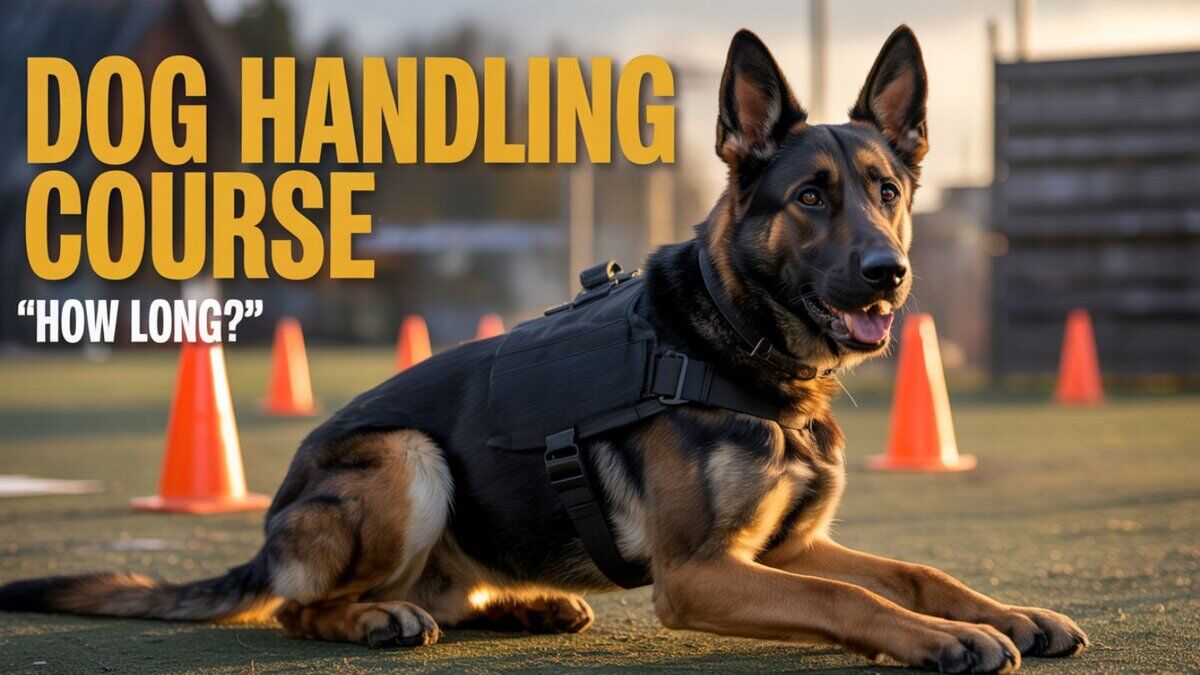
How Long Is A Dog Handling Course
Choosing the right dog handling course is a strategic decision that impacts how effectively you and your dog work as a team. Whether you are a first-time handler seeking basic obedience training or preparing for advanced K9 roles, understanding course length is critical for planning time, resources, and training goals. The duration can vary widely, from a few weeks for foundational skills to a year or more for advanced or specialized programs such as detection, patrol, or search and rescue. This comprehensive blog outlines the key factors that determine how long a dog handling course takes, helping you align expectations with your dog’s learning needs and your professional objectives.
Key Takeaways
- Dog handling courses vary in duration based on course type, dog age and temperament, and handler experience, ranging from a few weeks for basic training to 12-18 months for advanced courses.
- Basic obedience training typically lasts 4 to 6 weeks, focusing on foundational commands, while advanced and specialized courses require a more significant time investment to cover complex skills and specific tasks.
- Completing dog handling courses enhances the bond between handlers and dogs, improving communication and teamwork, and equipping handlers with ethical considerations in dog management.
Understanding Dog Handling Courses
Dog handling courses are designed to equip handlers with the skills needed to effectively train and manage their dogs. These courses often focus on:
- Teaching handlers proper behavior, task performance, and communication techniques to ensure a harmonious relationship between the handler and the dog.
- Understanding canine needs is paramount.
- Lessons on dog behavior analysis, enabling trainers to better comprehend and meet their dogs’ requirements.
A significant aspect of these courses is learning to motivate dogs using reinforcement strategies tailored to individual animals. This personalized approach ensures that each dog receives the encouragement it needs to thrive in its training environment. Specific training methodologies are also taught, allowing handlers to adapt their techniques according to different breeds and situations, ensuring that the training is as effective as possible.
Creating a positive emotional environment is crucial for successful dog training. Creating a supportive atmosphere significantly enhances dogs’ learning experiences. Classroom instruction in K9 training often covers various topics, including canine learning theory, operant conditioning, positive reinforcement, and odor theory, all of which contribute to a well-rounded education for both handler and dog. Flexible online courses for K9 work allow handlers to gain professional skills and certifications while managing busy schedules, making this education accessible even with demanding routines.
Factors Influencing Course Duration
The duration of dog handling courses can vary significantly, influenced by many factors. These include the type of course, the dog’s age and temperament, and the handler’s experience level. Understanding these factors can help you better predict how long a particular course might take and set realistic expectations for the training process.
Course Type
Dog handling courses come in various types, each with its own duration and focus. Basic obedience training is essential for teaching foundational commands like “sit” and “stay,” ensuring that dogs can follow basic commands reliably. These courses are generally shorter and focus on essential skills and compliance, often lasting a few weeks to a few months.
In contrast, advanced and specialized training courses delve into more complex behaviors and skills. The journey to becoming a K9 handler involves mastering foundational obedience, advanced field operations, and real-world scenario training, which naturally extends the time commitment. Specialized courses, such as detection, tracking, or patrol work, focus on specific skills tailored to particular working environments and can range from a few weeks to several months.
Dog’s Age and Temperament
A dog’s age and temperament are crucial factors in determining the duration of their training. Regarding puppies:
- They are often more receptive to training.
- They can start learning basic obedience commands as early as 7 to 8 weeks old.
- Their curiosity and motivation help them learn faster.
- Their shorter attention spans necessitate shorter, more frequent training sessions.
On the other hand, older dogs might require longer training periods, particularly if they have developed certain breed’s behavior problems or if they are of breeds known for stubbornness. The temperament of the dog also plays a significant role; more aggressive or anxious dogs might need extended training to address specific issues and build the dog’s confidence. As most dogs learn, their behavior can improve significantly.
Handler’s Experience Level
The experience level of the handler can greatly influence the efficiency and duration of dog training. Experienced handlers often:
- Conduct training sessions more frequently, leading to quicker progress and shorter overall training times.
- Are familiar with various training methods.
- Have the ability to read and respond to a dog’s behavior effectively, contributing to more efficient training sessions.
A new handler, on the other hand, might require more time to achieve the same results. The frequency and quality of training sessions can vary, and inexperienced handlers may need additional support and guidance to ensure they are using the most effective techniques.
Thus, the handler’s prior experience plays a crucial role in determining how long a dog handling course will take.
Basic Obedience Training Course Length

Basic obedience training courses are typically the starting point for most dog owners and handlers. These courses generally last between 4 and 6 weeks, focusing on teaching dogs basic obedience commands such as “sit,” “stay,” “come,” and “heel.” For adult dogs, the duration can extend from 6 weeks to 3 months, depending on the dog’s prior training and responsiveness.
The regularity and frequency of training sessions play a significant role in the training duration. Dogs that undergo more frequent, consistent training sessions tend to learn and retain commands faster. Experienced trainers can often accelerate the training process, ensuring that the dog grasps the basic obedience exercises more quickly and effectively.
Advanced Dog Handling Courses
Advanced dog handling courses build on the foundations laid by basic obedience training and introduce more complex behaviors and skills. These courses typically require a commitment of 12 to 18 months, reflecting the advanced nature of the training involved. A key focus in these courses is on-leash obedience training, ensuring that dogs respond reliably to commands even in the absence of a leash.
Advanced training also includes:
- Teaching dogs to perform multiple actions in sequence from a single command
- Impulse control exercises
- Gradually transitioning from quiet training environments to more challenging outdoor settings with various distractions
- Teach dogs to adapt to various situations using clicker training
The longer duration and increased complexity of these courses provide handlers and dogs with the skills needed for more specialized and demanding tasks.
Specialized Dog Handling Courses
Specialized dog handling courses are designed to train both the handler and the dog in specific skills required for particular working environments. These courses often include tracks in detection, tracking, and patrol work, each with its own unique focus and duration.
Knowing what you should know before accepting a K9 handler position helps clarify daily responsibilities, physical demands, and long-term career growth, which is critical before committing to the intensive work required in detection, patrol, or search and rescue programs.
Detection Dog Handler Training
Detection dog handler training typically lasts around three weeks and covers a range of critical skills. Key components of the training include:
- Record keeping
- Report writing
- Scent theory
- Basic and advanced detection techniques
- Interdiction methods
- Canine case law
These elements are crucial for preparing handlers and their dogs for real-world detection tasks, ensuring the proper use of their skills so they can operate effectively and legally in various environments.
The training focuses on building the dog’s confidence and precision in detecting specific scents, which is essential for tasks such as explosive or narcotic detection. By the end of the course, both the handler and the dog should be proficient in their roles, forming a cohesive team capable of performing specialized detection training work.
Patrol Dog Handler Training
The Patrol Dog Handler Course is a comprehensive six-week program designed to prepare dogs for road-ready duties. The training encompasses critical skills such as controlled aggression, bite work, and K9 courtroom survival. These skills are essential for ensuring that the dog can perform its duties effectively while maintaining the highest standards of canine safety and handler control.
During the course, handlers learn to manage their dogs’ aggression and train them to respond appropriately in high-pressure situations. The training also covers legal considerations and procedures to ensure that both the handler and the dog operate within the bounds of the law.
Search and Rescue Dog Handler Training
Search and rescue dog handler training focuses on developing effective search patterns and problem-solving techniques in varied environments. The course emphasizes the importance of utilizing different search patterns to locate individuals in diverse settings, from urban areas to wilderness. This training is crucial for ensuring that the dog can efficiently and accurately detect and locate individuals in need of rescue.
In addition to search techniques, the training covers problem-solving strategies and tracking in diverse environments, including building search. Handlers learn to adapt their methods to different scenarios, ensuring that they and their dogs are well-prepared for any search and rescue mission.
Benefits of Completing a Dog Handling Course
Completing a dog handling course offers numerous benefits, significantly enhancing the bond between a handler and their dog. These courses foster better communication and teamwork, ensuring that both the handler and the dog can work together effectively.
Moreover, these courses cover ethical considerations and responsibilities involved in dog training, ensuring that handlers are well-prepared to manage their dogs in various situations. The improved bond and communication resulting from these courses lead to a more harmonious and efficient working relationship between the handler and the dog trainer.
Choosing the Right Course
Choosing where to enroll in a K9 handler program can shape the quality of instruction and the depth of hands-on experience a handler receives, so evaluating different programs and observing classes in action can make a meaningful difference:
- Your dog’s specific needs and your objectives.
- Research various trainers to find one whose training methods and philosophy align with your preferences.
- Ask potential trainers about their credentials and experience to ensure they have the expertise to meet your needs.
When choosing dog training, consider the following:
- Decide whether you prefer group classes for socialization or private sessions for more focused training.
- Observe a class in action to gain insight into the training environment and whether it will engage both you and your dog effectively.
- Seek recommendations from other dog owners or directories of certified trainers to find qualified options.
Understanding the distinctions between K9 handlers and K9 trainers is essential for selecting the career path that matches personal strengths and goals, ensuring that the training aligns with your long-term professional vision.
Final Thoughts
Dog handling courses are an invaluable investment that strengthens the bond between handlers and their dogs. This guide explained how course length varies, from short basic obedience programs to year-long advanced or specialized tracks, based on factors like course type, the dog’s age and temperament, and the handler’s experience. Understanding these elements helps you plan effectively and set realistic expectations for achieving lasting training success.
Custom Canine Unlimited provides a comprehensive K9 handler course designed to meet a wide range of training goals, from foundational obedience to advanced detection and patrol work. With nearly 20 years of experience, the company delivers expert instruction, proven methodologies, and ongoing support, ensuring both canine safety and handler proficiency. Our tailored programs make it easy to choose the right path for building a skilled, confident, and capable canine partner.
Frequently Asked Questions
Do police dog handlers get paid more?
Police dog handlers typically earn more than the average salary of regular police officers, which is around $51,246 per year, due to their additional responsibilities and the inherent dangers of the role. This increase in pay can also depend on factors such as education, training, and certifications.
How long do basic obedience training courses typically last?
Basic obedience training courses typically last between 4 and 6 weeks, although for adult dogs, the duration may extend from 6 weeks to 3 months based on their previous training and responsiveness.
What factors influence the duration of dog handling courses?
The duration of dog handling courses is primarily influenced by the type of course offered, the dog’s age and temperament, as well as the handler’s level of experience. These factors combine to determine the overall length and intensity of the training program.
What is the typical duration for advanced dog handling courses?
Advanced dog handling courses typically require a commitment of 12 to 18 months due to the complexity of the training involved. This duration allows handlers to develop the necessary skills and knowledge effectively.
How does the handler’s experience level impact training duration?
The handler’s experience level significantly impacts training duration, as experienced handlers typically conduct more frequent and effective training sessions, resulting in quicker progress. Consequently, the overall training times are shorter.
Share this article

Written by : AJ Vargas
AJ Vargas is a highly skilled Canine Trainer at Custom Canine Unlimited, bringing extensive hands-on experience in law enforcement, working dogs, and specialized K9 operations. With a deep commitment to public safety and canine performance optimization, AJ has trained and deployed working dogs in high-stakes environments, supporting law enforcement agencies and security teams across the country. His expertise spans obedience, detection, patrol work, and real-world deployment readiness, ensuring both dogs and handlers achieve operational excellence. At Custom Canine Unlimited, AJ continues to advance canine training standards, helping shape top-tier K9 teams that deliver measurable results in the field.
Follow us
A quick overview of the topics covered in this article.

