

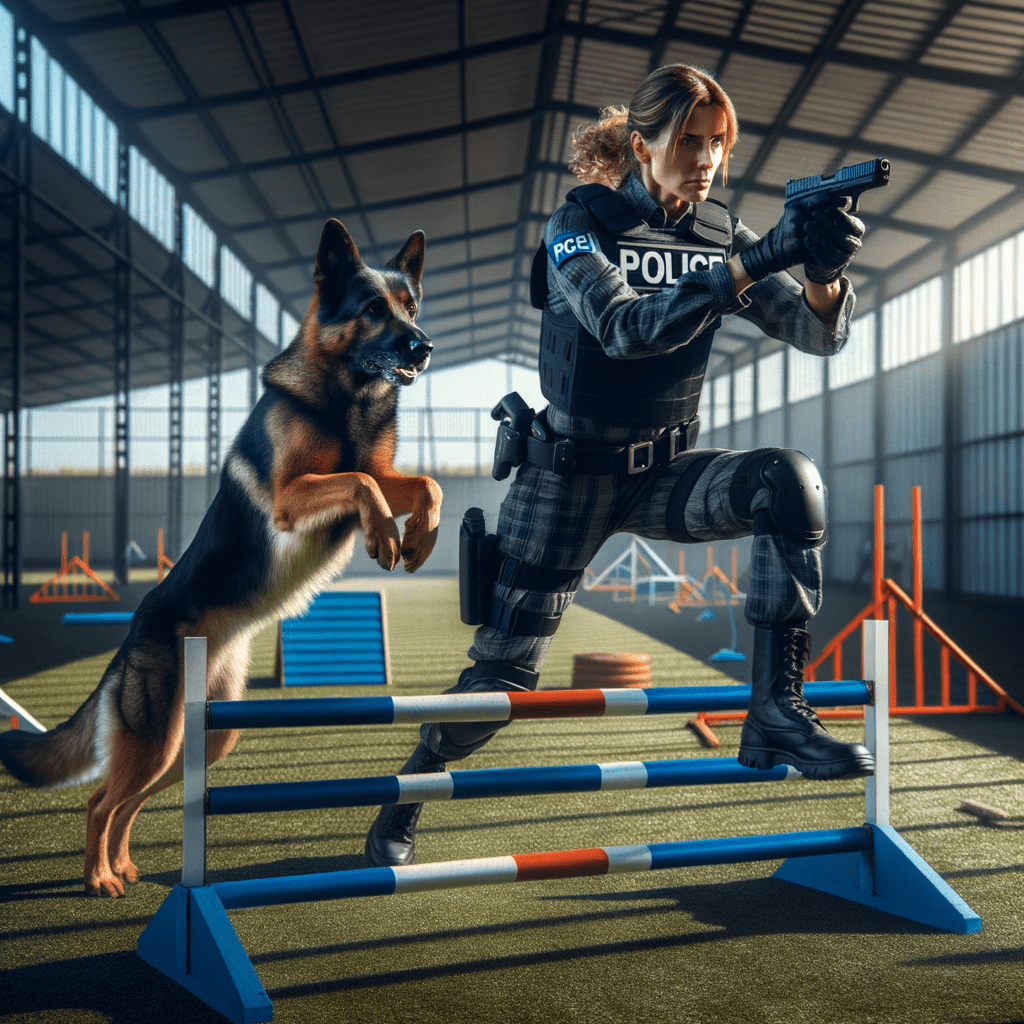
Mastering the Essentials of K9 Training for Law Enforcement Success
Introduction to K9 Training for Law Enforcement
Law enforcement agencies and military working dog kennels rely on highly skilled K9 teams to bolster their capabilities in various operations. K9s are trained to detect drugs, explosives, and apprehend suspects, making them invaluable assets in maintaining public safety. The effectiveness of these K9 units is directly tied to the quality of their training.
The Importance of K9 Training for Law Enforcement
K9 training is crucial for law enforcement as it ensures that working dogs are equipped with the necessary skills to carry out their duties effectively. A well-trained K9 not only enhances the safety of officers and civilians but also aids in successful apprehensions and searches. Moreover, a properly trained K9 can significantly reduce the risk to human officers in high-risk situations.
Key Elements of Effective K9 Training Programs
1. Obedience and Control: Comprehensive training programs should focus on obedience, handler control, and proper K9 behavior in various environments. 2. Scent Detection: K9s must be adept at detecting narcotics, explosives, and other contraband with precision and efficiency. 3. Aggression Control: Training should instill the K9 with the ability to distinguish between threats and non-threatening situations, ensuring the correct response. In summary, mastering the essentials of K9 training for law enforcement is paramount in ensuring the effectiveness and safety of K9 units in diverse operational scenarios.
Custom Canine Unlimited’s Approach to K9 Training
At Custom Canine Unlimited, our approach to K9 training for law enforcement is built on a solid foundation of experience and expertise. Since 2003, we have developed comprehensive training programs tailored to the unique needs of law enforcement agencies. We understand that each department has different goals and challenges, and our flexible training modules reflect that.
We utilize a combination of modern training techniques and traditional methods to ensure our canines are not only highly effective but also enjoy their work. Positive reinforcement is a cornerstone of our training philosophy. This encourages the dog to engage willingly and fosters a strong bond between the K9 and its handler.
We also emphasize scenario-based training, simulating real-life situations officers may face. This prepares canines to respond adeptly under pressure. After training, we continually assess and adjust curriculums to adapt to new challenges in law enforcement. Our ultimate aim is to equip law enforcement agencies with well-trained K9 teams that enhance public safety and operational effectiveness.
Types of Working Dogs Used in Law Enforcement
Law enforcement agencies employ various types of dogs for specific tasks. Each breed brings unique capabilities to enhance K9 training for law enforcement. Some of the most common breeds include German Shepherds, Belgian Malinois, and Labrador Retrievers.
German Shepherds are particularly prized for their intelligence, loyalty, and versatility. They excel in search and rescue operations, suspect apprehension, and narcotics detection. Belgian Malinois, known for their agility and high energy levels, perform excellently in patrol and detection roles.
Labrador Retrievers are primarily chosen for their exceptional olfactory senses, making them outstanding scent detection dogs. They are often used in narcotics, explosives detection, and search missions. Other breeds like Bloodhounds are employed for tracking purposes due to their incredible scent trails. Custom Canine Unlimited recognizes the importance of selecting the right breed to meet specific operational needs. Each dog is selected after careful consideration of its skill set and temperament.
Essential Equipment for K9 Training
Essential equipment plays a vital role in successful K9 training for law enforcement. High-quality gear ensures both the safety of the dog and the effectiveness of training exercises. First and foremost, properly fitted collars and harnesses are crucial. These should be chosen based on the dog’s size and breed to ensure comfort during training sessions.
Leashes also come in various designs, such as standard, retractable, and traffic leads, each serving specific training scenarios. Additionally, reward-based training requires suitable treats or toys to motivate the canine effectively. These should be used to reinforce positive behavior during training.
Training aids like agility equipment, scent cones, and scent training kits are equally important. These tools prepare dogs for various real-world applications, from obstacle courses to tracking scents. Lastly, protective gear, such as vests and bite sleeves, ensures safety during bite training and operational duties. Custom Canine Unlimited provides high-quality K9 equipment, further bolstering the training efforts of law enforcement agencies.
The Role of K9 Handlers in Law Enforcement
Law enforcement K9 handlers play a crucial role in maintaining public safety and aiding in criminal apprehension. These highly trained professionals are responsible for the care, training, and deployment of K9 units in various law enforcement operations. Their expertise in canine behavior, obedience training, and scent detection enables them to effectively utilize K9 teams in tracking, search and rescue, narcotics detection, and apprehension of suspects. K9 handlers also maintain a strong bond with their canine partners, ensuring effective communication and seamless coordination during high-stress situations. Their dedication and skill significantly enhance the overall effectiveness of law enforcement operations.
Case Studies of Successful K9 Deployments in Law Enforcement
In a recent narcotics operation, a K9 unit successfully detected hidden contraband, leading to the arrest of multiple individuals involved in drug trafficking. Similarly, during a search and rescue mission, a K9 team located a missing person in record time, saving a life. These are just a few examples of how well-trained K9 units, under the guidance of skilled handlers, have made a significant impact in law enforcement operations.
Conclusion and Next Steps
As law enforcement agencies continue to recognize the value of K9 units in their operations, the demand for well-trained K9 handlers and effective training programs is on the rise. With the right training and resources, K9 teams can continue to play a pivotal role in maintaining public safety and supporting law enforcement efforts. To ensure ongoing success, it is essential for agencies to invest in comprehensive K9 training programs and support for K9 handlers. Moving forward, the collaboration between law enforcement agencies and reputable K9 training facilities is crucial in enhancing the capabilities of K9 units for the benefit of communities and the safety of all citizens.
Share this article

Written by : AJ Vargas
Follow us
A quick overview of the topics covered in this article.

