

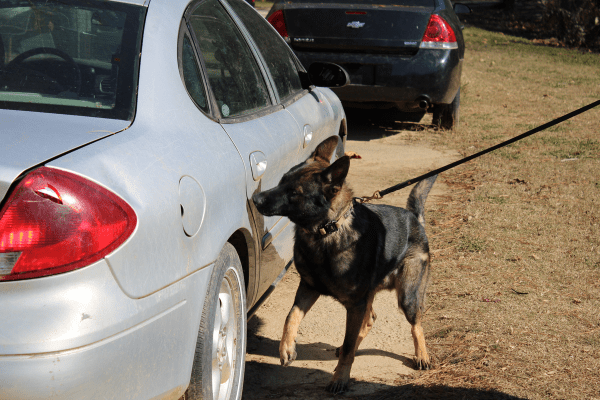
Security Dog Protocols for Detection, Tracking, or Patrol Contracts
In the world of security, working dogs stand as invaluable assets. Whether for detection, tracking, or patrol, these highly trained canines deliver exceptional results. However, to ensure their effectiveness and safety, it’s essential to implement comprehensive procedures before deploying them on any contract. Here’s a detailed guide on the essential protocols you should have in place.
1. Comprehensive Risk Assessment
Before embarking on any security contract with your working dog, start with a thorough risk assessment. Identify potential hazards, security gaps, and high-risk areas specific to the location and nature of the assignment. This evaluation will guide your training and deployment strategies, ensuring that your dog is prepared for the unique challenges of each mission.
- Identify Potential Hazards: Understand environmental dangers, such as rough terrain or extreme weather conditions.
- Security Gaps: Scrutinize areas that may require heightened surveillance.
- Tailored Strategies: Develop a deployment plan based on the identified risks and required security measures.
2. Customized Training Programs
Your working dog must undergo specialized training tailored to the specific tasks they will perform, whether detection, tracking, or patrol. Customized training ensures that your dog is equipped with the necessary skills to handle the demands of the job.
- Detection Training: Focus on scent recognition for substances like explosives, drugs, or other contraband.
- Tracking Training: Hone skills in following scents over varying terrains and in different conditions.
- Patrol Training: Develop abilities in protection, apprehension, and area surveillance.
3. Emergency Plan
An emergency plan is paramount for ensuring the well-being of both the handler and the working dog. Be prepared for any incidents that may occur during deployment.
- Veterinary Contacts: Keep the contact information of the nearest emergency vet readily accessible and ensure they have your K9’s information on file.
- First Aid Kit: Carry a first aid kit tailored for canine injuries.
- Emergency Procedures: Train in situational responses for injuries or unexpected events.
4. Health and Vaccination Checks
Regular health assessments and up-to-date vaccinations are crucial. These checks ensure that your dog is in peak physical condition and protected against potential diseases.
- Routine Health Assessments: Schedule regular vet visits to monitor the dog’s health.
- Vaccination Records: Maintain accurate records of all vaccinations and health checks.
- Fitness Regimens: Implement fitness routines to keep your dog in optimal condition.
5. Legal and Regulatory Compliance
Understanding and complying with all local, state, and federal laws related to working animals and security operations is non-negotiable. This ensures that your operations are lawful and ethically sound.
- Licenses and Permits: Ensure all necessary licenses and permits are obtained.
- Animal Welfare Laws: Adhere to regulations concerning the treatment and welfare of working animals.
- Security Regulations: Comply with industry standards and guidelines.
6. Continuous Evaluation and Improvement
Regularly assess your dog’s performance and update training protocols as needed. Continuous improvement is key to maintaining a high standard of security operations.
- Performance Reviews: Conduct periodic evaluations of your dog’s effectiveness in the field.
- Training Updates: Adapt training methods based on performance reviews and emerging security challenges.
- Feedback Loop: Encourage feedback from clients and incorporate it into your training regimen.
7. Clear Contract Agreements
Finally, ensure that contracts are clear and comprehensive. They should outline responsibilities, expectations, and terms of service to protect all parties involved.
- Detailed Terms: Specify the scope of work, including the tasks your dog will perform.
- Responsibilities: Clearly define the responsibilities of both the handler and the client.
- Legal Protections: Include clauses that address liability, confidentiality, and dispute resolution.
Conclusion
Implementing these key procedures will not only enhance the effectiveness and safety of your working dog but also build trust and reliability with your clients. For expert guidance and tailored solutions, consider booking a consultation with our team. Together, we can elevate your security operations to new heights.
Share this article

Written by : Mia Simpson
Follow us
A quick overview of the topics covered in this article.

