

Service Dogs vs. Emotional Support Dogs: What’s the Difference?
Service Dogs vs. Emotional Support Dogs: What’s the Difference?
When it comes to dogs that provide essential support to their owners, it’s easy to get confused between service dogs and emotional support dogs (ESDs). While both types of dogs can offer incredible companionship and help, they serve very different roles and have distinct legal protections, training requirements, and responsibilities. Understanding these differences is important, whether you’re considering getting one of these types of dogs, or simply want to be more informed about how these amazing animals help people with disabilities.
Let’s dive into the key distinctions between service dogs and emotional support dogs, and what each of them can do for their owners.
What Is a Service Dog?
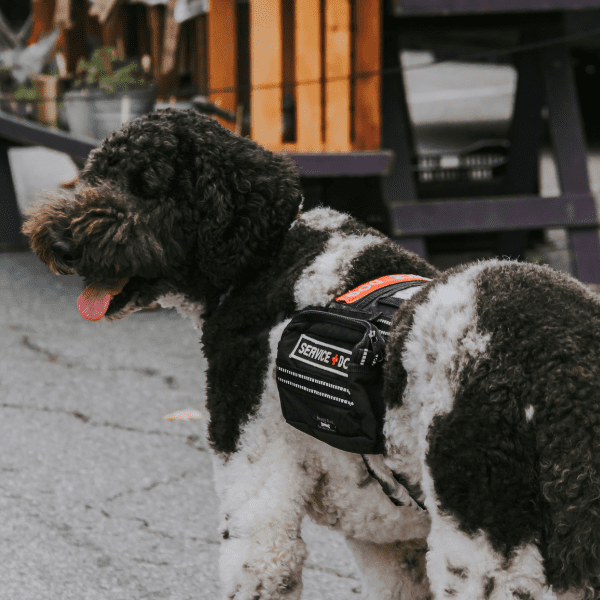
Service dogs are highly trained working animals that are specifically trained to assist individuals with disabilities or medical conditions. These dogs perform tasks that directly help their owners navigate daily life. Service dogs are often seen in public places, and they have special legal protections that allow them to accompany their handlers in places where pets are generally not allowed, such as restaurants, stores, and public transportation.
Common Roles of Service Dogs:
– Guide Dogs: Assist people who are blind or visually impaired by navigating obstacles and ensuring their safety in public spaces.
– Hearing Dogs: Help individuals with hearing impairments by alerting them to sounds such as doorbells, alarms, or a baby crying.
– Medical Alert Dogs: Can detect medical conditions like seizures or low blood sugar in people with conditions such as epilepsy or diabetes and provide alerts before a crisis happens.
– Mobility Assistance Dogs: Help people with physical disabilities by opening doors, retrieving items, or providing stability and balance.
– Psychiatric Service Dogs: Assist individuals with mental health disorders like PTSD, anxiety, or depression by performing tasks like waking their handler from nightmares, providing grounding, or providing a physical barrier in crowded spaces.
Training:
Service dogs undergo extensive, specialized training, often from a professional service dog organization or trainer. The training process can take months or even years, depending on the tasks they are being trained for. This training ensures that the dog can perform specific tasks to mitigate the handler’s disability, behave well in public settings, and remain calm in different environments.
Under the Americans with Disabilities Act (ADA), service dogs are allowed in most public places, and their handlers cannot be asked to provide documentation or proof of their dog’s training. However, the dog must always be under control, and the handler is responsible for their behavior.
What Is an Emotional Support Dog?
Emotional support dogs (ESDs) are animals that provide comfort and companionship to individuals who suffer from emotional or psychological conditions such as anxiety, depression, or PTSD. Unlike service dogs, emotional support dogs are not specifically trained to perform tasks or mitigate physical symptoms, but they offer significant emotional comfort and help alleviate symptoms of mental health conditions.
Common Roles of Emotional Support Dogs:
– Reducing Anxiety: ESDs can provide calming pressure and comfort for people with anxiety disorders or panic attacks.
– Alleviating Depression: These dogs provide constant companionship and emotional support, reducing feelings of loneliness or isolation.
– Helping with PTSD: ESDs can offer soothing presence to veterans or others affected by PTSD, helping them manage symptoms and triggering less frequent emotional episodes.
Training:
Emotional support dogs do not require specific task-oriented training like service dogs. However, they must be well-behaved, friendly, and non-aggressive in public spaces. ESDs typically receive basic obedience training to ensure they are well-mannered and under control, but the primary role of these dogs is their ability to provide comfort and emotional stability to their owners.
Emotional support dogs are not covered by the ADA, so they do not have the same public access rights as service dogs. However, they are protected under Fair Housing Act (FHA) and can live with their owners in housing that has a “no pets” policy. In some cases, they are also allowed to fly with their handlers in the cabin of an aircraft, though airlines may have different policies regarding emotional support animals as of recent years.
Which Dog Is Right for You?
Choosing between a service dog and an emotional support dog depends on your specific needs. If you have a physical disability, medical condition, or mental health disorder that requires assistance with daily tasks, a service dog may be the right choice. These dogs are trained to perform specific tasks to help mitigate your condition and make life easier.
On the other hand, if you are looking for a companion to help alleviate symptoms of anxiety, depression, or other emotional challenges, an emotional support dog may provide the comfort and companionship you need. While they do not perform specific tasks, their presence can offer a sense of peace and security.
Before deciding, it’s important to assess your personal needs, lifestyle, and the level of support you require. Additionally, you should consult with your healthcare provider or a service dog organization to determine the best path forward.
Conclusion
Service dogs and emotional support dogs each play an important role in improving the lives of their handlers, but they serve different purposes and have different requirements. Service dogs are specially trained to perform tasks that help with a disability, while emotional support dogs provide comfort and companionship to people with emotional or psychological conditions. Understanding the key differences between these two types of dogs can help you make an informed decision about the kind of support you need.
Whether you’re considering getting a service dog or an emotional support dog, one thing is clear: these dogs can be life-changing for their owners, offering not just assistance, but also unconditional love and companionship.
Share this article


