

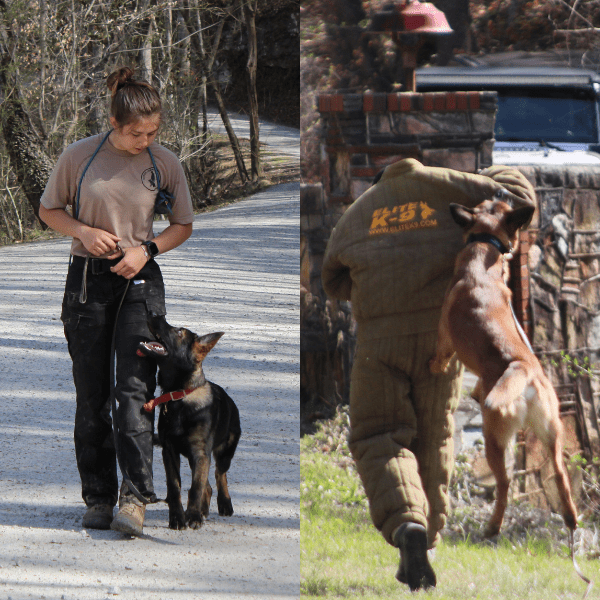
The Difference Between a Working Breed and a Working Dog: What You Need to Know
When it comes to working dogs, there’s a lot of terminology to navigate. Two common terms that often get mixed up are working breed and working dog. While they might seem similar, they refer to two very distinct concepts. Understanding the difference is crucial for anyone looking to become a working dog handler or seeking help training their working breed. In this post, we’ll explore these terms and help you understand what sets them apart.
What is a Working Breed?
A working breed refers to a group of dog breeds specifically bred for tasks that require intelligence, strength, and a high level of drive. These breeds have been selected for specific purposes such as herding, guarding, pulling carts, or protecting property. While all working breeds are capable of performing various jobs, not every individual dog from a working breed is suited to be a working dog in the professional sense.
Some examples of working breeds include:
- Belgian Malinois (often used in police work and personal protection)
- German Shepherds (common in military, police, and search and rescue work)
- Rottweilers (used in guarding and protection)
- Siberian Huskies (bred for sledding and pulling)
- Boxers (sometimes used for guarding and protection)
Working breeds have certain characteristics that make them stand out, such as a strong drive to work, high energy levels, intelligence, and a natural instinct to protect, herd, or perform a task. However, not every dog in a working breed will excel in these roles. To truly become a working dog, these breeds need proper training, socialization, and handling to channel their instincts and energy into effective work.
What is a Working Dog?
A working dog, on the other hand, refers to a dog that has been specifically trained and deployed to perform a task that benefits humans in some way. While working breeds are naturally inclined to work, a working dog is a dog that has undergone specific training to do a job such as protection, detection, search and rescue, or assistance work.
It’s important to note that not all dogs from working breeds make the cut to be considered working dogs. A working dog requires specialized training to hone their abilities, whether it’s tracking a suspect in the field, detecting explosives, or guarding an area. The training process is demanding, and it’s tailored to help the dog master their specific job.
For instance, a Belgian Malinois may be part of the working breed, but to become a true protection dog, it needs intensive training, both physically and mentally, to ensure that it can respond appropriately to threats in real-world situations.
Key Differences Between Working Breed and Working Dog
-
Natural Instinct vs. Trained Skill: A working breed has natural traits that make them inclined to perform tasks like herding, guarding, or pulling, but becoming a working dog requires intensive training to develop the necessary skills.
-
General Ability vs. Specific Task: Working breeds can have broad abilities, but working dogs are trained to focus on a specific task or set of tasks, such as detection, protection, or search and rescue.
-
Training Requirements: Even though a working breed might have the natural traits, training is essential to turn that dog into a professional working dog. Not every working breed dog will automatically be able to perform the tasks they are bred for without guidance and formal training.
What Does This Mean for Aspiring Handlers?
If you’re considering becoming a working dog handler or need help training your working breed to become a working dog, it’s essential to know that simply owning a working breed isn’t enough. Whether you’re interested in police work, personal protection, detection, or any other specialized area, your dog will need the right kind of training to develop the skills they need to excel in their role.
At Custom Canine Unlimited, we specialize in training working dogs and their handlers. Our expert trainers have years of experience working with breeds like Belgian Malinois, German Shepherds, and Rottweilers, helping them unlock their full potential as protection, detection, and service dogs. We understand that each dog has a unique temperament and learning style, and we tailor our training programs to ensure success.
Need Help Training Your Working Breed or Becoming a Handler?
If you’re looking to take your working dog to the next level or need assistance in training your dog, Custom Canine Unlimited is here to help. With our extensive experience in training all dogs, we offer tailored programs that meet your specific needs.
Whether you’re interested in personal protection, detection, or obedience, we’ll provide you with the skills and knowledge you need to become an effective handler and create a successful team with your dog.
Contact Us Today: 📞 Call us at 877-799-4806
🌐 Visit us at www.customcanineunlimited.com to learn more about our training programs and schedule a consultation.
Let us help you unlock the potential of your working dog and build a team that is as strong as the bond you share.
Share this article

Written by : Mia Simpson
Follow us
A quick overview of the topics covered in this article.

