

What Do You Need to Be a Dog Handler?
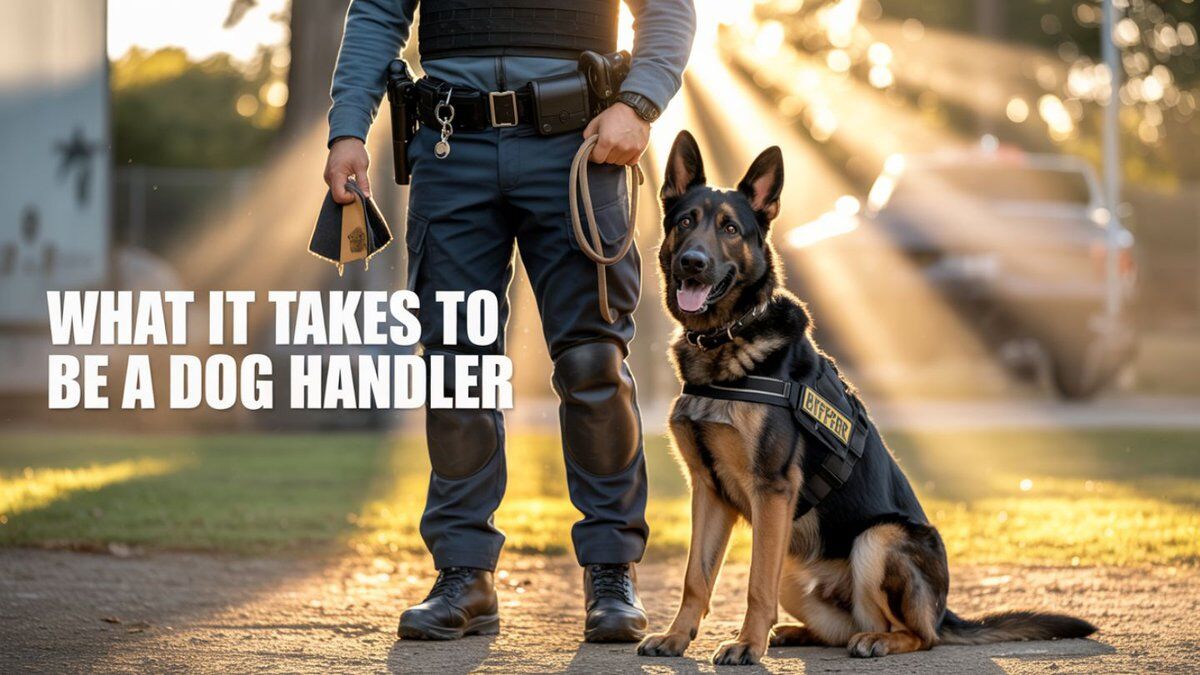
To become a dog handler, you’ll need to understand dog behavior, train your own dog, and gain experience with various breeds. Formal education, certifications, and strong communication skills are important. You must be physically fit and knowledgeable about legal and ethical responsibilities. Building a strong bond with dogs and continuous learning are also essential. So, what does it take to become a dog handler? This blog post will guide you through these requirements and how to get started.
Key Takeaways
- Understanding dog behavior and communication is essential for effective handling and training.
- Practical experience with various dogs and working under seasoned trainers enhances skills and prepares aspiring handlers.
- Continuous learning through formal education, professional organizations, and hands-on experience is vital for success in dog handling.
Understanding Dog Behavior
Understanding dog behavior is fundamental to effective training and handling. Dogs primarily communicate their emotions and intentions through body language, which differs from human communication. For example, tail-wagging signifies emotional arousal rather than just happiness; the speed and position of the wag give further insight into their feelings. Raised hackles can indicate excitement or stress, not merely aggression.
Dogs’ facial expressions also carry distinct meanings. A yawn, for instance, often indicates stress rather than tiredness. A dog’s posture, including weight distribution, can reveal its mood; a hunched position typically signifies fear or anxiety. Eye contact is another key indicator: a hard stare may signal aggression, while avoiding eye contact reflects discomfort. Recognizing these subtle cues is essential for any dog handler.
Deciphering a dog’s body language involves considering multiple signals together. Tail position, posture, and eye expression should all be evaluated to fully grasp a dog’s emotions and intentions. Mastering this skill allows for more effective communication with your canine partner and ensures successful training outcomes.
Types of Dog Handlers
Dog handlers come from a variety of backgrounds and serve in many different roles, each requiring specialized training and skills. Military working dog handlers, for example, undergo advanced individual training to learn how to work with highly trained canines in challenging environments. These handlers are responsible for detecting threats such as explosives and drugs, and their training ensures both handler and dog are prepared for high-stakes situations.
Police dog handlers work closely with their canine partners to support law enforcement operations. Their dogs are trained to detect drugs, explosives, and even track missing persons or suspects. This role demands a high level of skill, as handlers must interpret their dog’s signals and respond quickly to potential threats.
Conservation detection dog handlers use their trained dogs to help protect the environment. These canines are skilled at detecting invasive species, endangered wildlife, or other ecological threats, making them invaluable in conservation efforts.
Private dog trainers, on the other hand, work with individual dog owners to address behavioral issues and teach obedience. These trainers develop customized training programs to suit each dog’s needs, helping families build a strong bond with their pets.
No matter the specialty, all dog handlers share a commitment to ongoing training, developing their skills, and ensuring their canine partners are prepared to meet the demands of their unique jobs. It’s also important to recognize the distinction between K9 handlers and K9 trainers, as each role requires unique expertise, responsibilities, and training approaches within the canine field.
Training Your Own Dog

Training your own dog is an excellent starting point for aspiring dog handlers. Key points to consider include:
- Consistency in training cues and reactions is key; mixed signals can confuse your dog and hinder learning.
- Regular use of rewards helps establish good manners and obedience.
- Ensuring dogs understand acceptable behaviors.
You can also practice your training skills by working with friends’ and family members’ dogs to gain additional experience and test different training methods.
Tailoring training methods to individual dogs is crucial, as different dogs respond based on their personalities. Positive reinforcement creates a rewarding environment that enhances the learning experience for both dog and trainer, preventing behavioral issues by encouraging good behavior rather than focusing on punishment.
Positive reinforcement training provides necessary mental stimulation, preventing boredom and disengagement. This approach not only makes training more enjoyable for your canine partner but also strengthens the bond between you and your dog, laying a solid foundation for advanced training.
Gaining Practical Experience with Other Dogs
Practical experience with other dogs is essential for developing effective training skills. Working with various breeds in shelters helps aspiring trainers assess behaviors and refine their techniques. This hands-on experience is invaluable for understanding how different breeds react to various training methods.
Apprenticing with seasoned trainers allows novices to observe and practice effective methods in real scenarios. This mentorship offers insights into the nuances of dog training that can’t be learned from books alone. Combining experiences from different breeds with professional guidance enhances the practical skills needed for dog handling.
Hands-on experience with different dogs is crucial for becoming a well-rounded dog handler. It equips you with the skills to manage a variety of situations and behaviors, making you more effective in your role. The more diverse your experience, the better prepared you’ll be to train and handle dogs in any scenario.
Being able to prove your skills and expertise to clients or employers through practical experience and certifications is essential for building trust and credibility in the field. Exploring reputable K9 handler programs can provide structured learning opportunities and real-world experience essential for developing professional-level handling skills.
Working with Different Breeds
Every breed of dog brings its own set of characteristics, behaviors, and training challenges. Successful dog trainers understand that a one-size-fits-all approach doesn’t work when it comes to dog training. Instead, they take the time to study dog behavior and learn what motivates each breed, adapting their training techniques to suit the individual dog.
For example, high-energy breeds like Border Collies or Belgian Malinois require plenty of physical exercise and mental stimulation to stay engaged during training sessions. In contrast, more laid-back breeds may respond better to gentle encouragement and shorter, focused training periods. Dog trainers must also be aware of breed-specific health concerns and adjust their programs to prevent injuries or overexertion.
By developing a deep understanding of different breeds, dog trainers can create effective training programs that bring out the best in every dog. This awareness not only helps trainers address behavioral issues but also ensures that each dog’s unique needs are met, leading to more successful outcomes and happier canine companions.
Formal Education and Certifications
Formal education plays a vital role in enhancing the knowledge and skills of dog handlers. Programs like the Dog Trainer Professional bachelor’s degree program require a commitment of several years, with 10 to 20 hours a week for training and online coursework in a structured form. In addition to formal education, dog training schools offer another option for structured learning and professional development. Participants engage with 250 instructional videos and 40 hands-on exercises, providing a comprehensive learning experience. Understanding how long dog training takes can help aspiring handlers plan their education and set realistic expectations for mastering essential skills through structured programs.
The course includes a mix of online learning and in-person workshops, accommodating various learning preferences. Some dog handlers first become interested in conservation detection dogs while attending college, which can provide a strong foundation for further specialized training. Graduates earn the title of Karen Pryor Academy Certified Training Partner (KPA CTP), recognized by veterinarians and pet guardians. This certification adds credibility to your career as a dog trainer.
Joining professional organizations enhances your development and recognition within the dog training community. These organizations offer valuable resources, networking opportunities, and continuing education to keep your skills and knowledge current.
Strong Communication Skills
Effective communication is fundamental to successful dog training. Trainers often spend considerable time communicating with clients, sometimes more than training the dogs themselves. Clear communication with dog owners is key to maintaining training results beyond the program.
Trainers should adapt their communication style based on the owner’s personality and the severity of the issue. Consistently delivering cues aids a dog’s learning process, helping them associate commands with actions. Clear, honest communication establishes trust and understanding between trainers and dog owners.
Transparency in marketing and communication about training methods is essential for building client trust. Trainers must tactfully inform owners when their actions contribute to unwanted behaviors and talk about effective solutions. Mastering these communication skills will enhance your effectiveness and ensure better outcomes for the dogs you train, allowing you to speak more clearly about the training process.
Physical Fitness and Stamina
Physical fitness is essential for a dog handler. Good physical condition enhances the ability to manage dogs during training and handling, especially for roles requiring the handling of larger or more energetic dogs.
Many police departments have implemented physical fitness standards for their dog handlers, requiring regular evaluations. Handlers not in good physical condition can impede their dog’s performance and effectiveness. These standards enhance the overall performance and safety of both the handler and the dog.
Physical fitness is not just about handling dogs but also about ensuring your own well-being. Regular exercise and maintaining good health prepare you for the physical demands of dog handling, preparing you to perform your duties effectively through hard work.
Safety Precautions
Safety is a top priority for dog handlers, especially those working in law enforcement, military, or other high-risk environments. Handlers must be vigilant and aware of potential threats at all times, whether they’re searching for explosives, drugs, or working in unpredictable situations.
To protect both themselves and their canine partners, dog handlers are trained to follow strict safety protocols. This includes wearing appropriate protective gear, conducting regular safety checks, and maintaining clear communication with their team. Handlers must also be prepared to respond to emergencies, which is why training in first aid and emergency response is essential.
Being aware of the environment and potential hazards allows dog handlers to minimize risks and ensure the safety of everyone involved. By prioritizing safety, handlers can focus on their essential work with confidence, knowing they are prepared for any situation that may arise.
Understanding Legal and Ethical Responsibilities
Understanding legal and ethical responsibilities is essential for dog handlers. They must be familiar with:
- Local laws regarding dog handling
- Leash laws
- Breed restrictions
- Animal welfare regulations.
Adhering to these laws ensures responsible dog handling and helps avoid major law violations.
Ethical responsibilities include treating dogs humanely, promoting their welfare, and providing professional training advice to dog owners. Handlers should be transparent and honest about training methods and expectations. This transparency builds trust and ensures owners are fully informed about their dog’s training process.
Continuing education and development in dog handling ensure compliance with evolving legal standards and ethical practices. Completing the process of staying updated on the latest laws and guidelines makes you a more responsible and effective dog handler.
Building a Strong Bond with Dogs
Building a strong bond with dogs is the first step to successful training and handling. Establishing trust fosters a complete training environment and is the foundation of all successful training.
Positive reinforcement helps dogs learn behaviors more effectively by associating actions with rewards. Understanding what your dog values as a reward is key; using their favorite treats or toys enhances training outcomes. This approach boosts a dog’s confidence and fosters a trusting relationship with their owner.
A strong bond with your canine partner not only makes training more effective but also creates a lasting relationship based on mutual respect and understanding. This bond makes dog handlers aware of what sets them apart, especially among dog lovers.
Business Skills
In addition to their expertise in dog training, successful dog trainers and handlers need strong business skills to thrive in their careers. Running a dog training business involves much more than working with dogs—it requires effective marketing, financial management, and excellent customer service.
Dog trainers must be able to promote their services, build a loyal client base, and manage the day-to-day operations of their business. This includes setting prices, handling scheduling, and keeping accurate records. Understanding and complying with laws and regulations related to animal welfare and business practices is also essential to avoid legal issues and maintain a reputable service.
Strong communication skills are vital for building trust with clients and understanding their needs. By developing these business skills, dog trainers can create a successful, sustainable career and provide high-quality service to both dogs and their owners.
Marketing and Networking
Building a successful dog training or dog handling business goes beyond just having great training skills—it also requires effective marketing and networking. Dog trainers need to develop a strong online presence, including a professional website and active social media profiles, to attract new clients and showcase their expertise.
Utilizing marketing strategies such as email campaigns, local advertising, and client testimonials can help trainers reach a wider audience. Networking with other professionals in the industry, such as veterinarians, pet groomers, and fellow dog trainers, opens up opportunities for referrals, collaborations, and staying informed about the latest trends in dog training.
By investing time in marketing and networking, dog trainers can develop a thriving business, expand their reach, and achieve long-term career success in the world of dog training.
Joining Professional Organizations
Joining professional organizations offers valuable opportunities to develop and network. Membership provides access to a team of peers for support and collaboration, enhancing skills and confidence, whether you have an associate’s or bachelor’s degree. This skilled technical service can significantly impact your professional growth for those who are interested in family.
Membership often includes access to continuing education courses and resources, such as workshops and research articles, helping trainers stay current. These organizations also promote industry standards and ethics, guiding trainers in maintaining quality and integrity in their work.
Joining a professional organization can significantly boost your career, providing the resources and support needed to excel in dog training and logistics handling, especially if you are trained in the latest high-level job techniques in the world, at a low cost to serve. You can join a network of professionals in the department who share your passion.
Continuous Learning and Development
Continuous learning and development are essential for maintaining and enhancing your skills as a dog handler. Many police departments have physical fitness standards for their handlers, requiring regular evaluations. Handlers not in good physical condition can impede their dog’s performance and effectiveness.
Military dog handlers advance through stages such as Basic Combat Training (BCT) and Advanced Individual Training (AIT) to gain specialized skills necessary for their roles. It is important to take practice tests for exams like the ASVAB to ensure readiness for positions such as military working dog handler. Handlers must have completed all required training phases and certifications to qualify for advanced roles.
Working dog handlers, such as those in search and rescue or law enforcement, often face physical fitness evaluations to ensure they can meet the demands of their roles. These standards enhance the overall performance and security of both the handler and the detection dogs, as well as the animals involved in the test, including those trained to detect explosives.
For dog trainers, ongoing education is crucial as techniques that work today may not be effective tomorrow. Staying updated on the latest training methods and best practices ensures you remain effective and successful in your role. Many professionals advance their expertise through flexible online K9 courses, allowing them to stay current with modern training techniques and evolving industry standards.
Building a Career as a Professional Dog Handler
Becoming a skilled dog handler takes dedication, discipline, and continuous learning. From understanding canine psychology to mastering effective communication, every aspect of the role demands patience, consistency, and a genuine passion for working with dogs. Success in this field comes from combining hands-on experience, formal education, and a commitment to ethical training practices that strengthen the bond between handler and canine partner.
At Custom Canine Unlimited, we provide the advanced education and practical training necessary to help you excel in this rewarding profession. Through our comprehensive dog trainer course in Gainesville, we prepare individuals to handle real-world scenarios with confidence, professionalism, and integrity. Whether your goal is to pursue law enforcement, service training, or private instruction, we offer the resources, mentorship, and expertise to help you succeed and make a meaningful impact in the canine industry.
Frequently Asked Questions
What qualifications do you need to become a dog handler?
To become a dog handler, you typically need a combination of hands-on experience, formal training, and certifications. Many handlers gain experience through volunteer work, internships, or professional training programs. Strong communication skills, physical fitness, and an understanding of canine behavior are also essential for success.
How long does it take to become a certified dog handler?
The time required varies depending on the type of certification or training program. Some entry-level courses take a few months, while advanced programs—such as those focusing on police or military K9 work—can take six months to a year or more. Continuous learning is vital to maintain skills and stay current with evolving training methods.
Is formal education necessary for dog handling?
While not always mandatory, formal education greatly enhances career prospects. Specialized training programs and certifications provide structured learning in behavior, obedience, and safety protocols. Many successful handlers attend accredited institutions or professional academies to gain comprehensive knowledge and credibility in the field.
What skills are most important for a dog handler?
A professional dog handler needs patience, consistency, and strong observation skills. Effective communication—both with dogs and people—is critical. Physical fitness, discipline, and adaptability are also essential, as the work often involves physically demanding tasks and diverse environments.
Can I start a career in dog handling without prior experience?
Yes, beginners can enter the field by starting with foundational courses and volunteering at animal shelters or training facilities. Working under experienced trainers provides valuable mentorship and exposure to real-world scenarios. Over time, you can advance to more specialized roles with additional training and certification.
Share this article

Written by : AJ Vargas
AJ Vargas is a highly skilled Canine Trainer at Custom Canine Unlimited, bringing extensive hands-on experience in law enforcement, working dogs, and specialized K9 operations. With a deep commitment to public safety and canine performance optimization, AJ has trained and deployed working dogs in high-stakes environments, supporting law enforcement agencies and security teams across the country. His expertise spans obedience, detection, patrol work, and real-world deployment readiness, ensuring both dogs and handlers achieve operational excellence. At Custom Canine Unlimited, AJ continues to advance canine training standards, helping shape top-tier K9 teams that deliver measurable results in the field.
Follow us
A quick overview of the topics covered in this article.

