

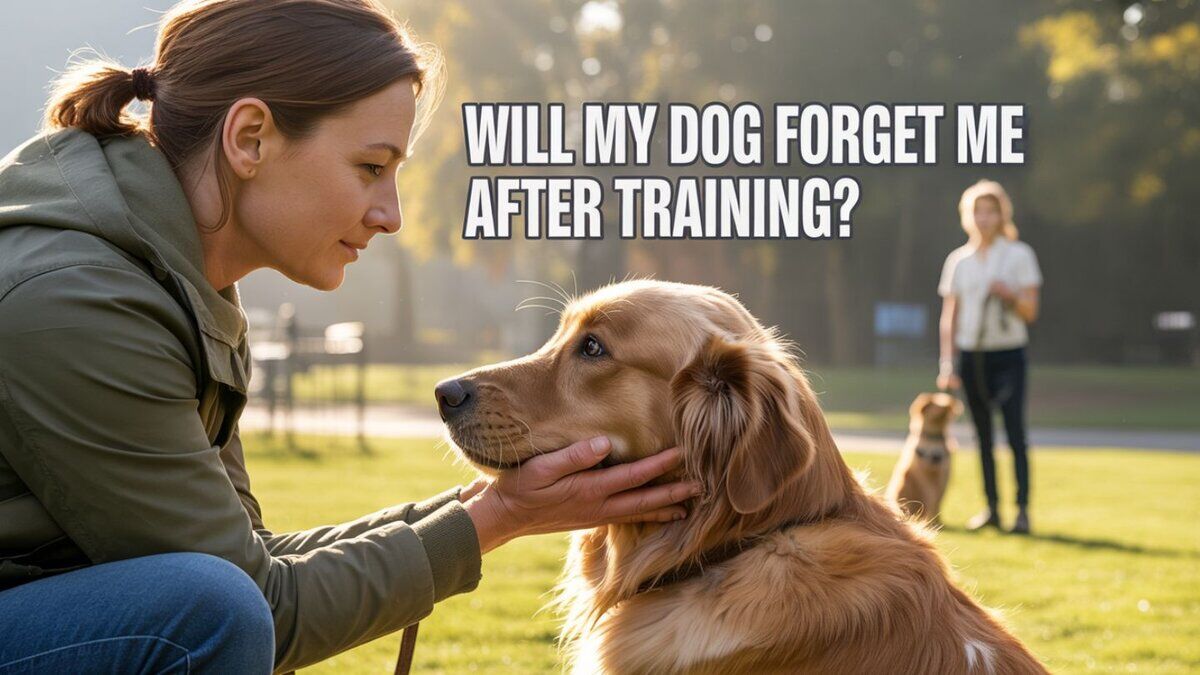
Will My Dog Forget Me If I Send Him to Training?
Sending your dog away for professional training can trigger a surprising amount of anxiety for loving owners. Questions about attachment, memory, and emotional connection often surface alongside hopes for better behavior and communication. While board and train programs offer structure and expertise, many owners worry about what the separation might mean for their bond. Understanding how dogs process relationships, routine changes, and learning environments can bring much-needed reassurance. With the right expectations, training can strengthen, not weaken, the relationship you share with your dog.
Key Takeaways
- Healthy dogs do not forget bonded owners during typical 2-4 week board and train programs due to strong odor recognition and emotional memory
- Most dogs may miss their family initially, but adapt to structured routines with proper professional care and attention to their individual needs
- Successful training requires consistent owner follow-through at home to maintain results and reinforce the human-dog bond through continued practice
- Dogs can form working relationships with trainers while maintaining their primary attachment to family members who provide daily care and affection
- Transform your dog’s behavior with Custom Canine Unlimited’s civilian training programs, built for pet owners who want real results, not quick fixes. From obedience to behavior shaping, our trainers are here to help your dog thrive.
Will My Dog Forget Me After The Training Program?
The fear is real and completely understandable: “Will my dog still love me? Will he even want to come home?” These worried thoughts keep many dog owners awake at night when considering professional training. But here’s the reassuring truth – your dog will not forget you during a properly managed board and train program.
Dogs form deep, long-term emotional memories with their primary caregivers that simply don’t disappear over a few weeks. Scientific studies on canine attachment show that dogs recognize their owners through multiple senses, including voice, body language, and especially individual body odor, creating robust recognition patterns that persist even after extended separations. Research published in Animal Cognition (D’Aniello et al., 2017) demonstrates that dogs use human scent as a primary identifier, while findings in Current Biology (Andics et al., 2014) show that dogs can distinguish familiar voices from unfamiliar ones.
Working dogs provide real-world proof of this bond’s durability. Police K9 teams, military handlers, and detection dogs regularly demonstrate that months apart don’t erase their connection to familiar humans. When soldiers returning home after deployments reunite with their dogs, the excitement and immediate recognition are unmistakable signs that the bond remained intact throughout the separation.
Picture this reunion scenario: a dog who spent four weeks in a training program spots his owner walking through the facility door. That pup doesn’t hesitate or look confused – he bolts straight toward his person with pure happiness and recognition. The tail wagging, jumping, and excited whining show that not only did he remember, but he missed his family deeply.
Your current relationship provides the foundation that training cannot erase. If your dog seeks your affection now, enjoys playing games with you, and shows excitement when you come home after just a few hours away, those emotional connections are far too strong to vanish during professional training.
Will My Dog Miss Me or Be Sad During Training?
Let’s be honest – many dogs do experience some confusion and loneliness when they first arrive at a training facility. Just like us humans would feel unsettled in a new environment, your pup might wonder where his family went and when they’re coming back.
Individual dogs react differently to this transition. Confident, outgoing dogs often adapt within the first few days, quickly engaging with trainers and settling into new routines. More sensitive or anxious dogs might show signs of missing home for a longer period – decreased appetite, extra sleeping, occasional whining, or pacing during the first week.
Professional trainers understand these normal adjustment reactions and structure programs accordingly. A typical day includes predictable feeding times, multiple short training sessions, appropriate rest periods in comfortable kennels, and supervised exercise. This consistency helps most dogs feel secure and begin to trust their temporary environment.
Quality training facilities monitor each dog’s emotional state carefully. Trainers adjust work intensity for stressed dogs, provide extra comfort during downtime, and use positive reinforcement to build confidence rather than adding pressure. They recognize that a dog who’s constantly worried or fearful cannot learn effectively. Dogs with reactive tendencies may take longer to adjust to new environments, which is why controlled routines and professional handling are especially important during residential training.
The mild sadness your dog might feel initially doesn’t damage your bond – in many cases, it actually proves how much he values your relationship. That temporary absence makes the reunion moment even more joyful and reinforces to both of you how important your connection really is.
Rather than feeling guilty about your dog’s adjustment period, remember your bigger purpose. You’re investing in his future confidence, safety, and ability to be a well-mannered family member. That gift lasts a lifetime and ultimately strengthens your relationship by reducing daily stress and conflict.
What Exactly Is a Board and Train Program?

A board and train program means your dog stays full-time with a professional trainer for intensive behavior work, typically lasting two to four weeks. This isn’t a casual “doggy boot camp” for teaching cute tricks – it’s focused skill development designed to create reliable responses and better communication between you and your dog. The duration of professional training varies based on a dog’s age, temperament, prior experience, and behavioral goals, which is why some dogs progress more quickly than others despite similar program lengths.
Custom Canine Unlimited specializes in all types of training – including pet obedience programs. Their approach emphasizes control, reliability, and performance even when minimal distractions are present in the training environment. This higher standard proves that dogs can maintain focus and respond correctly under real-world conditions, not just in perfectly quiet settings.
Common goals include establishing reliable recall, improving leash manners, reducing reactive behaviors, and building stronger handler responsiveness. The program structure differs significantly from weekly group classes because dogs receive multiple training sessions daily with consistent reinforcement and no gaps in the learning process.
A typical day might begin with morning exercise and bathroom breaks, followed by focused training sessions targeting specific behaviors. Dogs then rest in comfortable kennels, participate in additional short training periods, receive controlled exposure to various distractions to test their reliability, and end with evening exercise and feeding routines.
The intensity and repetition possible in residential training accelerate learning compared to once-weekly lessons. However, even the most comprehensive program only establishes the foundation. The dog must transfer these new skills to home life, which requires owners to learn the trainer’s methods and maintain consistent expectations.
Success depends heavily on the handover process and the owner’s commitment to continuing the work. Without proper follow-through, dogs often regress within weeks as they realize the rules have changed again when they return home.
How Dogs Think About Time, Routine, and Their People
Dogs experience time differently from humans. While we track dates and count days on calendars, dogs live much more in the present moment, responding to immediate cues like meal preparation sounds, leash appearances, or car doors closing. This present-focused nature actually helps them adapt to new routines more quickly than we might expect.
Despite this “in the moment” approach to daily life, dogs store powerful emotional memories about the people who matter to them. They remember who provides food, safety, play, and affection – not because they’re keeping score, but because these experiences create deep neural pathways linking specific humans with positive outcomes and security.
Working dogs demonstrate this emotional memory storage beautifully. These examples show that dogs can hold multiple human relationships in their memory without losing or replacing previous bonds.
When your dog enters a training program, he’s not replacing his family memories – he’s adding new structure and learning experiences to his existing knowledge. The trainer becomes a temporary source of guidance and consistency, but this doesn’t erase the deeper emotional connections formed through months or years of daily life together.
Think of training time as sending your dog to “school” rather than rehoming him. Students learn from teachers and may even develop fondness for particularly effective instructors, but they don’t forget their families or transfer their primary loyalties because of positive educational experiences.
How to Prepare Your Dog (and Yourself) Before Sending Him to Training
Preparation reduces stress for both you and your pup, making the transition smoother and the eventual reunion more successful. Start by visiting the training facility in person if possible. Seeing the kennels, training areas, and observing how staff interact with dogs in real time gives you confidence and helps you answer your dog’s needs more specifically.
Schedule detailed discussions about your dog’s complete history with the trainer. Cover his age, breed characteristics, any medical needs or restrictions, previous training experiences, specific fears or anxieties, and any aggressive tendencies. The more information you provide, the better the trainer can customize the approach and avoid triggering unnecessary stress.
Ask whether you can send a familiar item with your dog – perhaps a blanket or approved toy that carries home odors. Many facilities allow this comfort item during the initial adjustment period, though working dog programs may phase out these items as training progresses to build independence and focus.
Your energy during drop-off matters more than you might realize. Dogs are incredibly sensitive to human emotions, so extended, tearful goodbyes can actually increase their anxiety about the situation. Instead, maintain calm confidence, give your normal affection, and trust that this temporary separation serves a greater purpose in your dog’s development.
Establish clear, written goals with the trainer before the program begins. Rather than vague hopes for “better behavior,” specify desired outcomes like reliable recall within 30 feet, calm walking on leash without pulling, or settling quietly in a crate for several hours. These concrete expectations help both you and the trainer measure progress and ensure you’re aligned on priorities.
Most importantly, prepare yourself emotionally for the fact that your dog will come back different in some ways – hopefully more responsive, calmer in challenging situations, and clearer about expectations. This positive change might feel unfamiliar at first, but it represents growth that benefits your entire family’s quality of life.
Your Role During and After a Board and Train Program
Training doesn’t end when your dog leaves the facility – it transfers to you. Your active participation determines whether the investment pays off long-term or fades away within weeks. This reality places significant responsibility on owners who want to maintain and build upon professional training results. For many owners, especially those new to structured dog training, understanding timing, consistency, and clear communication is just as important as the dog’s time spent with a professional.
Stay appropriately informed during the program through whatever communication schedule the trainer recommends. Some facilities provide regular phone updates, others send videos of progress, and many offer written reports at specific intervals. Respect the trainer’s communication preferences rather than demanding daily updates that could interfere with your dog’s focus and adjustment.
The handover session at program completion is absolutely critical. Plan to spend sufficient time learning the exact commands, body language, timing, and reward systems the trainer used. If the trainer says “down” with a specific hand signal, you need to use identical cues to avoid confusing your dog and undermining his new skills.
Consistency becomes your primary job once your dog returns home. Use the same words, maintain the same boundaries, and follow the same rules the trainer established. Dogs learn through repetition and predictability, so changes in expectations can quickly erode progress and create confusion about what’s actually expected.
Plan for daily practice sessions, but keep them short and positive – five to ten minutes of focused work often proves more effective than occasional long training sessions. Incorporate trained behaviors into normal daily routines rather than treating them as separate “training time.” Ask for a sit before meals, practice down-stays before opening doors, and use recall commands during regular walks.
Remember that improved obedience makes life easier, but it doesn’t replace your dog’s need for exercise, mental stimulation, and fair leadership. Continue providing fun activities, exploring new environments together, and building positive experiences that reinforce your bond while maintaining the structure he learned during training.
How Custom Canine Unlimited Approaches Professional Dog Training
Custom Canine Unlimited operates differently from typical pet training businesses because it focuses primarily on working dogs and law enforcement applications, with obedience being the major area. Their expertise centers on K9 teams, detection work, and other specialized skills that require exceptional reliability and control under challenging conditions. The same principles used to develop dependable working dogs also inform decisions about whether advanced training paths, such as service dog preparation, are appropriate for certain dogs and handlers.
Most of their online training resources target law enforcement professionals and working dog handlers rather than general pet owners. These programs address advanced topics like drug odor detection, tracking, patrol work, and tactical deployment that require specialized knowledge and ongoing professional support.
Their training philosophy intentionally includes minimal distractions in the environment to test and prove reliability rather than creating unrealistically sterile conditions. This approach ensures that dogs can maintain focus and respond correctly when faced with real-world challenges like noise, movement, crowds, or other animals.
Custom Canine Unlimited maintains transparent expectations about program outcomes. They also don’t promise improvements in social skills, focusing instead on measurable obedience, control, and specialized working abilities.
Their approach emphasizes building reliable communication between handlers and dogs through clear expectations, consistent reinforcement, and progressive exposure to increasingly challenging situations. This methodology produces dogs capable of performing critical tasks in high-stakes environments where mistakes could have serious consequences.
For working dog owners in general and law enforcement agencies, Custom Canine Unlimited provides the expertise and specialized training necessary to develop effective, reliable K9 teams. Their focus on advanced applications means they understand the unique demands placed on working dogs and their handlers.
For Pet Owners: The Kennel Manager Course Option
Pet owners looking to benefit from Custom Canine Unlimited’s expertise have one primary online option: the Kennel Manager Course. This program is designed for civilians and provides a comprehensive foundation in professional kennel operations and canine care management.
The Kennel Manager Course covers essential topics such as proper cleaning protocols, sanitation schedules, kennel layout best practices, and effective waste management systems. Students also learn how to monitor dogs for signs of health concerns or behavioral shifts, understand ventilation and housing requirements, and implement feeding routines that support hygiene and reduce stress.
While this course does not include obedience training or behavior-modification instruction, it equips pet owners with valuable knowledge that elevates their ability to care for dogs in a structured environment. It is especially useful for those who board their dogs frequently, manage multiple dogs at home, or are considering operating a small boarding or daycare setup.
Custom Canine Unlimited also offers a Kennel Master Course, but this program is exclusively reserved for Veterans and Law Enforcement personnel.
Strengthening the Bond Through Thoughtful Training
Sending your dog to professional training does not erase the bond you’ve built; it reinforces it. Dogs are deeply wired to remember and remain attached to the people who provide safety, affection, and consistency. While short periods of adjustment are normal, a well-managed training environment helps dogs gain confidence, structure, and clarity. When training is paired with proper owner follow-through at home, the result is a calmer, more responsive companion and a stronger, more rewarding relationship built on trust and communication.
At Custom Canine Unlimited, we help owners move forward with confidence by providing professional, results-driven training rooted in clarity and accountability. If you’re exploring dog training in Gainesville or looking for focused support beyond basic obedience, we’re here to guide you every step of the way. Whether your needs include one-on-one dog training in Gainesville, GA, advanced law enforcement K9 training, or services across Florida and Columbus, our team delivers proven methods designed for real-world reliability. Take the next step with us and invest in training that strengthens your dog’s skills while preserving the bond that matters most.
Frequently Asked Questions
How long can my dog be away at training before I should worry about our bond?
Most dogs can handle two to four weeks of professional training without any damage to their primary attachment. The key factor isn’t time alone but the quality of care and the strength of your existing relationship. Dogs with secure attachments to their owners typically show immediate recognition and excitement at reunion, even after several weeks apart. However, if your dog already shows signs of severe separation anxiety, discuss this concern with both your veterinarian and the trainer before committing to residential training.
Will my dog prefer the trainer over me after the board and train?
It’s normal for your dog to respond enthusiastically to his trainer’s commands and guidance after intensive training, but this doesn’t replace his primary bond with you. Professional trainers develop working relationships with dogs through consistent structure and clear communication. Once you learn to use the same methods consistently, your dog will transfer that responsiveness to you while maintaining his deeper emotional attachment to his family. The trainer provided temporary structure; you provide ongoing care, affection, and daily life companionship.
What should I do if my dog seems confused or overly excited when he comes home?
Keep the first 24-48 hours relatively calm and structured while your dog readjusts to home routines. Some dogs show extra excitement at reunion, while others might seem slightly overwhelmed by the change back to familiar surroundings. Practice the commands he learned during training in short, positive sessions to reinforce his new skills. Maintain consistent rules about furniture, feeding times, and household boundaries. If confusion persists beyond a few days, contact your trainer for guidance on smoothing the transition.
Should I visit my dog during the training program?
Visit policies vary between facilities and depend on your individual dog’s stress level and adaptation. Some dogs benefit from brief visits that reassure them you haven’t disappeared, while others find visits disruptive to their adjustment process and learning focus. Follow your trainer’s recommendations based on their assessment of your dog’s personality and progress. If visits aren’t allowed or recommended, ask about alternative communication methods like photos or video updates that let you monitor his well-being without interrupting his program.
How often should we practice once my dog returns home?
Plan for brief daily practice sessions of five to ten minutes using the commands and techniques your trainer taught you. Consistency matters more than duration – short, frequent practice sessions maintain skills better than occasional long training periods. More importantly, incorporate trained behaviors into your normal daily routine: ask for sits before meals, practice down-stays before opening doors, and use recall commands during regular walks. This integration makes training feel natural rather than like separate “work time” and strengthens your role as the primary handler in your dog’s life.
Share this article

Written by : AJ Vargas
AJ Vargas is a highly skilled Canine Trainer at Custom Canine Unlimited, bringing extensive hands-on experience in law enforcement, working dogs, and specialized K9 operations. With a deep commitment to public safety and canine performance optimization, AJ has trained and deployed working dogs in high-stakes environments, supporting law enforcement agencies and security teams across the country. His expertise spans obedience, detection, patrol work, and real-world deployment readiness, ensuring both dogs and handlers achieve operational excellence. At Custom Canine Unlimited, AJ continues to advance canine training standards, helping shape top-tier K9 teams that deliver measurable results in the field.
Follow us
A quick overview of the topics covered in this article.

