

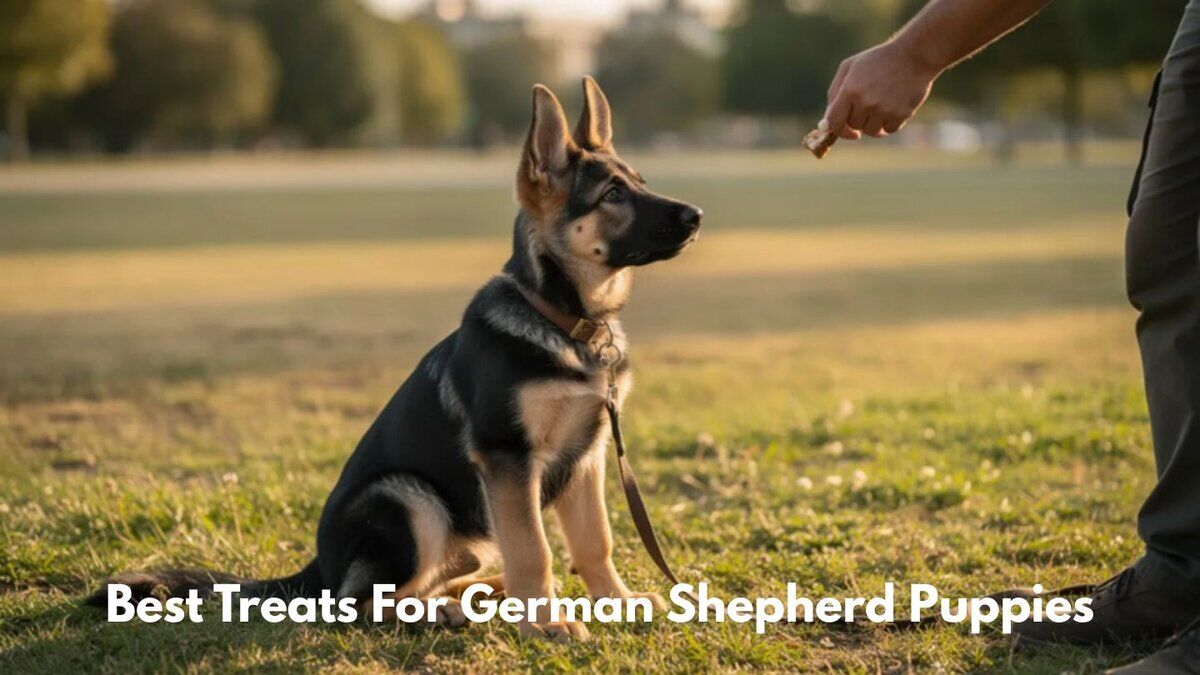
Best Treats For German Shepherd Puppies
German Shepherd puppies grow fast, learn quickly, and rely heavily on proper nutrition and training during their early months. Treats play a much bigger role than simple rewards; they influence learning speed, joint health, digestion, and long-term behavior. In the blog, we break down exactly which treats are best for German Shepherd puppies, how to use them safely and effectively, and how smart treat choices can support training success while keeping your puppy healthy, balanced, and thriving.
Key Takeaways
- Ideal treat types include soft meat-based training bites, VOHC-accepted mini dental chews, freeze-dried single-ingredient meats (like beef liver), puppy-formulated biscuits, and vet-approved teething chews
- Treat size must match your young GSD’s mouth, avoid hard bones and rawhide, and always supervise chewing to reduce choking or digestive risks
- German Shepherds are prone to hip and elbow dysplasia and sensitive stomachs, so low-fat, limited-ingredient, and joint-supportive treats with omega-3s or glucosamine are ideal choices
- Before introducing new treats, especially if your puppy has diarrhea, food allergies, or is growing too quickly, your veterinarian can provide personalized guidance
Why Treats Matter For German Shepherd Puppies
German Shepherd puppies, typically 8 to 18 weeks old when owners start training, are brilliantly intelligent and incredibly food-motivated. That combination makes treats one of your most powerful tools for early socialization, obedience training, and building your pup’s confidence in the big, exciting world around them. Early learning windows matter, and puppy training should start before 16 weeks to build strong foundations that carry into adulthood.
But here’s the thing: treats aren’t just extra snacks. They’re precise rewards that serve specific purposes:
- Reinforcing basic cues like sit, down, come, and leave it, often several times throughout the day during short training sessions. Reliable response to cues like recall becomes especially important later, which is why consistent reinforcement supports long-term success in teaching recall to your puppy.
- Creating positive associations with potentially scary experiences like vet visits, nail trims, and first car rides, helping your puppy feel safe rather than anxious
- Redirecting natural behaviors like herding and mouthing into calmer, more appropriate actions through positive reinforcement
- Building a strong bond between you and your German Shepherd dog that will last a lifetime
When it comes to calorie awareness, a typical 12-week-old German Shepherd puppy needs around 900 to 1,200 calories per day. Treats should stay under 10% of that total, roughly 90 to 120 calories, to avoid unhealthy, rapid weight gain that can stress developing joints.
Keeping your GSD puppy at a healthy weight with measured treats protects their rapidly developing skeletal system. Research suggests that lean puppies have significantly lower rates of joint issues like hip dysplasia and cruciate ligament injuries later in life. That’s a win worth working toward!
Types Of Treats For German Shepherd Puppies (Quick Overview)
Not all dog treats serve the same purpose, and understanding the differences helps you pick the right treats for every situation. Here’s a quick breakdown of the main categories we’ll explore throughout this article:
- Training treats: Small, soft, and very tasty bites designed for rapid-fire repetition during training sessions. These are usually under 3 calories per piece, think tiny soft chicken or salmon bites that your puppy can eat in under 2 seconds without breaking focus. These treats are especially useful during structured learning environments, whether training happens at home or alongside guidance similar to an online puppy class virtual training format.
- Everyday snack treats: Slightly larger, more filling bites are used less frequently throughout the day. Puppy biscuits or limited-ingredient soft chews fall into this category; they complement the main diet without overloading calories.
- Dental treats: VOHC-accepted mini chews formulated specifically for puppies 8 to 12+ weeks that help reduce plaque and tartar buildup. Important note: these aren’t a substitute for regular tooth brushing!
- Enrichment chews: Longer-lasting items like puppy-safe edible chews or rubber toys stuffed with food that help with teething, boredom, and crate training. Just steer clear of very hard chews that can crack those developing teeth.
- What’s ahead: The rest of this article dives deeper into how to choose the best products in each category, with concrete food and ingredient examples to make your shopping easier.
Using Treats Wisely: Training And Behavior

German Shepherd puppies learn fastest when treats are used as immediate training rewards through positive reinforcement, not as bribes or random snacks tossed their way. Timing and technique make all the difference in training success.
Here’s how to use treats effectively during early training:
- Keep them tiny
- Speed matters
- Short and sweet
- Socialization goldmine
- Redirect mouthing
Crate training magic: Stuff a rubber toy like a puppy KONG with kibble mixed with a small amount of plain yogurt, canned puppy food, or mashed banana, then freeze it for a long-lasting treat that keeps your pup happily occupied. This approach supports consistent house training routines by keeping your puppy calm and engaged between breaks, which is especially useful when establishing realistic potty schedules and understanding how often you should take a puppy out to pee and how to potty train a dog or puppy based on age and activity level.
Save the good stuff: High-value treats like real meat, tiny bits of cream cheese, or freeze-dried liver should be reserved for the hardest tasks (recall outdoors, working around distractions), while lower-value treats work great for easy tricks indoors. Training in the presence of distractions builds reliability that carries into more advanced work later on, including foundational skill development seen in K9 bite work basics, transitioning from a puppy sleeve to a jacket, where early engagement and a strong reward history play an important role.
Homemade vs Store-Bought Treats For GSD Puppies
Both homemade and commercial treats can be excellent for German Shepherd puppies when chosen thoughtfully. Each approach has its advantages, and many owners find that a combination works best for their active lifestyle and training needs.
Advantages of homemade treats:
- You control every ingredient, easily avoiding common triggers like chicken, wheat, or soy if your puppy has allergies or a sensitive stomach
- You can make very small, soft pieces perfect for high-volume training, tiny cubes of boiled chicken breast, turkey, or baked pumpkin-and-oat bites
- Fresh options like banana slices, blueberries, or steamed baby carrots cooled to room temperature can be low-calorie, nutrient-rich alternatives your dog loves
Cautions with homemade treats:
- Toxic foods to avoid: onions, garlic, grapes, raisins, chocolate, xylitol, alcohol, and high-salt foods like deli meats. These are dangerous for your pup
- Skip the fatty stuff: Avoid high-fat scraps like bacon, skin, or greasy meats that can trigger pancreatitis or diarrhea in sensitive GSD puppies
- Count those calories: Treat any homemade recipe as part of the daily calorie allowance, keep pieces tiny, and don’t guess at portions
Advantages of store-bought treats:
- Commercial treats labeled for “puppies” are formulated with appropriate textures and often include added nutrition like DHA for brain development
- Reputable brands provide feeding guidelines, calorie counts, and clear ingredient labels to help with weight and allergy management
- VOHC-accepted dental chews and limited-ingredient training treats are easier to store and use consistently
Food safety reminder: Homemade meat-based treats should be fully cooked and refrigerated, with uneaten portions discarded after a training session to reduce bacterial risk.
How To Choose Store-Bought Treats For German Shepherd Puppies
GSD puppies grow quickly into large, athletic dogs, so prioritize treats that support joint health, digestion, and safe chewing, not just fun flavors or cute packaging. Here’s what to look for on those labels:
Ingredient quality:
- Look for real meat as the first ingredient: “chicken,” “salmon,” “turkey,” or “beef” rather than vague terms like “meat by-product.”
- For young puppies with itchy skin, recurrent ear infections, or loose stools, try limited-ingredient treats focusing on one protein and one carbohydrate
- Avoid treats with artificial colors, artificial flavors, excessive sugar, and chemical sweeteners, especially xylitol, which is toxic to dogs
Size and texture:
- For puppies under 4 months, stick with soft treats only, no hard biscuits or antlers that can fracture developing teeth
- Ideal training treats should be no larger than a pea and easily swallowed without chewing to keep training fast and safe
- For older puppies (5 to 12 months), you can introduce slightly firmer biscuits and puppy-formulated dental chews, but still avoid extremely hard options
Calories and feeding guidelines:
- Low-calorie treats (2–3 kcal each) allow frequent reinforcement without exceeding daily limits.
For owners supplementing in-person work with technology, understanding whether puppy training apps are worth it can help align treat-based reinforcement with consistent cue timing and reward delivery.
Joint and skin support:
- Look for treats containing omega-3 fatty acids (from fish oil or flax), glucosamine, or chondroitin as a bonus for this breed predisposed to joint issues
- These supplements can support overall health when given in appropriate amounts
Brand trust:
- Choose brands with transparent sourcing, clear batch codes, and no recent major recall history
- When in doubt, ask your veterinarian about any health alerts or concerns with specific products
Healthy Training Treat Ideas For German Shepherd Puppies
Let’s get practical! Here’s a list of concrete training treat ideas combining store-bought styles with simple homemade options that deliver real nutritional value:
Soft commercial training treats:
- Tiny, soft bites made from chicken, turkey, salmon, duck, or lamb that can be broken even smaller, ideal for puppies 8 to 16 weeks
- Both grain-inclusive and grain-free options can work well, depending on your puppy’s GI tolerance and your vet’s advice
Freeze-dried single-ingredient treats:
- Freeze-dried beef liver, chicken breast, or salmon are incredibly high-value and perfect when your dog likes extra motivation
- Break them into very small pieces since they’re calorie-dense; these are especially useful outdoors or in distracting environments
- Studies suggest puppies on protein-rich treats show up to 25% better focus during training
Using regular puppy food:
- Use part of your puppy’s daily kibble ration as training rewards; this controls calories and keeps the diet consistent
- Lightly moisten kibble with warm water or low-sodium broth to make it more enticing as a tasty snack
Simple homemade meat treats:
- Plain boiled or baked chicken or turkey breast cut into tiny cubes with no seasoning, fats, or skin
- Store in the fridge and use within 2 to 3 days for freshness and safety
Fruit and veggie training toppers:
- Safe, bite-sized options include blueberries (about 1 calorie each!), small pieces of apple without seeds, or steamed-and-cooled green beans
- Peanut butter (xylitol-free) in tiny amounts can be a game changer for stubborn behaviors
- Use these in moderation as low-calorie extras that add variety and fun to treat time
Introduction tip: Any new training treat should be introduced slowly over 2 to 3 days. Watch for loose stool, vomiting, or itchiness as signs that particular food treats may not agree with your puppy.
Dental And Enrichment Treats For German Shepherd Puppies
GSD puppies have strong jaws and an intense need to chew, especially around 3 to 6 months when they’re shedding baby teeth. Providing safe, purposeful chew options protects your furniture and supports your puppy’s oral health.
Dental chews:
- Choose puppy-sized, VOHC-accepted dental treats that are softer and designed for young dogs, following age and weight guidelines on the package
- Some quality dental chews can reduce tartar buildup by up to 50% through the natural chewing action
- Remember: these help with teeth maintenance but don’t replace daily tooth brushing or professional cleanings later in life
Teething chews:
- Rubber puppy chew toys can be chilled or lightly frozen, then filled with a smear of xylitol-free peanut butter, plain yogurt, or canned puppy food to soothe gums
- Inspect toys regularly and discard any with cracks or missing chunks that could become choking hazards
Long-lasting edible chews:
- Avoid for puppies: Very hard items like cooked bones, antlers, and hooves can cause fractured teeth or GI injuries
- Better options: Softer, digestible puppy chews like certain veterinary-recommended dental sticks or beef “cheek” style chews with clear feeding guidelines
These treat options provide mental stimulation while being safer for developing teeth
Boredom busters:
- Stuff puzzle toys or lick mats with kibble, mashed banana, or pumpkin mixed with plain yogurt, then freeze for an engaging activity
- These can keep a German Shepherd puppy occupied for 2 to 4 hours during crate time or quiet periods, reducing separation anxiety behaviors by keeping that brilliant mind engaged
Supervision is key: Always watch your puppy with any new chew or dental treat, especially during the first few uses. Remove small pieces that could be swallowed whole before they become a problem.
How Many Treats Can A German Shepherd Puppy Have Per Day?
Here’s the golden rule: total treats, including training, dental, and chews, should make up no more than about 10% of your puppy’s daily calories. This keeps your pup in great shape while still allowing plenty of room for reinforcing good behavior.
Approximate calorie needs:
- A 10-week-old German Shepherd puppy weighing 18 to 22 pounds might need roughly 900 to 1,200 kcal per day (exact needs vary by individual)
- That means treats should be limited to about 90 to 120 calories daily
Counting calories made simple:
| Treat Type | Approx. Calories | Daily Limit (at 100 kcal budget) |
|---|---|---|
| Soft training bites | 2–3 kcal each | 30–50 treats |
| Freeze-dried liver pieces | 3–5 kcal each | 20–33 treats |
| Dental chews (puppy size) | 40–50 kcal each | 2 per day max |
| Blueberries | 1 kcal each | As many as desired within budget |
- Look up the kcal per treat on the package and do the math
- When treats go over that 10% mark, reduce kibble in main meals to keep your puppy from becoming overweight
Monitoring body condition:
- You should be able to feel ribs through a thin layer of fat and see a noticeable waist when viewed from above
- A chubby puppy isn’t “cute” from a health standpoint; extra weight at 4 to 12 months increases joint stress and orthopedic risk significantly
Adjusting for activity:
- Very active puppies with lots of outdoor play might burn more calories and can tolerate slightly more treat-based training rewards
- Any adjustments should be discussed with your veterinarian to ensure proper nutrition for your pup’s growth phase
When in doubt: Call your vet if you’re unsure how much to feed or if your puppy is gaining or losing weight quickly. They’re your best resource for personalized feeding guidance.
Special Considerations: Sensitive Stomachs, Allergies, And Health Issues
German Shepherds, as a breed, often have sensitive digestive systems and may be prone to soft stools, food allergies, or inflammatory bowel issues. This means treat choices need extra thoughtfulness, but don’t worry, there are plenty of great options once you know what to look for.
Gradually introducing new treats:
- Offer only one new treat type at a time for 2 to 3 days
- If vomiting, diarrhea, or extreme gas appear, it’s much easier to identify the cause when you’ve only changed one thing
Common allergens to watch:
- Typical canine food sensitivities include chicken, beef, dairy, wheat, corn, and certain artificial preservatives
- Limited-ingredient or novel-protein treats featuring duck, rabbit, or whitefish can be helpful under veterinary guidance
- Signs of allergies include itchy skin, ear infections, and digestive upset
Managing GI upset:
- If your puppy develops diarrhea after a new treat, stop that treat immediately
- Offer bland food as advised by your vet
- Seek veterinary care if symptoms persist more than 24 to 48 hours, are bloody, or are accompanied by lethargy
Joint and growth considerations:
- Over-supplementing with high-calcium or high-phosphorus treats (like large cheese chunks or bone-heavy snacks) can disturb the mineral balance of a large-breed puppy diet
- Stick to foods and treats labeled appropriate for large-breed puppies unless your vet recommends otherwise
When to see your vet: Any puppy with chronic skin problems, recurrent ear infections, or persistent soft stool should have a full veterinary evaluation before continuing to experiment with different treats for German Shepherds. A proper diagnosis makes finding the right treatments much easier.
Final Thoughts
The best treats for GSD puppies are soft, small, highly palatable rewards that stay within daily calorie limits while supporting joint development, dental health, and digestion. Choosing age-appropriate treats, monitoring body condition and stool quality, and prioritizing simple, high-quality ingredients help build a healthy, confident, and well-trained companion from the very beginning.
At Custom Canine Unlimited, training and nutrition work hand in hand. Pairing smart treat choices with structured learning, such as an online puppy class, helps reinforce obedience, confidence, and focus during critical developmental stages. Consistent routines, positive reinforcement, and proper care habits like ear cleaning for dogs, nail clipping, and wash and dry grooming all contribute to your puppy’s overall well-being. As your dog grows, continued education through online K9 courses, advanced professional dog training, or even career paths like the kennel manager course can further strengthen skills and handling knowledge. With training locations available in Florida and Columbus, Georgia, support is accessible at every stage of your German Shepherd’s journey.
Frequently Asked Questions
What human foods are safe as occasional treats for German Shepherd puppies?
Plain boiled chicken or turkey, blueberries, seedless apple pieces, steamed carrots or green beans, and small amounts of plain unsweetened yogurt are safe. Keep portions tiny, infrequent, and counted toward daily calories.
When can I start giving my German Shepherd puppy dental chews?
Most puppies can have dental chews around 12 weeks old if they meet weight guidelines. Use puppy-specific, soft chews only, supervise closely, and follow package instructions. Dental chews support, but don’t replace, brushing.
Can German Shepherd puppies have raw or freeze-dried raw treats?
Freeze-dried single-ingredient meats can be safe, high-value treats when handled hygienically. Truly raw meats carry a higher bacterial risk and should only be used with veterinary approval. Fully cooked treats are safer for most households.
What should I do if my German Shepherd puppy chokes on a treat or chew?
If choking happens, carefully remove visible obstructions if safe and seek emergency veterinary care immediately. Do not force food or water. Prevent issues by supervising chewing and choosing appropriate sizes and textures.
Are grain-free treats better for German Shepherd puppies?
Grain-free treats aren’t automatically healthier. Many puppies digest wholesome grains well. Ingredient tolerance, stool quality, skin health, and energy matter more than grain-free labels. Always consult your veterinarian with any questions regarding your dog’s nutrition.
Share this article

Written by : AJ Vargas
AJ Vargas is a highly skilled Canine Trainer at Custom Canine Unlimited, bringing extensive hands-on experience in law enforcement, working dogs, and specialized K9 operations. With a deep commitment to public safety and canine performance optimization, AJ has trained and deployed working dogs in high-stakes environments, supporting law enforcement agencies and security teams across the country. His expertise spans obedience, detection, patrol work, and real-world deployment readiness, ensuring both dogs and handlers achieve operational excellence. At Custom Canine Unlimited, AJ continues to advance canine training standards, helping shape top-tier K9 teams that deliver measurable results in the field.
Follow us
A quick overview of the topics covered in this article.

