

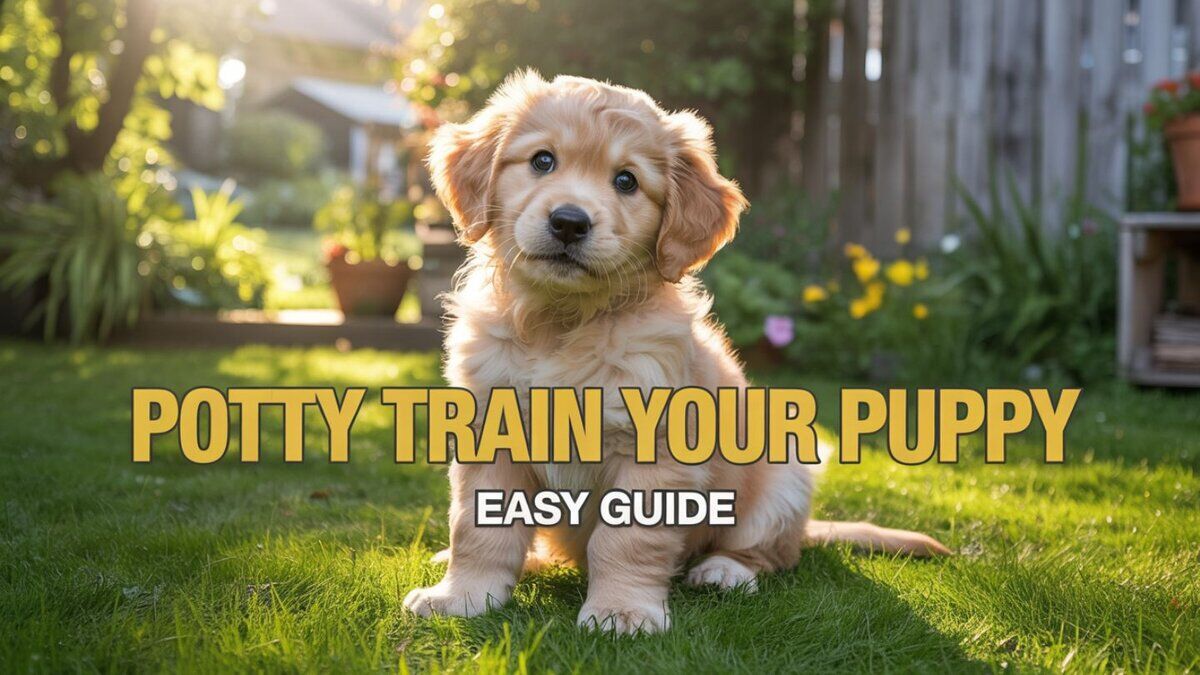
How To Potty Train A Dog Or Puppy
Potty training a dog or puppy requires consistency, patience, and a clear routine. This blog explains how to create a reliable schedule, recognize signs that indicate it is time to go outside, select a designated potty spot, and use rewards effectively. It also highlights crate training, calm accident management, and methods to reinforce good habits.
Establishing these practices from the start builds a cleaner, stress-free home and strengthens the bond between pet and owner. Whether house-training a new puppy or helping an older dog adapt to a new environment, these strategies support long-term success and a well-behaved companion.
Key Takeaways
- Establish a consistent potty schedule to help your puppy learn when to go outside.
- Recognize your puppy’s signals, like sniffing and whining, to prevent indoor accidents.
- Use positive reinforcement and crate training to encourage good potty habits.
Establish a Consistent Potty Training Schedule
A consistent puppy potty training schedule is vital for success, especially due to puppies’ small bladders and frequent bathroom needs. A regular schedule helps your puppy understand when it’s time for breaks, reinforcing good habits and reducing bladder control accidents.
Begin by taking your puppy outdoors at the following times, as most dogs are most likely to need to go:
- Immediately after waking up
- After meals
- After playtime
- Shortly after drinking water
Monitoring your well-trained dog pup and providing ample opportunity for spending time as a pet parent with frequent potty breaks in the correct area helps develop a good relationship with a new puppy and encourages pet parents to ensure they pee. With online puppy class virtual training, puppies can develop essential skills and confidence while owners follow a consistent schedule from home.
As your puppy grows, adjust the puppy potty training schedule as needed. Regularly taking them out helps reinforce the routine. Consistency and patience will be your best allies in this process to potty train a puppy.
Recognize Signs Your Puppy Needs to Go
Recognizing your puppy’s need to go is crucial for successful potty training. Most puppies signal this by sniffing around, circling, or whining, indicating they need to be taken outside immediately.
Take your puppy outside shortly after they eat or drink, as this is when they typically need to relieve themselves. Noting these patterns helps predict when they need to go out, preventing accidents.
Closely observing your puppy helps identify their signals. Promptly take them outside to the designated potty spot as soon as signs are noticed. This helps reinforce the behavior and makes potty training more effective. Consistency and positive reinforcement make teaching recall to your puppy easier, ensuring a dependable response every time you call.
Choose a Designated Potty Spot

A designated potty spot is crucial for successful training. A consistent potty area helps your puppy understand where to eliminate. Frequent visits to this spot reinforce the association.
Choose a potty spot close to your home for easy access. Keep the area clean and free of debris to encourage use. Soft surfaces like grass or turf can make your puppy more comfortable.
Take your puppy to the same location each time to help them associate it with bathroom breaks. Let them sniff around and praise them for using the designated potty spot. Consistency helps dogs identify their territory. Since early socialization shapes long-term behavior, puppy training should start before 16 weeks to build strong habits and confidence.
Use Positive Reinforcement
Positive reinforcement is a powerful tool for potty training. Immediately reward puppies with verbal praise or treats after they eliminate outdoors to encourage good behavior. Consistent rewards help them associate positive experiences with eliminating the outside.
To teach your puppy the right behaviors:
- Maintain consistency in rewards to avoid regressions.
- Use a specific phrase during bathroom breaks.
- Allow fun time afterward to reinforce good habits.
- Practice patience and positive reinforcement.
Clear routines and repeated cues provide dog training consistency, helping dogs understand expectations and maintain reliable obedience.
Supervise and Manage Indoors
Close supervision is essential to prevent indoor accidents. Tethering your puppy to you or furniture with a 6-foot leash helps you respond quickly to their needs. Baby gates can also restrict access to certain areas that are off-limits while you supervise.
Watch for common signals like sniffing the floor, pacing, or sitting by the door. Restlessness and licking their groin can also indicate a need to pee or a potty break.
If direct supervision isn’t possible, confine your puppy to a small area like a bathroom or laundry room that is blocked. This helps prevent accidents and keeps them safe until fully house-trained. To effectively house train a puppy, consistency is key. Incorporating basic obedience for working dogs, adding sit to your heel, improves control and strengthens the connection during daily tasks.
Crate Training for Potty Training
Crate training is a valuable potty training tool. Crates serve as a safe space where puppies typically avoid relieving themselves and minimize the risk of them damaging household items or getting into hazardous situations. This method helps to train them effectively.
The crate’s size is crucial. It must be large enough for your puppy to lie down, stand up, and turn around comfortably, especially for rapidly growing large breeds. If the crate is too large, your puppy may eliminate in one corner and sleep in another. Gradually building advanced obedience creates a well-mannered dog capable of responding accurately in complex situations.
After several hours in the crate, take your puppy directly to their designated potty spot. This reinforces the association between the crate and outdoor potty breaks, helping them learn the right habits.
Handle Accidents Calmly
Handling accidents calmly is crucial to avoid discouraging your puppy. If you catch them eliminating indoors, interrupt and take them outside immediately to finish. Redirecting them to their designated potty area reinforces the correct behavior. Factors such as breed, age, and daily practice influence how long dog training takes, shaping the overall timeline for success.
Clean up accidents quickly to prevent pet stains and odors. Use an enzymatic cleaner designed for pet waste to eliminate odors and prevent your puppy from returning to the same spot.
Implement a Feeding Schedule
A consistent feeding schedule helps predict when your puppy will need to go outside. Regular meal times prevent indoor accidents by making potty times more predictable. Typically, puppies should have three meals a day at the same time.
To minimize overnight accidents, remove the water bowl about two hours before bedtime.
Plan for When You’re Away
Plan for when you’re away to maintain your puppy’s potty training progress. Set up an indoor bathroom area with newspapers or puppy pads as a suitable spot. A litter box lined with various materials can also be a hygienic choice for indoor potty training.
Place the indoor potty area in a quiet location to provide privacy. When transitioning your puppy to outdoor potty spots, bring some materials from the indoor potty to help them understand where to go.
Troubleshooting Common Issues
Troubleshooting common issues is a normal part of the potty training process. Many factors, like stress from environmental changes and fewer potty breaks, can lead to regression. If your puppy has frequent accidents, consult a veterinarian to rule out underlying health issues.
To address repeated accidents in the same area, limit your puppy’s access to that room. Crate training can also be challenging for some puppies, especially if they do not see the crate as a safe space. An accident can occur if they are not properly trained, leading to more accidents.
Final Thoughts
Potty training a puppy requires patience, consistency, and a well-planned routine. Establishing a regular potty schedule, spotting early signs that your puppy needs to go, choosing a dedicated potty spot, and applying positive reinforcement create a strong foundation for house training. Supervision indoors, proper crate training, and calm handling of accidents all work together to ensure long-term success.
At Custom Canine Unlimited, our online puppy training course provides expert guidance and proven methods to make potty training easier and more effective. With nearly 20 years of experience and a team of former law enforcement and military K-9 handlers, we deliver professional advice, practical strategies, and access to exclusive CCU DRIVE Membership resources to help you and your puppy thrive.
Frequently Asked Questions
How often should I take my puppy outside for potty breaks?
To keep your puppy on track with potty training, make sure to take them outside immediately after they wake up, after meals, and after playtime, plus shortly after drinking water. This routine helps prevent accidents and reinforces good habits!
What are some common signs that my puppy needs to go outside?
If your puppy is sniffing around, circling, whining, pacing, or sitting by the door, it’s a clear sign they need to go outside. Pay attention to these behaviors to help prevent accidents indoors!
How can I choose a good designated potty spot for my puppy?
A great designated potty spot for your puppy should be close to home, clean, and made of soft surfaces like grass or turf to keep your little one comfortable. This way, they’ll feel at ease when it’s time to go!
What should I do if my puppy has an accident indoors?
If your puppy has an accident indoors, just stay calm and take them outside to their potty spot. Remember to clean the area with an enzymatic cleaner to stop them from wanting to go there again!
How can I manage potty training when I’m not home?
Setting up an indoor bathroom area with newspapers or potty pads is a great way to manage potty training when you’re not home. Just make sure it’s in a quiet spot for your pet to feel comfortable.
Share this article

Written by : AJ Vargas
AJ Vargas is a highly skilled Canine Trainer at Custom Canine Unlimited, bringing extensive hands-on experience in law enforcement, working dogs, and specialized K9 operations. With a deep commitment to public safety and canine performance optimization, AJ has trained and deployed working dogs in high-stakes environments, supporting law enforcement agencies and security teams across the country. His expertise spans obedience, detection, patrol work, and real-world deployment readiness, ensuring both dogs and handlers achieve operational excellence. At Custom Canine Unlimited, AJ continues to advance canine training standards, helping shape top-tier K9 teams that deliver measurable results in the field.
Follow us
A quick overview of the topics covered in this article.

