

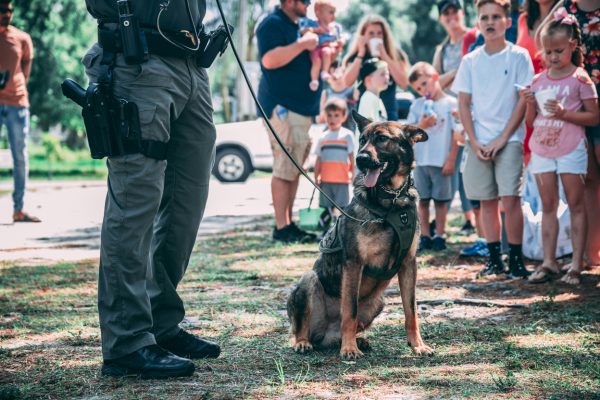
Navigating Challenges as a K9 Unit Supervisor: Strategies for Success
Navigating Challenges as a K9 Unit Supervisor: Strategies for Success
Leading a K9 unit is a demanding role that requires a unique blend of leadership, expertise in canine handling, and effective management skills. K9 unit supervisors are tasked with overseeing the training, deployment, and welfare of highly specialized dogs and their handlers. In this blog post, we’ll explore some of the key challenges faced by K9 unit supervisors and discuss strategies to address them effectively, while also highlighting how specialized training can provide valuable support and knowledge.
1. Training and Development
One of the primary responsibilities of a K9 unit supervisor is to ensure that both dogs and handlers receive adequate training and development. This includes maintaining high standards of performance, keeping up with evolving techniques and methodologies, and addressing any training gaps or deficiencies.
Addressing It: Enrolling in specialized training courses, such as CCU’s K9 Supervisor Online Course, can equip supervisors with advanced knowledge in K9 handling, training methodologies, and leadership skills. This course provides insights into best practices for training programs, handling behavioral issues, and optimizing performance, thereby enhancing the supervisor’s ability to lead effectively.
2. Resource Management
Effective resource management is crucial for the smooth operation of a K9 unit. Supervisors must balance budgetary constraints, equipment needs, and staffing requirements while ensuring that the unit remains adequately resourced to fulfill its operational objectives.
Addressing It: The CCU’s K9 Supervisor Online Course emphasizes strategies for resource optimization and budget management within a K9 unit context. Learning how to prioritize spending, allocate resources effectively, and justify budget requests are essential skills covered in the course, empowering supervisors to make informed decisions that support the unit’s operational readiness.
3. Team Dynamics and Morale
Maintaining positive team dynamics and high morale among handlers and support staff is essential for the overall effectiveness of a K9 unit. Supervisors must foster a supportive and cohesive team environment, address conflicts or challenges promptly, and ensure that all team members feel valued and motivated.
Addressing It: The CCU’s K9 Supervisor Online Course includes modules on leadership and team management strategies specific to K9 units. Supervisors learn techniques for building trust, fostering collaboration, and boosting morale within their teams. By implementing these strategies, supervisors can create a positive work culture that enhances performance and retention among handlers and support staff.
4. Legal and Ethical Considerations
Navigating legal and ethical challenges is inherent to the responsibilities of a K9 unit supervisor. This includes ensuring compliance with laws and regulations governing K9 operations, handling public relations issues, and making decisions that uphold ethical standards in animal welfare and law enforcement.
Addressing It: The CCU’s K9 Supervisor Online Course provides supervisors with insights into legal frameworks and ethical guidelines relevant to K9 operations. Understanding legal liabilities, navigating regulatory requirements, and implementing ethical decision-making frameworks are critical components of the course, enabling supervisors to mitigate risks and uphold professional standards.
5. Continuous Professional Development
Staying updated with advancements in K9 training, handling techniques, and leadership practices is essential for K9 unit supervisors to remain effective in their roles. Continuous professional development ensures that supervisors can adapt to changing circumstances, implement best practices, and foster innovation within their units.
Addressing It: The CCU’s K9 Supervisor Online Course offers ongoing professional development opportunities through access to updated content, webinars, and networking opportunities with industry experts. Supervisors can stay informed about emerging trends, participate in discussions on best practices, and expand their professional network, thereby enhancing their expertise and leadership capabilities.
Being a K9 unit supervisor comes with its challenges, but with the right knowledge, skills, and support, these challenges can be effectively managed.
The CCU’s K9 Supervisor Online Course is designed to equip supervisors with the specialized training and resources needed to excel in their roles. By addressing training needs, enhancing resource management skills, fostering team dynamics, navigating legal and ethical considerations, and prioritizing continuous professional development, supervisors can lead their K9 units with confidence and success.
For more information about how CCU’s K9 Supervisor Online Course can benefit you or your organization, visit our Online Store to learn more and enroll today.
Share this article

Written by : Mia Simpson
Follow us
A quick overview of the topics covered in this article.

