

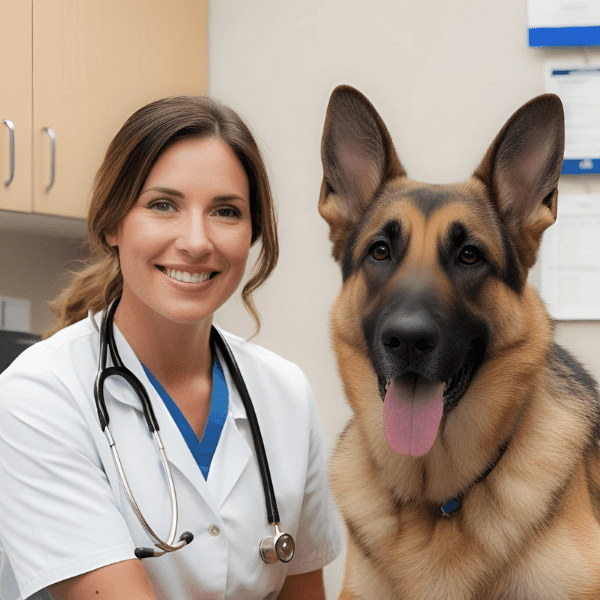
Preventative Care for Dogs: Why It Matters and How to Get It Right
Preventative care for dogs is one of the most powerful tools in ensuring your dog lives a long, healthy life. It’s about more than just routine checkups—it’s a proactive approach that shields your dog from the discomfort, illness, and even danger caused by parasites and preventable diseases. By understanding the importance of flea and tick control, deworming, heartworm prevention, and proper kennel management, you can give your dog the quality of life they deserve.
The Importance of Flea and Tick Prevention
Fleas and ticks are more than a nuisance. These parasites can transmit serious diseases that affect both dogs and humans. Fleas can cause allergic reactions, anemia, and spread tapeworms, while ticks are known carriers of Lyme disease, Rocky Mountain spotted fever, and ehrlichiosis. Without prevention, these tiny pests can quickly turn into a major health issue.
There are several trusted options available when it comes to flea and tick control. We recommend speaking with your dog’s veterinarian on which option is best for your canine. Since ticks can transmit disease within just a few hours of attachment, consistent protection is vital—especially in warmer climates or wooded areas where tick populations are high.
Worms: A Silent but Serious Threat
Another crucial part of preventative care for dogs is protecting them from internal parasites. Worms such as roundworms, hookworms, and tapeworms can cause vomiting, diarrhea, weight loss, and even organ damage if left untreated. Puppies are particularly vulnerable, but adult dogs aren’t immune.
Many of these worms can be picked up through contaminated soil or feces, and some are zoonotic, which means they can be transmitted to humans. Regular deworming, proper sanitation, and avoiding high-risk areas are all effective ways to reduce the risk of infestation.
Heartworm Prevention Saves Lives
Heartworm disease is one of the most dangerous and preventable conditions that can affect dogs. Spread by mosquitoes, heartworms can grow up to a foot long and take up residence in a dog’s heart and lungs, causing irreversible damage. Often, symptoms aren’t noticeable until the disease is well advanced—coughing, fatigue, and eventual heart failure are common signs.
Prevention is simple and highly effective. Monthly heartworm medications, paired with annual testing, ensure your dog remains protected. Since treatment is both costly and risky, it’s far better to prevent heartworms than try to cure them.
Going Beyond the Basics with Kennel Management Training
Preventative care doesn’t stop at medication—it extends into how dogs are housed, monitored, and managed daily, especially in kennel environments. If you’re operating or planning to open a kennel, being prepared means understanding everything from infection control to behavior monitoring.
Custom Canine Unlimited’s Kennel Master Course is a two-week, in-depth training program designed for those serious about canine care and kennel operations. This course covers the essentials: canine diseases and infections, common injuries, interpreting dog body language, and best practices for running a healthy, efficient kennel. It’s ideal for aspiring kennel operators, trainers, or anyone managing dogs in a group setting.
Why Preventative Care for Dogs Should Be a Priority
Preventative care for dogs is about foresight—staying a step ahead of illness, discomfort, and crisis. By investing time in monthly preventatives, regular vet visits, and quality care practices, you’re setting your dog up for a longer, happier life. And if you’re looking to deepen your understanding and skillset, especially in a professional setting, Custom Canine Unlimited’s Kennel Master Course is a great next step.
To learn more and get started, visit Custom Canine Unlimited’s Kennel Master Training. It’s not just about running a kennel—it’s about raising the standard of care for every dog that walks through your door.
Disclaimer:
This article is for informational purposes only and is not a substitute for professional veterinary advice, diagnosis, or treatment. Always consult with your veterinarian before starting your dog on any medication, preventative treatment, or health regimen. Your vet can provide recommendations tailored specifically to your dog’s age, breed, health status, and lifestyle.
Share this article


