

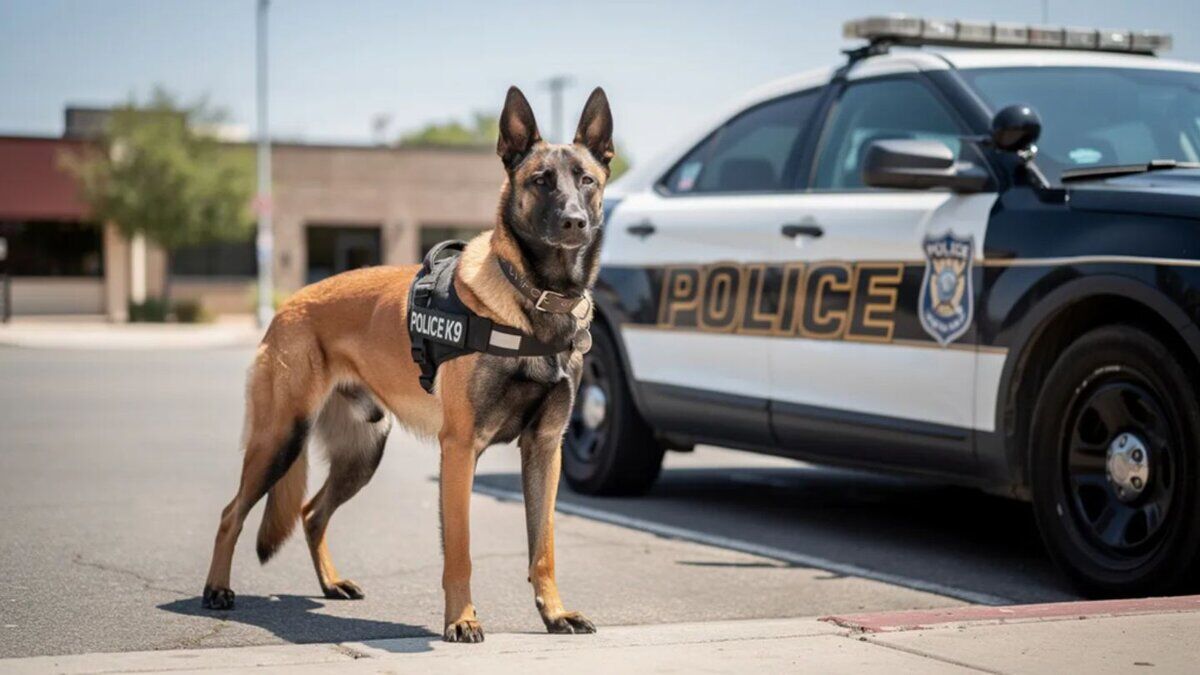
Understanding the Difference Between Single-Purpose and Dual-Purpose K9
Choosing between single-purpose and dual-purpose K9 teams is a critical decision for any law enforcement agency. Each model offers distinct advantages depending on operational needs, staffing levels, and budget constraints. Single-purpose K9s focus on one specialized task, such as detection or tracking, while dual-purpose K9s combine patrol duties with detection capabilities. In this blog, we’ll break down the key differences, training considerations, and real-world applications of both types. The goal isn’t to decide which is better overall, but to help you determine which option best aligns with your agency’s real-world demands and mission requirements.
Key Takeaways
- Single-purpose K9 teams are trained and certified in one discipline, such as drug detection, explosive detection, or tracking, while dual-purpose K9 teams combine patrol skills (handler protection, suspect apprehension) with detection work.
- Detection accuracy can be comparable between single-purpose and dual-purpose dogs when both receive consistent, quality maintenance training from skilled handlers.
- Staffing levels, call volume, high-risk warrant frequency, and the agency’s overall risk profile typically matter more than theory when deciding between single and dual purpose configurations.
- Dual-purpose K9s require more training hours to maintain proficiency across multiple disciplines, but they can reduce the number of handlers needed for mixed-mission deployments.
What Is a Single Purpose K9?

A single-purpose K9 is a dog trained and certified in one primary discipline. This might be drug detection, explosive detection, tracking, or patrol-only work without any detection capabilities. The defining characteristic is focus: one task, one mission set.
Single-purpose K9 teams spend the vast majority of their training hours, often approaching 100%, on that single discipline. This concentrated approach can lead to exceptionally strong performance in high-volume detection scenarios. When a canine team dedicates all its working sessions to odor recognition, search patterns, and indication behaviors, proficiency in that area tends to sharpen significantly.
Common examples of single-purpose deployments include:
| Single Purpose Type | Typical Deployment |
| Drug detection only | Roadside interdiction, vehicle searches |
| Explosive detection only | Stadiums, courthouses, transit systems |
| Tracking only | Rural search operations, article searches |
| Patrol only (no detection) | Handler protection or suspect apprehension without odor work |
Single-purpose dogs are often deployed in environments where apprehension or handler protection isn’t necessary. A bomb dog working event security at a concert venue, for instance, doesn’t need bite training, which would introduce unnecessary liability and training complexity.
Many departments select single-purpose dogs from retriever or spaniel breeds for pure detection work. These breeds often excel at odor detection in cluttered, non-confrontational settings. For single-purpose patrol or tracking without detection, herding breeds remain popular choices due to their drive and athleticism.
What Is a Dual Purpose K9?
Dual-purpose K9 teams combine patrol functions, handler protection, suspect apprehension, building searches, and area searches, with detection capabilities for target odors like drugs or explosives. These dual-purpose canines essentially perform the work that might otherwise require two dogs. German Shepherds and similar working breeds often require specialized approaches, as their intelligence, drive, and working instincts demand structured, purpose-driven training methods tailored to high-performance roles like patrol, detection, and tracking.
This configuration is common in medium-sized and smaller departments where staffing limitations make it impractical to maintain separate patrol dogs and detection dogs. One handler-dog team covers multiple mission requirements, maximizing limited personnel resources. Many departments find this approach essential when they can’t justify the cost of multiple dogs and handlers for specialized roles.
Dual-purpose K9s must maintain proficiency across several disciplines simultaneously:
- Obedience under distraction
- Controlled aggression for apprehension
- Building and area searches
- Tracking across varied terrain
- Detection work (drugs, explosives, or both)
In the United States, dual-purpose patrol dogs are most commonly Belgian Malinois, German Shepherd Dogs, or Dutch Shepherds. These breeds are favored for their drive, high energy, athletic capability, and resilience under demanding conditions. German Shepherds and Malinois in particular offer the behavioral adaptability needed to switch seamlessly between tracking a fleeing suspect and alerting to contraband during a vehicle search.
The trade-off? More training hours are required to keep all skills sharp. Consistent in-service training and active supervision become critical for dual-purpose K9 teams. Without structured schedules that address every discipline, skills can atrophy, particularly in whichever area gets the least real-world deployment.
Operational Roles: How Single and Dual Purpose K9 Teams Are Used
The practical question agencies should ask isn’t theoretical; it’s operational. How often do you need apprehension capabilities? Handler protection? Detection services? The answers shape the right K9 configuration.
Single Purpose K9 Deployments
Single-purpose canines typically handle focused, repetitive missions:
- Drug interdiction: Roadside vehicle searches, parcel facility inspections
- Explosive detection: Event security, transportation hubs, courthouse sweeps
- Tracking: Rural search and rescue, article searches after crimes
- Cadaver detection: Locating human remains in criminal investigations or disasters
These teams excel when an agency has high-volume, specialized needs. A transit authority processing thousands of passengers daily might deploy multiple single-purpose detection dogs across stations, terminals, and vehicles. The dogs don’t need apprehension skills; dedicated officers provide security while the animal works.
Dual Purpose K9 Deployments
Dual-purpose teams handle mixed shifts that can pivot between roles:
- Start on patrol calls, building searches, felony stops, crowd control
- Transition to detection deployments, vehicle sniffs, warrant service, and school searches
- Support SWAT operations with both tracking and apprehension capabilities
The operational advantage is coverage. One dog and handler can assist on a high-risk warrant service (providing apprehension capability), then conduct a vehicle search for drugs during a traffic stop an hour later. This versatility reduces the need for multiple teams or extra officers to provide security during searches.
Mapping Your Agency’s Needs
Command staff should map their last 12-24 months of calls for service. Look at:
- How many deployments required apprehension or handler protection?
- How many were detection-only?
- How often did a single call require both capabilities?
This data-driven approach reveals whether your real workload favors single-purpose specialists or dual-purpose generalists. Trainer experience suggests agencies can see 20-50% efficiency gains when their K9 configuration aligns with actual call patterns.
Training Focus and Accuracy: Single vs Dual Purpose Detection Work
A common assumption is that single-purpose detection dogs must be more accurate than their dual-purpose counterparts. After all, they focus on one job exclusively. But the research tells a more nuanced story. Training timelines can vary significantly depending on the dog’s role, especially when evaluating how long dog training takes for single versus dual-purpose K9 development.
Studies from 2020 examining detection dog performance found no statistically significant difference in drug detection accuracy between single-purpose and dual-purpose K9 teams when training standards were comparable. The key phrase there: “when training standards were comparable.”
Training Differences in Practice
Single-purpose detection dogs can devote nearly all working training time to:
- Search pattern development
- Indication behavior (passive sit, alert bark)
- Odor recognition and imprinting
- Distraction proofing
This simplified training plan makes program administration straightforward. The handler focuses entirely on building detection excellence. Even advanced working dogs rely on strong foundational principles, making it essential to understand dog training for beginners as the base for building reliable performance. Dual-purpose K9 teams need structured schedules balancing multiple disciplines:
| Discipline | Training Focus |
| Obedience | Control under distraction |
| Apprehension | Controlled aggression, re-attack protocols |
| Tracking | Terrain variation, odor aging |
| Detection | Odor recognition, search patterns, and indication |
Many programs target specific benchmarks: at least 90% correct positive alerts with no more than approximately 10% false alerts during formal evaluations. These standards apply equally to single and dual-purpose teams.
What Actually Drives Accuracy
Field accuracy depends more on these factors than on whether a dog is single or dual purpose:
- Handler skill and consistency
- Realistic training environments with minimal distractions (distractions provide proof of training)
- Clear, unambiguous alert behaviors
- Regular maintenance training (many agencies target at least 16 hours monthly per K9 team)
A properly trained dual-purpose dog with a skilled handler and solid maintenance program will outperform a single-purpose dog with inconsistent training. The deployment model matters less than the commitment to excellence.
Liability, Risk Management, and Community Perception
Agency leadership must weigh liability differently depending on whether they deploy single or dual-purpose K9 teams. The risk profiles are distinct, and policy frameworks need to reflect those differences.
Dual Purpose Patrol Dogs: Use of Force Considerations
- Dual purpose K9s that can apprehend suspects introduce use-of-force liability. Key risk areas include:
- Apprehension bites: Every bite is a use of force requiring documentation and justification
- Report writing: Detailed narratives explaining deployment decisions
- Body-worn camera footage: Visual documentation of K9 deployments
- Deployment thresholds: Clear policies on when apprehension is authorized (find-and-bite vs. guard-and-bark approaches)
- Re-attack scenarios: Handling resisting suspects after initial apprehension
Agencies need robust policies, regular legal review, and ongoing handler training to manage these risks. The potential for danger to suspects and the scrutiny that follows require meticulous documentation.
Single Purpose Non-Apprehension Dogs: Evidentiary Concerns
- Single-purpose detection dogs face different primary risks:
- Search legality: Ensuring deployments comply with Fourth Amendment requirements
- Probable cause: Proper documentation of alert behaviors that justify searches
- Search pattern documentation: Recording systematic approaches to vehicle or area searches
- Certification reliability: Maintaining credentials that support courtroom testimony
Lower physical force liability, but higher evidentiary burdens. False alerts that don’t hold up in court can erode an agency’s credibility and jeopardize cases.
Community Perception
- How the community perceives K9 teams varies:
- Single-purpose detection dogs may appear less intimidating, easing acceptance in schools, community events, or sensitive locations
- Dual-purpose patrol/detection K9s can build trust when policies and training are clearly communicated to the public
Agencies should integrate their K9 program decisions into broader community engagement, policy updates, and regular service training for both handlers and supervisors. Transparency about capabilities, training standards, and deployment guidelines helps build the trust that makes K9 programs effective.
Choosing Between Single-Purpose and Dual-Purpose K9 for Your Agency
There’s no universal answer here. The “right” choice depends on mission requirements and available resources, not preferences or assumptions about what a police K9 program “should” look like. Similar to evaluating specialized roles, agencies can benefit from understanding whether service dog training is right for you when considering how task-specific training impacts long-term performance and suitability.
Key Evaluation Questions
Before deciding, work through these factors:
| Factor | Questions to Ask |
| Staffing | How many handlers can we support? What’s our shift coverage? |
| Call volume | How many K9-specific calls do we handle monthly? |
| High-risk operations | How often do we serve warrants or handle dangerous situations requiring apprehension? |
| Detection needs | How frequently do we need drug or explosive detection? |
| Geographic coverage | Do we need K9s across multiple shifts or locations? |
When Dual Purpose Makes Sense
Agencies with very limited personnel who still handle many high-risk calls often lean toward dual-purpose K9 teams. The logic is straightforward: one handler covers patrol protection plus detection, reducing total personnel costs while maintaining capability for building searches, warrant service, and vehicle inspections. Smaller departments particularly benefit. When you can only justify one canine team, that team needs to handle whatever comes, whether it’s a fleeing suspect or a drug search.
When Single Purpose Makes Sense
Agencies focused heavily on event security, transportation hubs, or large-scale interdiction operations often see more value in multiple single-purpose detection teams. A stadium authority doesn’t need patrol dogs roaming the parking lot; they need efficient explosive detection coverage across multiple entry points. Similarly, a rural tracking dog program might deploy single-purpose canines exclusively for search operations where apprehension isn’t required.
Planning for Long-Term Costs
- Regardless of which model you choose, budget for the full lifecycle:
- Initial purchase: Quality dogs from reputable programs
- Handler training: Initial certification courses and ongoing education
- Monthly training hours: Staff time for maintenance (16+ hours minimum per team)
- Equipment: Vehicles, kennels, detection aids, patrol gear
- Veterinary care: Routine and emergency medical support
- Periodic re-certification: Maintaining credentials and court reliability
Dual-purpose programs may have higher ongoing training costs but lower overall personnel costs. Single-purpose programs may require more teams but simpler individual training plans. Run the numbers for your specific situation.
Final Thoughts
Selecting between single-purpose and dual-purpose K9 teams ultimately comes down to aligning your agency’s real-world operational demands with available resources. Factors such as call volume, staffing levels, risk exposure, and the frequency of detection versus apprehension tasks play a far greater role than theory alone. Both models can deliver exceptional results when supported by structured training, experienced handlers, and consistent performance standards in real-world environments.
For agencies and individuals exploring professional K9 development, Custom Canine Unlimited stands out as a trusted provider of dog training in Gainesville, offering a wide range of programs tailored to different needs. Their services include immersive Board and Train programs for obedience and behavior transformation, flexible daily training options for busy schedules, and personalized one-on-one dog training for targeted skill development. For those pursuing a professional career in the K9 field, the working dog trainer course provides comprehensive, hands-on education in detection, tracking, and patrol work. Backed by experienced trainers and real-world expertise, these programs are designed to build reliable, high-performing K9 teams across civilian, law enforcement, and working dog applications.
Frequently Asked Question
Is a dual-purpose K9 always a better value than a single-purpose K9?
Not necessarily. While dual-purpose K9s handle multiple tasks with one handler, they require intensive ongoing training. Agencies focused mainly on detection may benefit more from multiple single-purpose teams. Value depends on how often each capability is actually used.
Do single-purpose K9s have higher detection accuracy than dual-purpose K9s?
No consistent evidence shows a major accuracy difference. When training standards are equal, both perform similarly. Accuracy depends more on handler skill, consistent training, and clear communication than on the K9 type.
Which breeds are commonly used?
Dual-purpose K9s are typically Belgian Malinois, German Shepherds, and Dutch Shepherds. Single-purpose detection dogs may include retrievers, spaniels, or herding breeds. Selection should focus on temperament and working ability rather than breed alone.
Share this article

Written by : AJ Vargas
AJ Vargas is a highly skilled Canine Trainer at Custom Canine Unlimited, bringing extensive hands-on experience in law enforcement, working dogs, and specialized K9 operations. With a deep commitment to public safety and canine performance optimization, AJ has trained and deployed working dogs in high-stakes environments, supporting law enforcement agencies and security teams across the country. His expertise spans obedience, detection, patrol work, and real-world deployment readiness, ensuring both dogs and handlers achieve operational excellence. At Custom Canine Unlimited, AJ continues to advance canine training standards, helping shape top-tier K9 teams that deliver measurable results in the field.
Follow us
A quick overview of the topics covered in this article.
- Key Takeaways
- What Is a Single Purpose K9?
- What Is a Dual Purpose K9?
- Operational Roles: How Single and Dual Purpose K9 Teams Are Used
- Training Focus and Accuracy: Single vs Dual Purpose Detection Work
- Liability, Risk Management, and Community Perception
- Choosing Between Single-Purpose and Dual-Purpose K9 for Your Agency
- Final Thoughts
- Frequently Asked Question


