

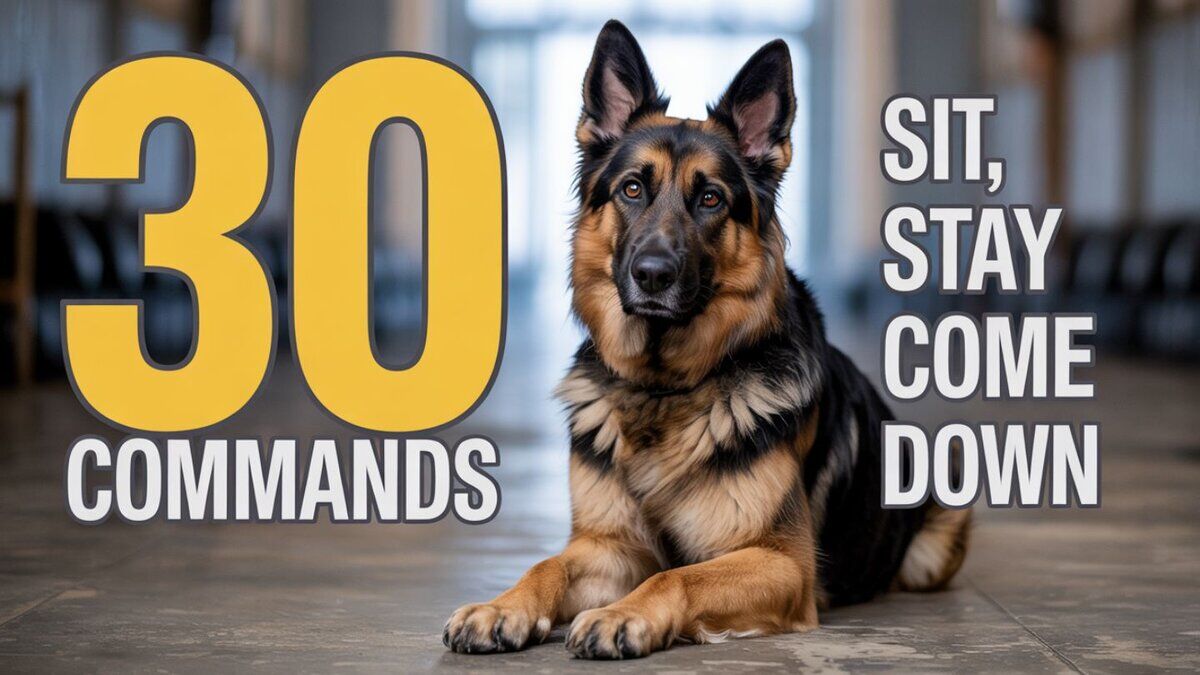
30 Commands to Teach Your Dog
Training your dog is a rewarding journey that strengthens the bond between you and your furry friend while promoting good behavior and safety. Whether you’re a new puppy owner or looking to enhance your dog’s skills, mastering the right commands is essential. This comprehensive blog covers some main commands to teach your dog, ranging from basic obedience to advanced tricks and practical safety cues. With consistent practice and positive reinforcement, you can help your dog become a well-mannered, happy companion. Let’s dive into the essential commands that will make training both effective and fun for you and your pup.
Key Takeaways
- Foundational commands like ‘sit’, ‘down’, and ‘stay’ are essential for a well-behaved dog, ensuring obedience and safety.
- Positive reinforcement and consistent practice are crucial for effectively teaching commands and managing dog behavior.
- Advanced and practical commands not only enhance your dog’s training and obedience but also improve integration into daily family life.
Foundational Commands for All Dogs
Foundational commands are the building blocks of a well-behaved dog. These basic instructions ensure obedience and safety, making daily life smoother and keeping the dog protected. Commands must be clear and consistent so the dog associates each cue with a specific action.
Understanding how often you should train your dog is key to maintaining progress. Short, focused sessions, about two to three times a day for 10 to 15 minutes, reinforce learning without overwhelming the animal. This steady routine strengthens retention and builds reliable responses over time. Here are the most important foundational commands every dog should know.
Sit
The ‘sit’ command is often the first command taught to dogs and serves as a foundation for teaching more complex commands. Here’s how to teach it:
- Guide your dog’s head up with treats.
- Reward them when their rear touches the floor.
- When your dog starts to sit during training, reward them with a treat or toy; this positive reinforcement encourages them to repeat the behavior.
This command is crucial for safety and good dog etiquette, managing your dog’s behavior in various situations.
Consistent practice of the ‘sit’ command builds responsiveness and makes daily interactions easier to manage. Whether waiting at the door before a walk or settling before playtime, ‘sit’ remains an essential cue for structure and calm behavior.
Consistency in dog training is key to achieving lasting results. Short, enjoyable sessions with immediate rewards reinforce the behavior and help your dog understand expectations, turning the command into a dependable part of everyday routines.
Down
The ‘down’ command helps curb hyperactivity by encouraging dogs to settle and relax. Use a treat to guide them down to the floor, rewarding them when their belly is on the ground. This command is particularly useful when you need your dog to calm down in stressful situations or when they’re being overly energetic.
Guide your dog into lying down and praise them with a treat when they succeed. Consistent practice will make your dog more comfortable and obedient in various scenarios, from vet visits to family gatherings.
The ‘down’ command is a useful tool for managing your dog’s behavior, ensuring they remain calm and composed.
Stay
The ‘stay’ command is vital for keeping dogs safe by preventing them from moving into hazardous areas. Commands like ‘stay’ or ‘wait’ can prevent your dog from entering dangerous situations, such as running into the street. To teach this command:
- Have your dog sit.
- Back away from your dog.
- Reward them when they remain seated.
- Give them a treat if they stay put when practicing ‘stay’.
The dog can be in any position, but ‘sit’ or ‘down’ is preferred when learning the ‘stay’ command. Practice consistently to ensure they respond reliably in all situations. This command is a crucial part of your training routine, helping to keep your dog safe and well-behaved.
Come
The ‘come’ command is essential for effective recall in various situations, reinforcing safety and control. To teach this command:
- Get your dog’s attention with a treat or toy before giving the command.
- If your dog does not come when called, use a leash to guide them to you.
- After your dog responds to the ‘come’ command, reward them with a treat to reinforce the behavior.
Training to respond to the ‘come’ command requires consecutive days of practice. This command ensures your dog returns to you promptly, whether they’re in the backyard or at the park. Consistent practice will make this an automatic response for your dog, enhancing their safety and your peace of mind.
Heel
Training a dog to ‘heel’ builds disciplined walking behavior, keeping them close and preventing leash pulling. This command enhances control during walks, making every outing safer and more enjoyable for both handler and dog.
Incorporating basic obedience for working dogs, adding sit to your heel, strengthens this skill by teaching the dog to sit automatically when you stop, reinforcing focus and patience. Begin with your dog on the left side, guide them with treats, and reward calm, steady movement. Consistent practice ensures reliable, polite walking in any environment.
Commands for Managing Behavior

Managing your dog’s behavior is crucial for a harmonious household. Key steps include:
- Teaching basic commands like ‘sit’ and ‘down’ to lay the groundwork for more advanced behavior management.
- Establishing a routine for bathroom breaks.
- Using consistent phrases to help dogs understand when it’s time to go outside.
- Rewarding your dog immediately after they eliminate outside reinforces positive behavior.
Here are some dog commands that will help manage your dog’s behavior effectively.
Off
Teaching the ‘off’ command helps establish boundaries, preventing dogs from invading personal spaces or furniture. This command can also prevent undesirable jumping behavior. To teach the ‘off’ command:
- Catch your dog in the act of jumping up.
- Promptly use a firm voice to command them down.
- Use a treat in a fist.
- When the dog backs down, say ‘off’.
- Reward them with the treat.
Consistent practice and positive reinforcement will help your dog understand and respect personal boundaries. This command is particularly useful in maintaining a clean and orderly home, free from unwanted dog hair on furniture and guests. Patience and consistency will help your dog learn the command more effectively.
Leave It
The ‘leave it’ command is crucial for maintaining focus during walks, teaching dogs to disregard distractions like food or other animals. For the ‘leave it’ command, show the dog two treats and reward them only when they ignore the tempting one.
Hold two treats, show one, close your hand, and reward when the dog loses interest. This command ensures your dog stays focused and avoids potentially harmful items on the ground.
No
The ‘no’ command keeps your dog out of trouble by immediately communicating disapproval of undesirable actions. To teach ‘no’, use a leash, place a treat on the floor, and slightly pull the leash while saying ‘no’.
This immediate corrective measure helps your dog understand what new behavior is unacceptable, promoting better behavior overall.
Quiet
The ‘quiet’ command helps manage excessive barking, ensuring a peaceful environment. First, train your dog to ‘speak’, then reward them for being silent on command to stop barking.
This command is fairly simple to teach and can significantly reduce noise levels, making life more pleasant for everyone in the household.
Wait
The ‘wait’ command is valuable for controlling your dog’s movements, ensuring they do not rush through openings like doors. It helps control your dog’s impulse to rush out of doors or gates, promoting patient behavior.
‘Wait’ can be instrumental in teaching dogs to hold back from rushing through doorways. Consistent practice will make your dog more patient and better behaved in everyday situations.
Fun Tricks for Bonding and Entertainment
Fun tricks are a great way to enhance the bond between you and your dog while providing entertainment. Commands like ‘hug’ can foster a strong bond and improve your dog’s ability to perform dog tricks.
Utilizing different heights during jump training can improve your dog’s confidence and jumping ability. Here are some fun tricks that will keep your dog engaged and entertained.
Shake
The ‘shake’ command is a simple dog trick that can be taught for greeting people. To teach a dog to wave, train them to shake paws first, then use that action to lift their paw for waving.
It typically takes a few short training sessions to teach a dog to shake paws. This trick is a fun and engaging way to interact with your dog, making them the star of any gathering.
Roll Over
The ‘roll over’ command can be introduced as a fun trick for your dog to learn. Breaking it down into smaller steps facilitates easier learning. Reward your dog at each stage to reinforce learning.
Encourage persistence and patience while your dog learns the roll over trick. This trick is both entertaining and a great way to keep your dog mentally stimulated.
Play Dead
Impress friends by teaching your dog to play dead, starting from the down position. Here’s how to do it:
- Teach your dog to lie down before introducing the playing dead command.
- Train your dog to roll over.
- Use a finger gun gesture and the command ‘bang’ to signal the play dead behavior.
Encourage consistent practice so your dog becomes confident in performing the trick on command. This trick is sure to be a crowd-pleaser at any event.
Spin
The ‘spin’ command is a fun trick that can add excitement to your training sessions. Use a treat to lure them and teach your dog to spin in circles. Increase the complexity by teaching your dog specific directions, like left or right.
This trick not only entertains but also helps improve your dog’s agility and coordination.
Take a Bow
Taking a bow is a natural behavior for dogs that can be harnessed into a cute trick. The ‘take a bow’ trick involves the dog putting its chest to the ground while raising its rear, showcasing its dog’s nose.
Utilize your dog’s natural playfulness in training to encourage them to take a bow. This trick is sure to delight and impress anyone who sees it, adding an extra layer of charm to your dog’s repertoire.
Advanced Commands for Well-Trained Dogs
For dogs that have mastered basic commands, the next step is building advanced obedience to strengthen focus and showcase higher-level skills. Advanced training sharpens problem-solving abilities, deepens communication with the handler, and highlights a dog’s full potential.
Combining visual cues with verbal instructions further improves comprehension and response, creating a seamless connection between command and action. Here are some advanced commands that elevate a dog’s abilities and reinforce dependable behavior in any setting.
Fetch
Playing fetch tires your dog out mentally and physically, while also building their muscles. Start teaching fetch by:
- Throwing the ball a short distance and gradually increasing the distance.
- Using a toy or ball your dog likes.
- Giving frequent rewards to encourage retrieval.
It is crucial for the dog to learn to return the object to the owner for effective play; reward them with treats and attention when they do. This command provides both exercise and mental stimulation, making it a valuable addition to your training routine.
Speak
The ‘speak’ command can be both fun and functional. Here’s how to use it effectively:
- Monitor your dog and say ‘speak’ before they bark.
- Reward your dog with a treat each time they respond.
- Say ‘speak’ loudly each time to reinforce the command.
This command is particularly useful for locating your dog when they’re outside or hiding.
Incorporating this command into your training sessions can add an element of fun while enhancing your ability to communicate with your dog.
Hug
The ‘hug’ command is a heartwarming trick that enhances the bond between you and your dog. Start by training your dog to lift their front legs using basic commands. Repetition is key for dogs to learn new tricks effectively.
To teach your dog to hug, guide them to lift their front legs onto your arm. This command will surely melt hearts and strengthen the connection you share with your furry friend.
Stand
The ‘stand’ command is useful for various scenarios, from grooming to vet visits. Use the command ‘stand’ to teach your dog to stand on all fours or its hind legs. Encourage the dog to maintain a vertical posture by holding a treat above its head and rewarding them immediately when they are standing.
Consistently practice the command with your dog, gradually increasing the duration of the stand position before rewarding. This command enhances your dog’s obedience and responsiveness.
Jump
The ‘jump’ command can be a fun trick that builds your dog’s agility and confidence. Use hurdles or arms for the dog to jump safely. Begin training by:
- Having your dog sit.
- Using a treat to guide them over the hurdle.
- Rewarding them for successfully jumping.
- Encouraging them to repeat the action.
This trick not only entertains but also provides physical exercise, making it a valuable addition to your dog’s training routine.
Practical Commands for Everyday Life
Practical commands enhance a dog’s integration into daily family activities, promoting a harmonious household. Commands like ‘wait’ and ‘off’ help manage behavior in different settings, ensuring respect for boundaries and appropriate conduct. Daily, structured practice strengthens obedience and supports consistent routines.
Recognizing how German Shepherd training varies from normal dog training underscores the need for breed-specific adjustments. Their intelligence and high energy require focused, engaging sessions that balance mental challenges with clear guidance. Let’s explore some of the most important practical commands that are essential for everyday life, such as the word command.
Bed
The ‘bed’ command is useful for establishing a designated resting area for your dog. Lead them on a leash to their resting area and reward them when they get there. Having a designated resting area encourages calmness and helps your dog understand where they should go to relax.
Consistently rewarding your dog every time they go to their designated area reinforces this behavior, making it a valuable tool for maintaining order and calmness in the household.
Handle Your Business
Teaching your dog a command for bathroom breaks is essential for effective housetraining. Choose a command like ‘go pee’, ‘go potty’, or ‘outside’ to signal to your dog it’s time for bathroom breaks. Consider teaching your dog to ring a bell to communicate their need to go outside.
To help your dog learn housetraining:
- Be consistent with the timing and opportunities for potty breaks.
- Remember that housetraining typically takes a few months, so patience and consistency are key.
- Reward your dog when they go to the bathroom outside to reinforce positive behavior.
Leash
Leash training is crucial for smooth and enjoyable walks. Teaching dogs to move over their leash can help avoid tangling during walks, making outings smoother. Wrap the leash around their front paw, enlarge the loop, and encourage them to lift their paw.
This command ensures that your walks are more pleasant and free from frustrating tangles, enhancing your overall walking experience with your dog.
Car
Integrating a command to enter and exit the car can promote calm behavior during car rides. Establishing a command to slowly bring your dog to behave calmly during travel can help your dog learn to behave calmly during travel.
Calm entry and exit from cars can be taught using the command associated with car travel. This command ensures that car rides are stress-free and enjoyable for both you and your dog.
Place
The ‘place’ command is beneficial for creating a designated area where dogs can relax and feel secure. Guide the dog to a designated area for relaxation and reward them when they stay there. This command encourages dogs to relax in a specific area, enhancing their calmness.
The ‘place’ command helps dogs find a designated spot, promoting a sense of security and order in the household.
Commands for Safety and Emergency Situations
Commands for safety and emergency situations are crucial for keeping your dog out of harm’s way. Knowing basic commands lessens the likelihood of dogs running into traffic or getting lost. Essential commands like ‘come’ and ‘stay’ are crucial for keeping dogs safe in various environments. These commands prepare dogs for emergencies, lowering the risk of accidents.
Let’s explore some essential commands that can save your dog’s life in critical situations.
Emergency Recall
An emergency recall is a specialized command reserved for critical situations to guarantee an immediate return. It is vital for safety when a dog risks running into traffic, encountering wildlife, or straying out of sight. Mastering this begins with teaching recall to your puppy, creating a strong response pattern that remains dependable as the dog matures.
Consistency and a clear, unique cue make this command dependable. Working with the best dog breeds for police K9 training further supports quick, instinctive responses when every second counts.
Stop
The essential commands for controlling your dog include:
- The ‘stop’ command: essential for halting your dog’s actions immediately.
- The emergency recall command: teaches your dog to return to you without hesitation.
- The ‘no’ command: used to stop unwanted behaviors quickly, reinforcing your dog’s understanding of acceptable actions.
These commands are vital for preventing potentially dangerous situations.
Drop It
The ‘drop it’ command helps ensure your dog releases harmful or valuable items. Use two identical toys to teach the ‘drop it’ command. When your dog is holding one toy, show them the second toy and ask them to ‘drop it’.
Consistency and positive reinforcement are key in reinforcing the ‘drop it’ command. This command is crucial for keeping your dog safe from ingesting dangerous objects.
Back Up
The ‘back up’ command is particularly useful for navigating tight spaces safely. Teaching your dog to back up requires patience and treats. This command helps manage your dog’s rear-end movement in tight spaces or crowded areas.
Consistent practice will make this command reliable, ensuring your dog can safely navigate confined spaces.
Eye Contact
Eye contact serves as a command that can help keep your dog focused on you. Eye contact training enhances focus and training effectiveness, benefiting your dog’s attention during training sessions, ensuring they respond promptly to your cues.
Enhancing Communication with Hand Signals
Introducing hand signals alongside verbal commands improves your dog’s understanding. Combining verbal cues with hand signals increases the effectiveness of training sessions. This method enhances communication by providing clear visual cues to complement verbal commands.
For deeper training success, consider consulting resources like SpiritDog Training. Let’s explore how to enhance communication with hand signals.
Adding Hand Signals
To move away from food lures, establish hand signals paired with verbal cues to maintain clarity. Transitioning from treats to gestures builds a stronger understanding and ensures dogs follow commands without relying on rewards.
When considering how long dog training takes, consistency in these techniques is key. Creating a clear visual distinction between food lures and hand signals reinforces communication, helping dogs respond reliably through precise gestures over time.
Transitioning from Food Lures
To improve understanding and reduce reliance on food lures:
- Introduce hand signals alongside verbal commands.
- Reinforce commands with consistent hand signals.
- Use markers for desired behavior to maintain clear associations.
This transition helps your dog respond better to commands through gestures, making training more effective.
Practicing Consistency
Consistent training with hand signals and markers reinforces desired behaviors, creating a highly responsive and dependable dog. Key benefits include:
- Hand signals provide a clear, visual form of communication that dogs readily understand.
- This clarity drives stronger obedience and quicker response times.
- Maintaining consistent associations between hand signals and verbal commands strengthens overall performance.
Understanding the importance of K9 supervisor training ensures these techniques are implemented effectively, aligning handler leadership with the dog’s advanced skill development. Patience and consistency remain essential to achieving long-term success.
Final Thoughts on Training Your Dog
Mastering the art of teaching your dog commands is a rewarding endeavor that not only improves their behavior and safety but also deepens the bond you share. From foundational commands to advanced tricks, consistent practice and positive reinforcement are key to raising a well-mannered and happy companion. Remember, training is a journey that requires patience and dedication, but the results are truly fulfilling for both you and your furry friend.
For those seeking expert guidance, Custom Canine Unlimited offers professional support as a trusted dog obedience trainer in Gainesville. We are committed to helping you and your dog achieve success through personalized training programs tailored to your needs. Let us assist you in transforming your dog’s behavior and enhancing your relationship. Start your training journey with us today!
Frequently Asked Questions
How often should I practice commands with my dog?
You should practice commands with your dog consistently, aiming for at least two to three times a day for 10-15 minutes. This regular practice helps reinforce their understanding and strengthens your bond.
What is the most important command to teach my dog first?
Teaching your dog the ‘sit’ command is essential because it lays the groundwork for further training. It’s a simple yet effective way to start establishing good behavior.
How can I teach my dog to stay calm during car rides?
To help your dog stay calm during car rides, establish a consistent command for getting in and out of the car and practice it regularly. This will reinforce their calm behavior and make travel more enjoyable for both of you.
What should I do if my dog doesn’t respond to the ‘come’ command?
If your dog doesn’t respond to the ‘come’ command, try using a leash to guide them and reward them when they do come to you. Consistent practice is essential for improving their recall.
Can hand signals really improve my dog’s training?
Absolutely, hand signals can greatly enhance your dog’s training by offering clear visual cues that help them understand commands better. It makes communication more effective and can strengthen your bond!
Share this article

Written by : AJ Vargas
AJ Vargas is a highly skilled Canine Trainer at Custom Canine Unlimited, bringing extensive hands-on experience in law enforcement, working dogs, and specialized K9 operations. With a deep commitment to public safety and canine performance optimization, AJ has trained and deployed working dogs in high-stakes environments, supporting law enforcement agencies and security teams across the country. His expertise spans obedience, detection, patrol work, and real-world deployment readiness, ensuring both dogs and handlers achieve operational excellence. At Custom Canine Unlimited, AJ continues to advance canine training standards, helping shape top-tier K9 teams that deliver measurable results in the field.
Follow us
A quick overview of the topics covered in this article.

